
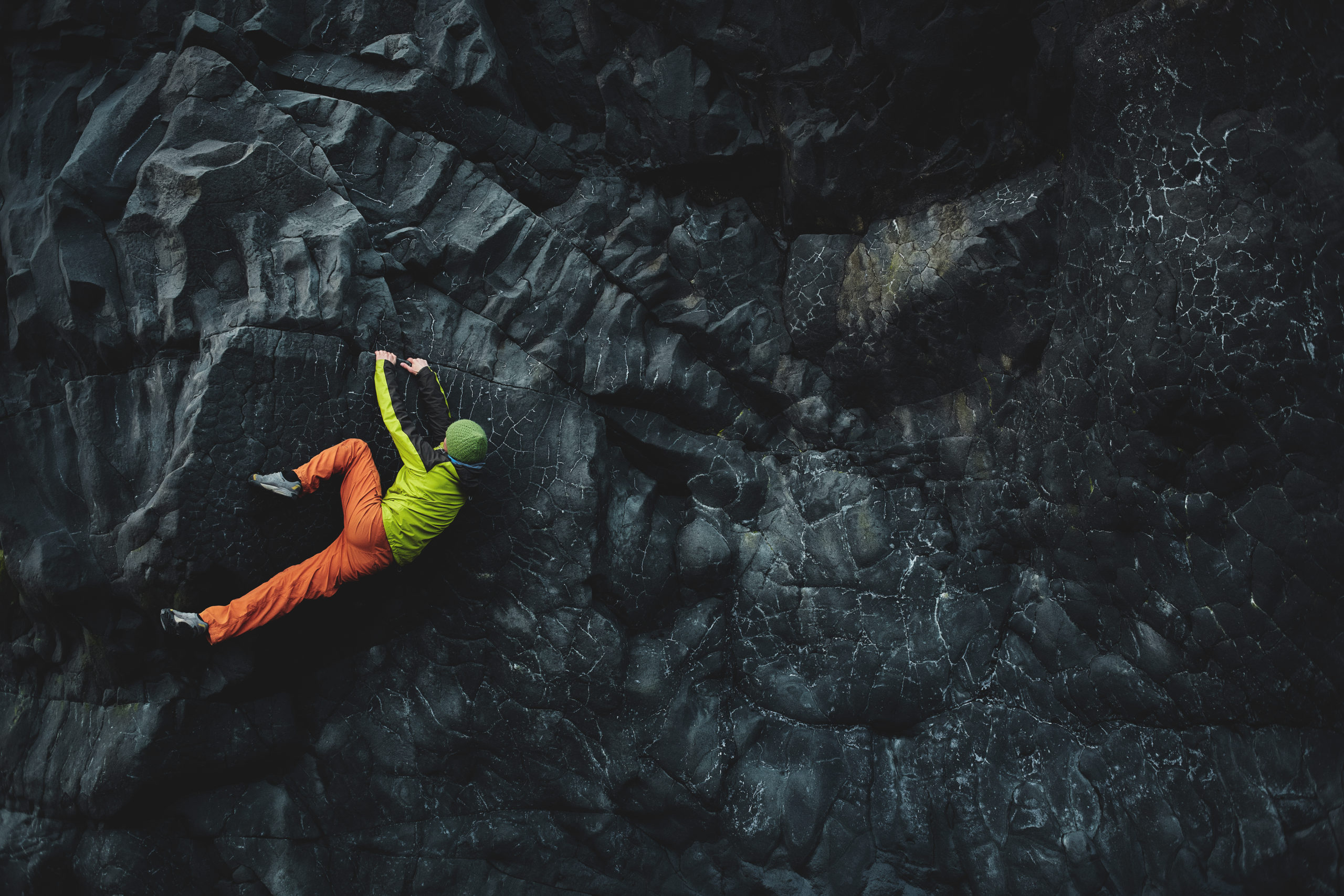
Late fall and winter climbing is a bit of a love-hate thing. We love it because the rock feels perfect and the crag is basically empty. We hate it because it’s cold, and it’s hard to keep blood moving to your fingers and toes while you climb. If you want to stay warm climbing in winter and actually enjoy a full day out, it comes down to what you wear while you’re climbing and what you throw on while you’re belaying. Let’s walk through both so you get the best session possible.
If you take one thing from this article, it’s this: bring extra layers for belaying that you can pull on and off between burns. That way you can rewarm yourself while you aren’t on the wall, and you’ll get a much longer climbing session out of the day. It’s worth thinking about layers the same way you’d plan the rest of your climbing day trip, so nothing gets left in the car.
Keeping your head warm
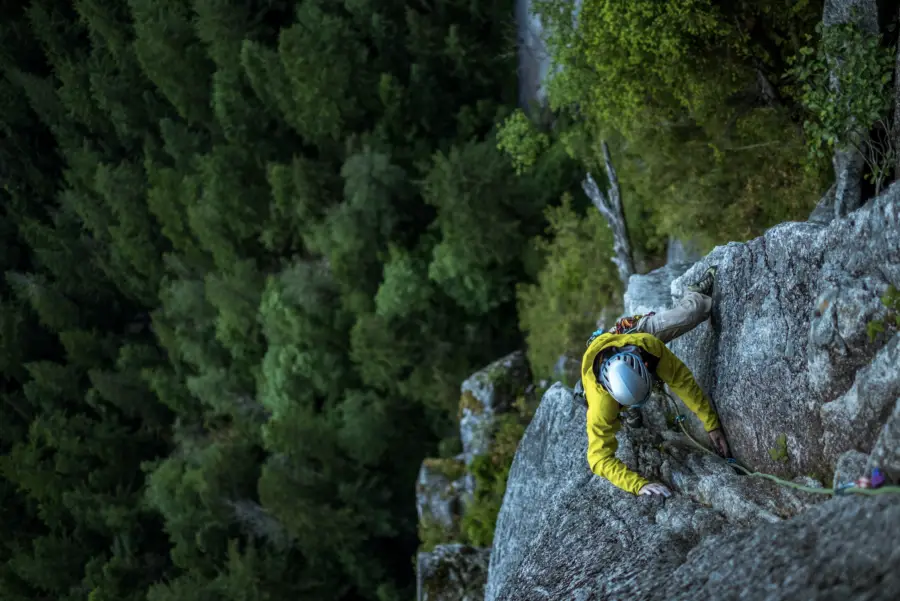
One of the most important things to keep warm while climbing in the fall and winter is your head, since you lose a lot of body heat through it. Because of that, it’s smart to keep the following on you while you’re at the crag:
- Warm hat: A hat is an easy way to keep your head warm. Just make sure it fits under your helmet, which is pretty easy as long as it doesn’t have a big pom on top.
- Ear muffs: A lot of climbers like earmuffs to keep their ears warm. Again, they need to fit under your helmet. Whatever you use, make sure you can still hear your belayer clearly. If earmuffs are covering your ears, go for a lightweight pair or something built to let sound through.
- Scarf or buff: In some parts of the world a scarf is an obvious way to stay warm. In others, especially the mid-western United States, scarves are more of a fashion thing and aren’t actually built to keep you warm.
If you’re thinking about a scarf, which I do recommend, get something made to keep you warm rather than something made to look good. Honestly, a buff is usually the move. It keeps you warm and stays out of your way while you climb.
The last thing you want is a loose scarf catching on an edge and pulling on your neck while you’re moving. A buff won’t do that.
Keeping your body warm
Working our way down from the head, the next thing to think about is your core. This is the part climbers struggle with most, because a lot of warm clothing limits how much your shoulders can move. To stay warm climbing in the cold fall or winter without wrecking your mobility, look at the following:
- Long-sleeve base layer: A long-sleeve base layer is a great way to stay warm and still have the versatility to strip other layers off when you heat up. It also cuts the wind, which you’ll almost always get on the side of a cliff.
- Vest: Climbers love vests because they keep your core warm while leaving your shoulders free. That’s why a lot of us keep a vest on even while climbing. Some vests even have electric heating to keep you warmer while you climb or belay.
- Jacket: Most climbers don’t leave a jacket on while they’re actively climbing, but it’s great for staying warm while you belay or switch from watching to climbing. It’s probably the easiest and most effective way to warm your body back up, especially if it’s a heated one. If you climb with a partner, it’s worth sorting your belay layers alongside your belay basics so you’re not fumbling cold at the anchor.
Keeping your hands warm
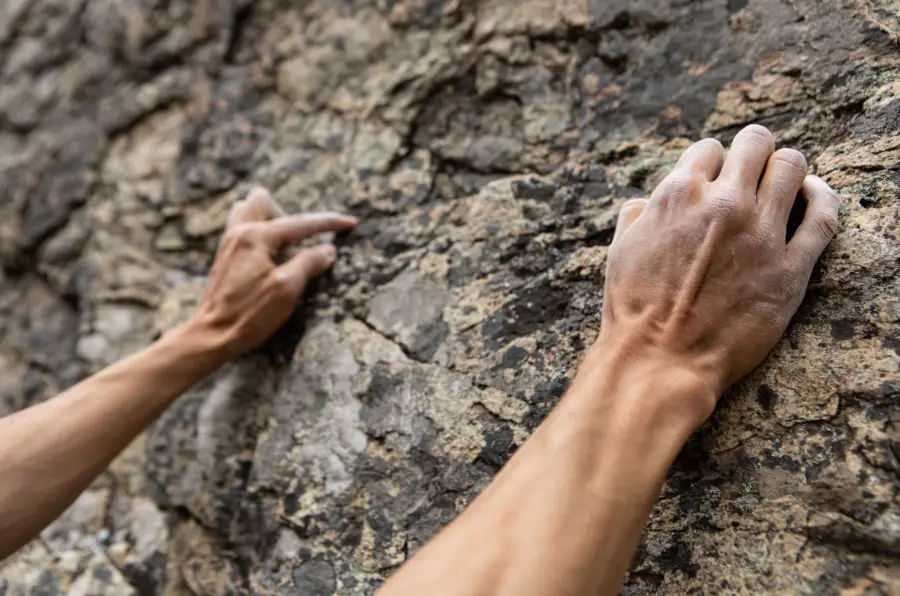
Your hands are your most important tool, and probably the hardest thing to keep warm. Climbers need warm hands to climb well. Warm hands mean good blood flow, and good blood flow means you can grip the smallest holds.
- Gloves: Climbers don’t usually climb in gloves, but they’re a great way to stay warm while you belay. They’re also ideal for the hike in and for waiting around between climbing and belaying.
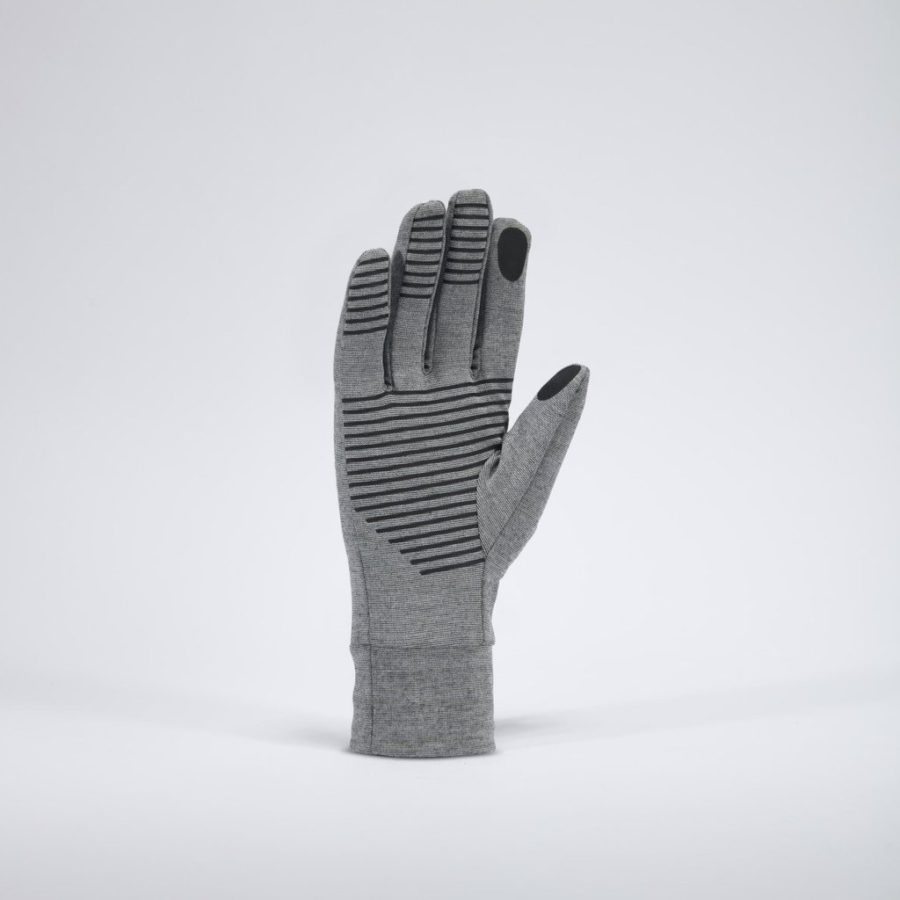
These gloves from Gordini are perfect for keeping your hands warm. The Lodge model is a heavyweight weathered-knit glove that pulls double duty as a liner and as a stand-alone glove. Plus, it has a printed silicone palm for grip, and the thumb and index finger are ready for texting.
- Heat packs: Heat packs are a climber’s secret to winter sends. You can drop them in your pockets, and you can also tuck one in your chalk bag so your hands get reheated every time you chalk up. If you’re rethinking how you manage chalk in the cold, it’s worth knowing whether you even need chalk for the day you have planned.
Keeping your legs warm
Climbers’ legs tend to get neglected when we think about what to wear, probably because we look down and jump straight to our feet. Don’t skip these, though. They can be the difference between regulating your body heat and bleeding it out through your thighs and calves. If you want a fuller rundown of cold-weather layers, our guide on what to wear climbing covers a lot of the same ground.
- Leggings: For everyone, leggings are a great base layer for your legs and keep heat from leaving through your thighs or calves. Some are even built with extra insulation, which is perfect for the really frigid days.
- Climbing pants: Climbing pants are a solid barrier between the cold and your legs, especially over a pair of leggings. They’re also cut so you can keep full range of motion through your hips and legs.
- Wind and water repellent shell: One thing that’ll make your legs cold fast is getting wet. Ice climbing, for example, puts you in a lot of contact with water. Wind and water repellent pants keep you dry and keep the cold out. Just make sure you still have full range in your legs and hips.
Keeping your feet warm to stay warm climbing all winter
Besides your head, your feet are the most common place for body heat to escape. So give your toes some extra thought. Numb toes keep you from feeling the rock and from trusting your weight on your feet, and standing on your feet is the most important skill in climbing.
- Socks: Most climbers don’t wear socks in their climbing shoes, so those shoes are usually too tight to add a warm pair. If you can swing it, get a pair of climbing shoes sized to fit socks in the winter months, basically your winter-season shoes. If a second pair isn’t in the budget, a thin nylon sock helps a little and it’s better than nothing.
- Winter boots: While you aren’t climbing, throw on winter boots to keep your feet warm. There’s often enough room in them for a foot warmer too, which brings more heat into your body and keeps your toes from going numb.
Bring layers and something to cover everything above, and you’ll stay warm while you’re climbing and belaying. Whatever you do, just try to stay dry. That’ll help more than anything.
If you want more short, practical stuff like this, we send one climbing drill a week that takes about 15 minutes. It’s free, and you can grab the weekly drills here to keep your movement sharp through the off-season.
Frequently asked questions
What should I wear to stay warm climbing in winter?
Layer up so you can adjust as you heat up and cool down. Start with a long-sleeve base layer, add a vest or jacket for belaying, cover your head with a hat or buff that fits under your helmet, and keep your legs warm with leggings under climbing pants. Bring gloves and winter boots for when you aren’t on the wall.
How do I keep my hands warm for climbing in the cold?
Wear gloves while you belay, hike in, and wait between burns, then take them off to climb. Heat packs are the big one. Keep them in your pockets and tuck one in your chalk bag so your hands reheat every time you chalk up. Warm hands mean better blood flow and a better grip.
Should I wear socks with climbing shoes in winter?
Most climbers go sockless, so their shoes are too tight for a warm pair. If you can, get a slightly roomier winter pair sized to fit socks. If not, a thin nylon sock adds a little warmth and is better than nothing.
Why do my feet and hands go numb while climbing in the cold?
Your head and feet lose the most body heat, and cold fingers and toes lose blood flow fast. That’s why you can’t feel the rock or trust your feet. Keep your core and head warm, use heat packs and warm boots between climbs, and stay dry so you don’t lose heat unnecessarily.
What’s the one thing that matters most for a cold-weather session?
Bring extra layers you can pull on and off for belaying. Rewarming yourself between burns is what lets you climb longer. After that, staying dry is the next biggest thing.