
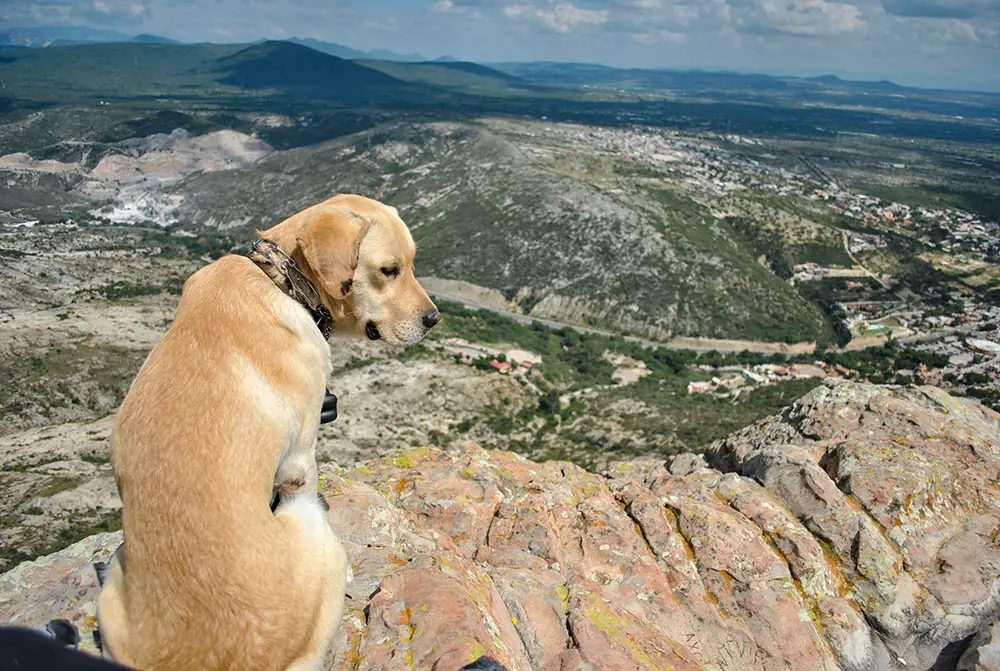
If you have a dog and you love being outside with them, at some point you’ll wonder whether you should bring your dog to the crag. I’ve got the cutest Red Heeler and Australian Shepherd mix, and we hike and do a ton of stuff together, but I wasn’t sure a day on the rock was a good idea for her. So I did some digging and figured out what actually makes it work.
Here’s the short version. You can bring your dog to the crag if they’ll stay with you no matter what’s going on around them. Some climbers use a leash or a chain so their dog doesn’t take off after wildlife. In a lot of cases though, it’s better to leave your dog at home while you climb. If you still want to bring them along, weigh things like the weather, the exposure, and the injury risk from a falling rock or from you coming off the wall onto them before you load up the car.
Before you decide, here are a few things that’ll tell you whether your dog would make a good climbing buddy, plus what you can do to keep them safe while you’re on the rock.
Consider your dog’s temperament
Your dog’s temperament toward people matters, and so does their temperament toward other dogs and wildlife. Odds are your dog will see or hear another animal at some point, and how they react to it tells you a lot about whether they’re a good dog to bring climbing.
- If your dog tends to chase wildlife, leave your dog at home.
- If your dog barks at other people for hours at a time, leave your dog at home.
- If your dog chases butterflies, leave your dog at home.
None of this means your dog is bad. It just means the crag isn’t the right place for them, and that’s ok.
Check the weather
You probably check the weather before heading to your favorite climbing spot anyway. It matters even more when a dog is coming along. Plenty of dogs are fine in the sun, but if it’s really hot you’ll want a way to shade them. Not every crag has trees to sit under, so checking the forecast ahead of time tells you whether to pack an umbrella or some kind of shelter that throws shade. A day-trip packing list like what to bring on your next climbing day trip is a good starting point, and you just add the dog gear on top.
If there’s lightning or rain in the forecast, think about skipping the crag and hitting the climbing gym instead. That way everybody stays safe, dog included.
What does the approach look like?
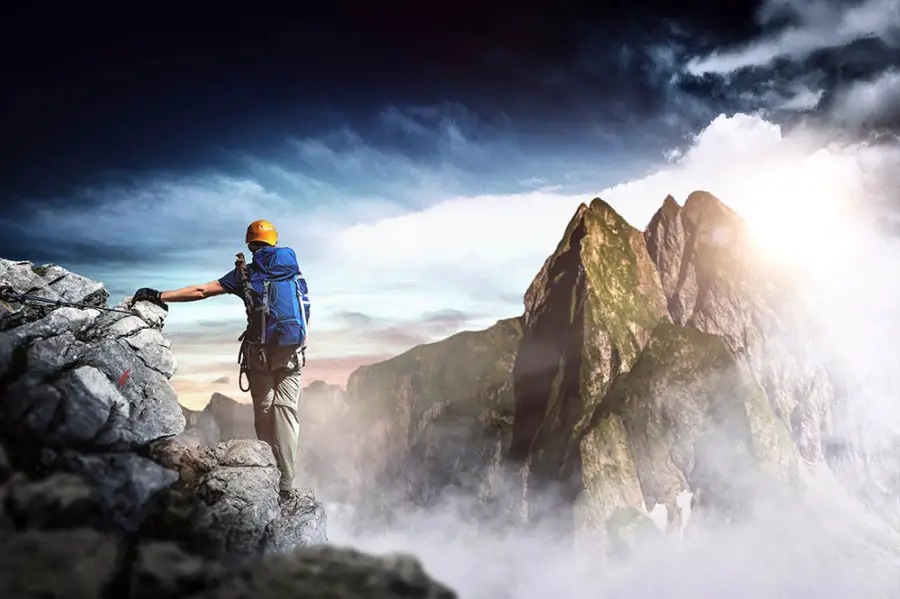
Some crags aren’t in a convenient spot, and you might be scrambling up loose rock or traversing across some sketchy ground to get there. If you need your hands for the approach, it’s tough to help your dog through that same section.
Some owners bring a harness or a sling so they can carry their dog through those spots. That can be a great fix, but make sure your dog is used to it before you’re in a tricky spot where them squirming or darting between your legs turns dangerous.
On top of that, a lot of crags that need scrambling to reach have very little space for the climber and belayer. Your dog may not have anywhere to sit, stand, or lie down while you climb without getting underfoot.
If the approach involves scrambling, it’s probably better to leave your dog at home.
Have an extra person to watch your dog
Whether you’re rope climbing and need someone to belay you, or bouldering with a friend to spot you, it’s ideal to have at least one other person whose whole job is watching the dog. That way your dog is looked after while you climb or belay, and that person can keep them occupied while you’re on the wall. If you’re still shaky on belay duties yourself, belaying 101 is worth a read before you add a dog to the mix.
Make sure that person knows the gig is watching the dog before they meet you at the crag, so nobody’s surprised. One way to handle it is a rotation: one person climbs, then belays or spots, then watches the dog, then climbs again, and around you go.
Keep them on leash
Your dog might be super obedient and usually stick right by you out on the trail. The crag has a lot of distractions though, like other people, wildlife, and bugs. Keeping them on a leash keeps them safe. Chasing wildlife can be dangerous, especially if your dog is smaller than what they’re going after, and a leash keeps them from wandering into holes or traps too.
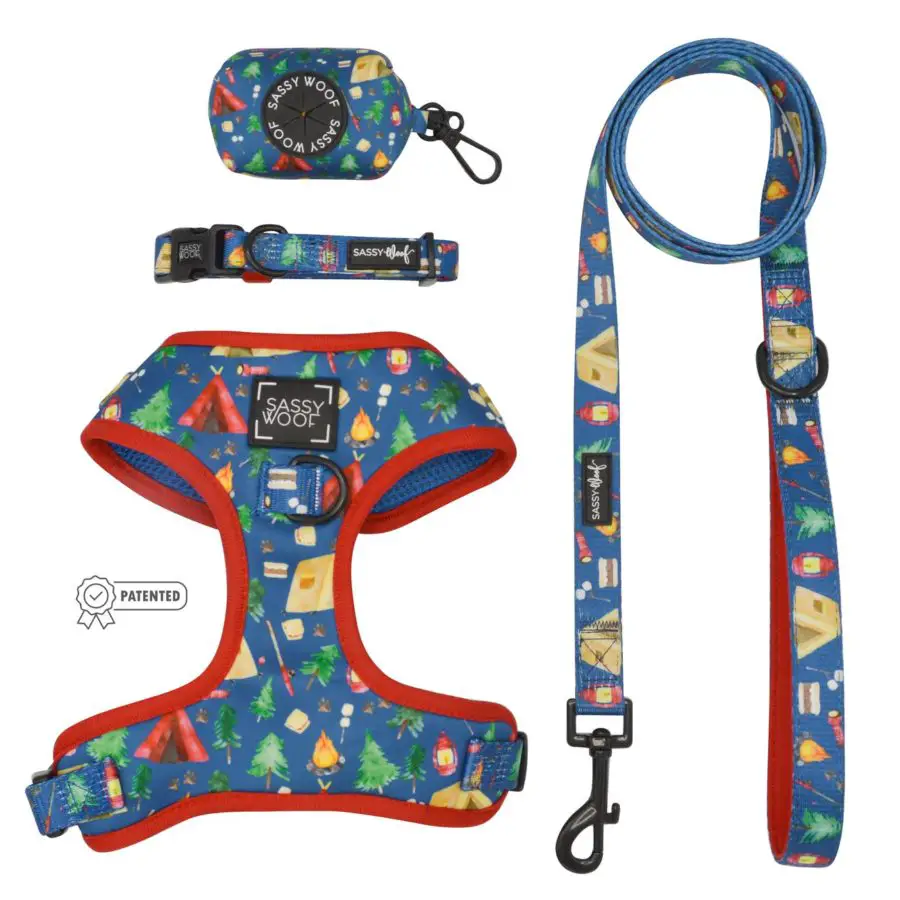
If you’re after a cute leash for when you’re out and about, especially camping, check out this Sassy Woof Scout Set.
I got the leash for our dog Scout. It’s super fun, and the handle has extra padding for a premium feel. The poop bag holder clips right below the leash handle too, which is soooo convenient.
We use this leash out climbing and camping, and on our daily walks, and she absolutely loves it.
Bring extra water
One of the worst things you can do at the crag is forget water and a dish for your dog to drink from. It happens more than you’d think when climbers are rushing to pack for a day trip.
There are water bottle add-ons that connect straight to a bowl your dog drinks from. Those are perfect for hiking and backpacking where you’re always moving, but at the crag a plain dish is more convenient. You can fill it and leave it next to your dog so they drink whenever they want without you holding the bottle.
If you want something easy to carry, grab a collapsible bowl. A lot of them have a spot for a carabiner so you can clip the collapsed bowl to the outside of your pack.
Pack out their poop
One of the worst things to find at the crag is dog poop caked to the bottom of your hiking shoes, and hopefully not your climbing shoes. To keep the crag clean and enjoyable for everyone, pack out their poop.
That means bringing poop bags and a way to carry them off the mountain. A lot of people bring an extra quart-size bag to hold the poop bags. There are also fanny packs made to hold poop bags, complete with trash bag liners for easy cleaning.
Even if you didn’t catch your dog going while you were climbing, take a minute at the end of your session to look for poop and bring it back to the car with you. Good crag etiquette is a big part of keeping outdoor spots open, and it goes right alongside the rest of your crag day routine.
If you like plain, practical climbing tips like these landing in your inbox, come join the free Send Edition newsletter. It’s one short climbing drill a week, about 15 minutes, so you keep getting better without overhauling your whole life.
Frequently asked questions
Should you bring your dog to the crag?
You can bring your dog to the crag if they’ll stay with you through any distraction and you can keep them safe, shaded, watered, and out of the fall zone. If your dog chases wildlife, barks nonstop, or the approach needs scrambling, it’s better to leave them home.
Do you have to keep your dog on a leash at the crag?
Keeping your dog on a leash is the safest call. The crag is full of distractions like other people, wildlife, and bugs, and a leash keeps your dog from chasing something dangerous or wandering into a hole or trap.
What should you pack for a dog at the crag?
Bring extra water and a bowl (a collapsible one clips right to your pack), a leash, shade if the crag has no trees, and poop bags plus a way to carry them out. If the approach is rough, a dog harness or sling helps too.
When should you leave your dog at home instead?
Leave your dog home when it’s very hot with no shade, when there’s rain or lightning in the forecast, when the approach means scrambling with your hands, or when nobody can watch the dog while you climb and belay.