
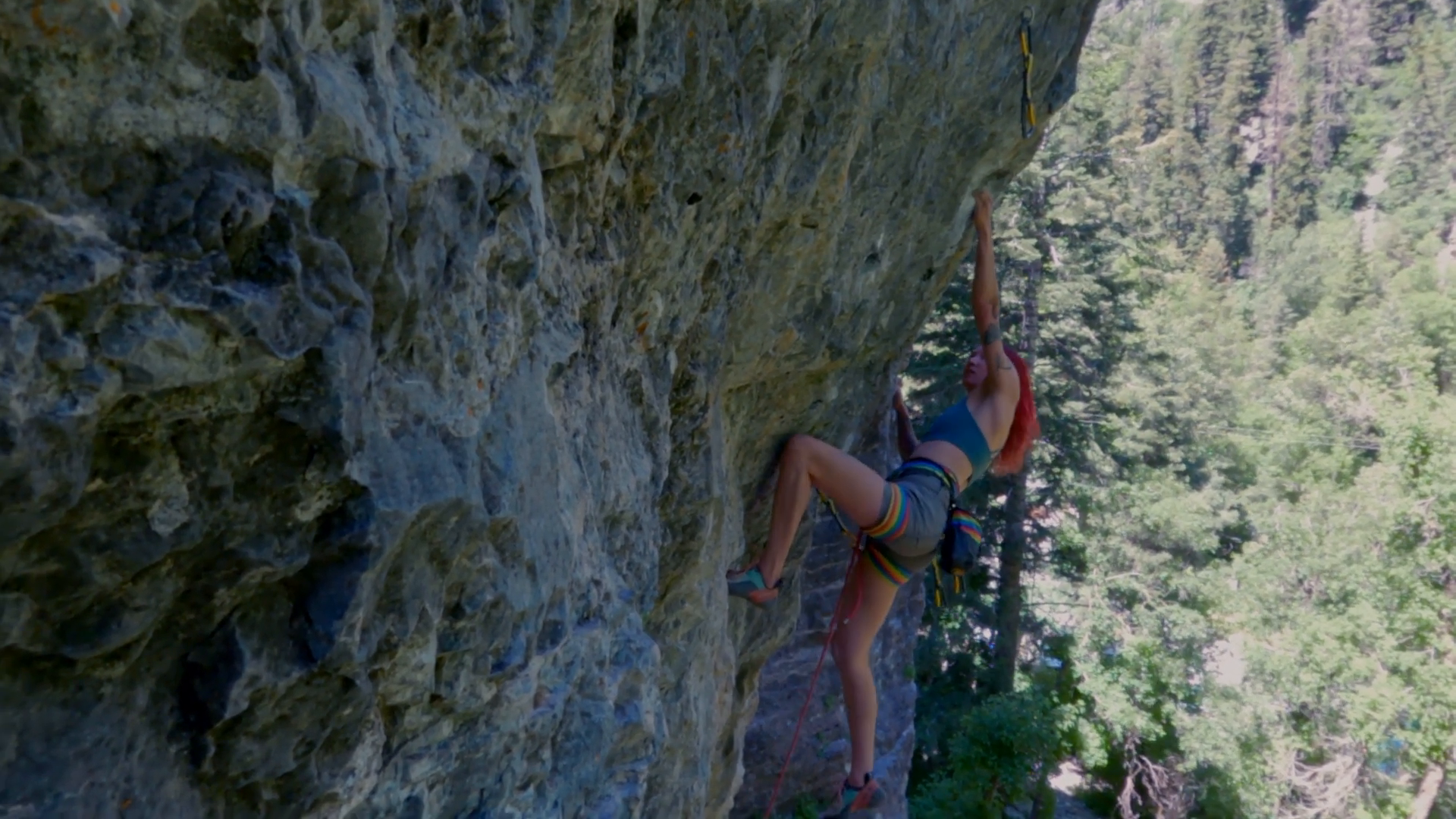
Ever watched someone flow up a wall of tiny crimps and shallow pockets and wondered what they actually do to get that strong? Professional climber Tash breaks it down. Her whole approach to training for crimps and pockets comes down to two things working together, endurance so she can link move after move, and real finger and body strength so those tiny holds don’t spit her off. Here’s how she puts it all together, both on the wall and off it.
👩🦰 Meet Tash
Tash made a big call a while back. She left her dental assistant studies behind and went all in on climbing full time. These days she’s a sponsored, professional climber, and she spends a lot of her time on outdoor projects loaded with small crimps and pockets on steep overhangs. Every route is another rep at pushing her limits, and that love of hard climbing is what got her sponsored in the first place.
💪 Why Endurance Matters
Endurance matters for everyone, whether you’re on ropes or boulders. Tash leans on it hard so she can fire off a string of moves without stopping to shake out. If you gas early, you’re done, no matter how strong your fingers are. Building stamina keeps you from burning out mid route, and it’s a big part of climbing better over time. If you want to go deeper on this, we broke down climbing endurance and how muscle, skin, and mind all feed into it.
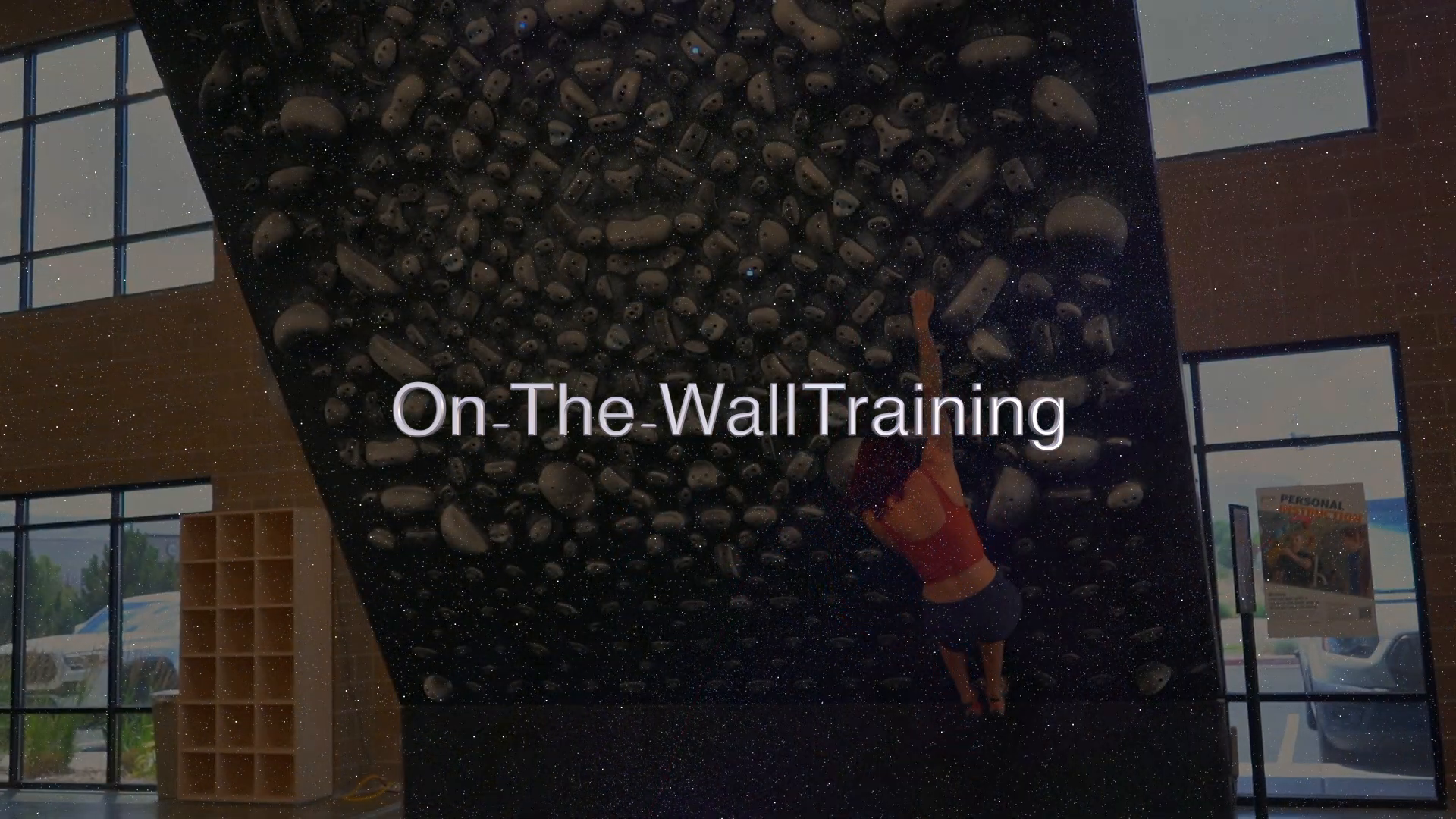
🏋️♀️ Endurance Workout: Six in Six
One of Tash’s favorite endurance drills is called Six in Six. It’s simple, and it works for pretty much any level. You climb one boulder problem every minute, on the minute, for six minutes straight.
How to Do It
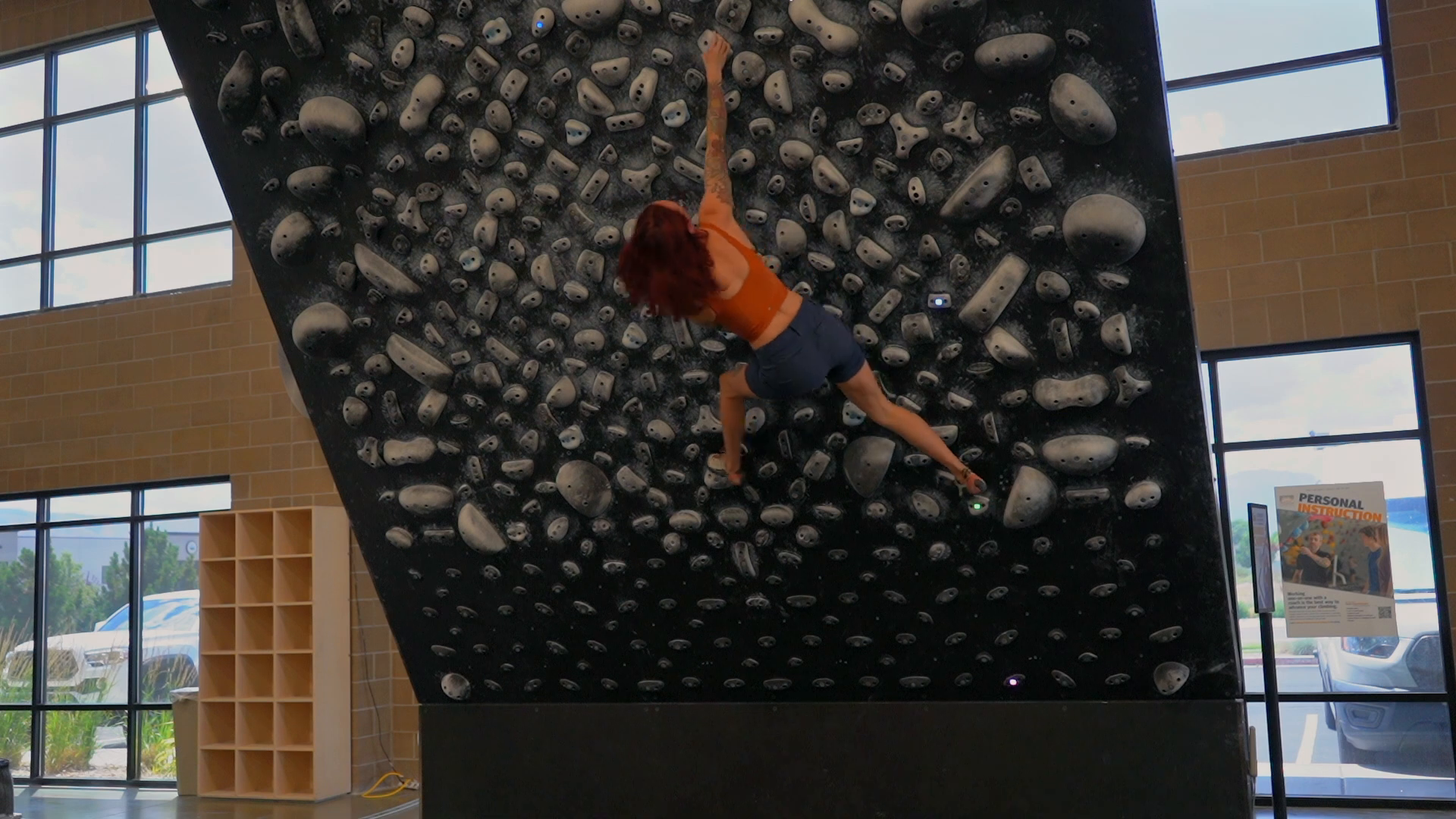
You can run this on any board, though a mirrored board like a Grasshopper is handy because you can flip the problem for a fresh challenge. No board? No problem. Just pick any route in the gym.
- Climb one boulder problem per minute.
- Your rest is whatever time is left in that minute.
- Pick routes that actually push your limits.
🏋️♂️ Adjusting for Your Gym
Not every gym has fancy boards, and that’s fine. Tash is clear that Six in Six adapts to whatever you’ve got. Keep the structure and use what’s in front of you.
Alternative Approaches
No board means you repeat the same route or grab a different problem that still tests your endurance. The point is to keep the intensity up so you still get the benefit.
- Use any climbing routes you’ve got.
- Keep it to one route per minute.
- Throw in unfamiliar problems to keep it honest.
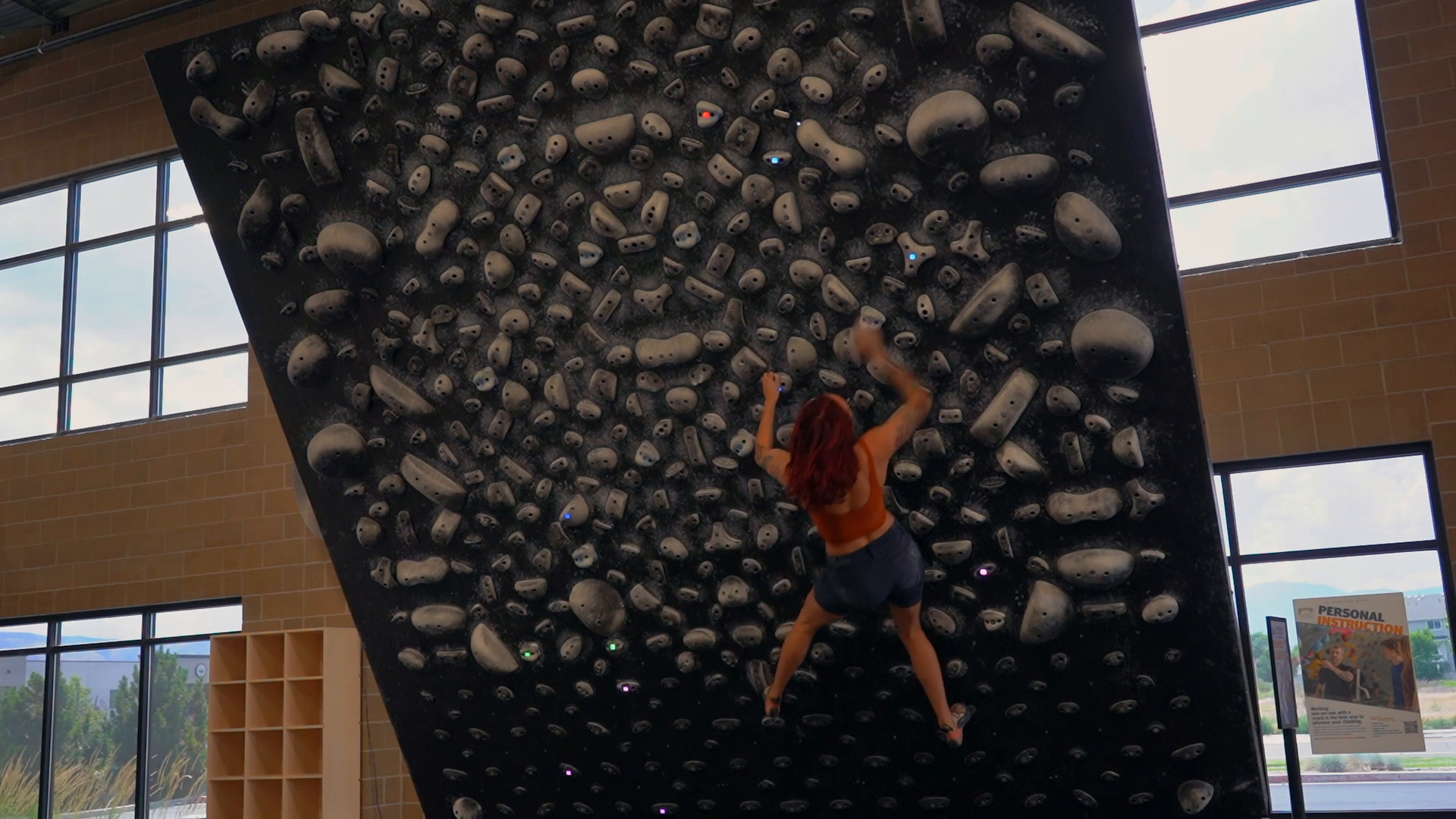
🏋️ Off the Wall Training Routine
Tash’s off the wall work is five exercises that back up everything she does on the wall. It’s built around strength, which is what carries you through hard climbs.
Exercises Overview
A few of her go to moves:
- Hangboarding
- High pull-ups
- Squat jumps
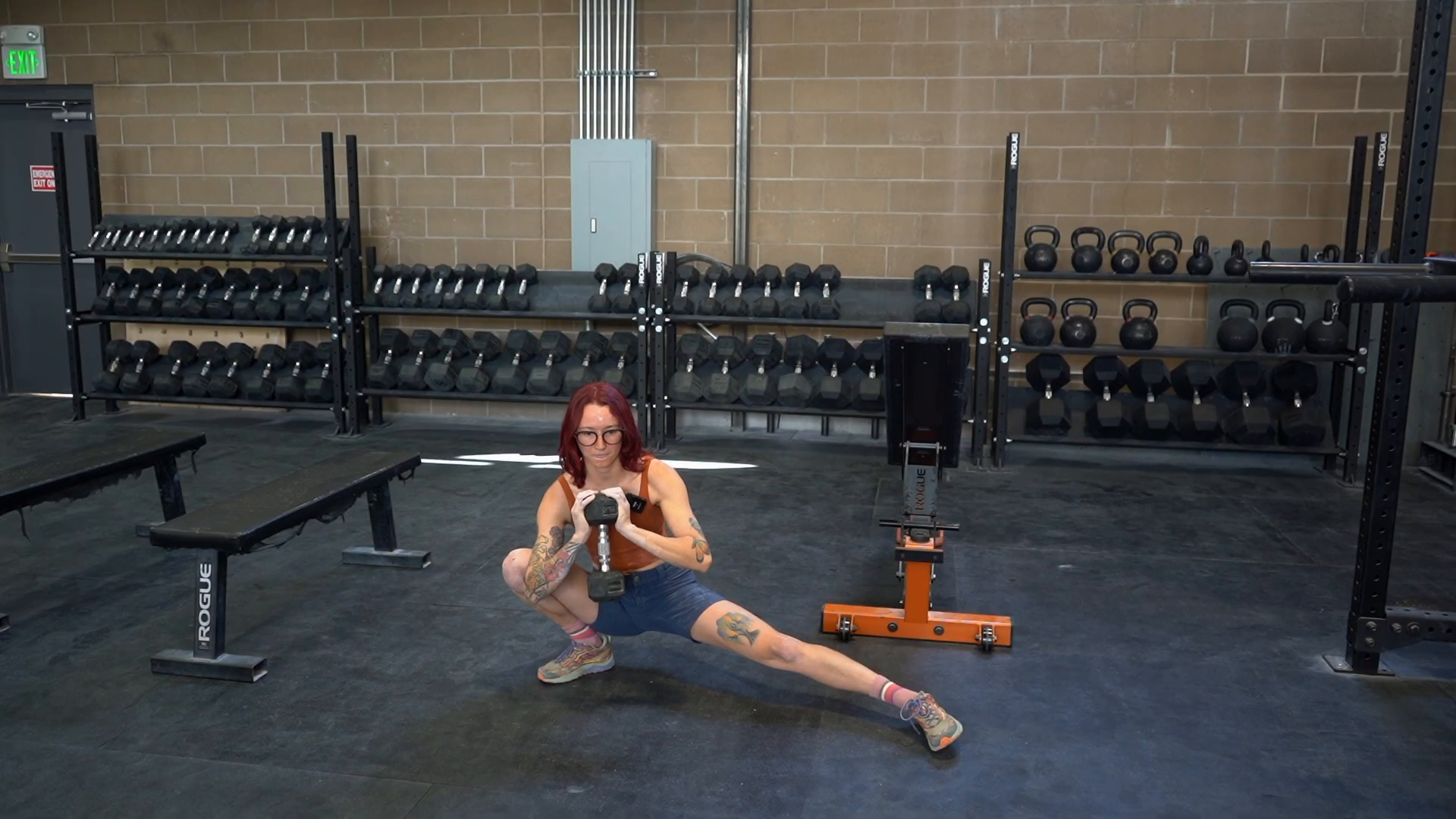
- Sliding lunges
- Knee tucks
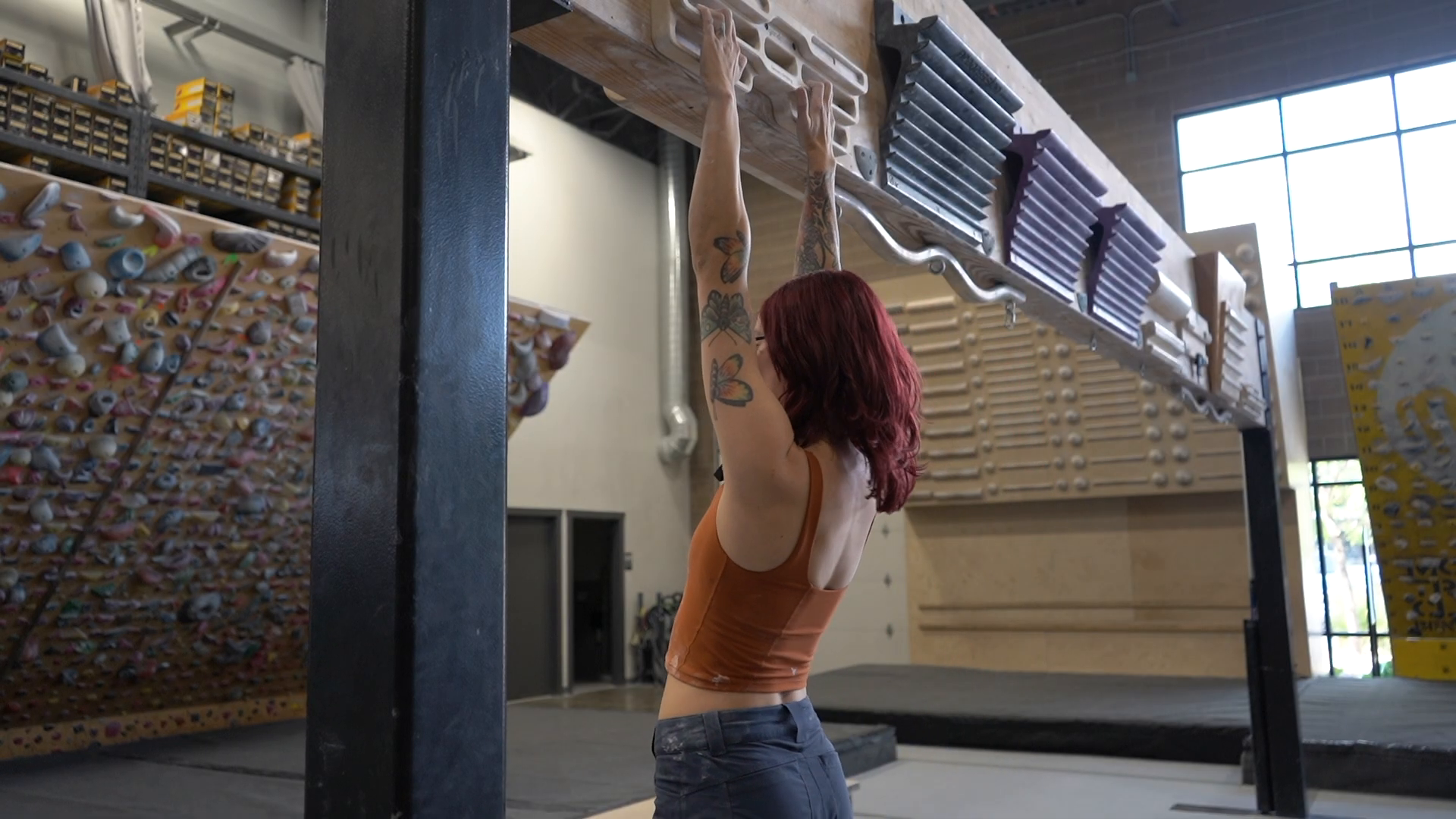
🧗 Hangboarding: Training for Crimps and Pockets
When it comes to training for crimps and pockets, hangboarding is where the finger strength gets built. Tash goes for longer hangs, around twenty seconds, with a forty second rest, so she’s training endurance in her fingers and not just a one off max grip. Those little holds never really get easier, you just get stronger for them.
Fingers are also where climbers get hurt fastest, so ease in and warm up properly before you load up hard. If you’d rather follow a structured finger plan that scales as you go instead of freestyling it, the Grip & Grind app is built for exactly that kind of guided crimp and pocket work. It’s also worth reading up on what causes tendon injuries so you can train hard without tweaking a pulley.
Form Matters
Good form is everything here. If you’re newer, keep your feet on the ground to take some weight off while you still get the training in. Ego hanging on a fingerboard is how fingers get tweaked.
💥 Power Building with High Pull Ups
High pull-ups are a big power builder. Tash drives through them with momentum for explosive pulls, and over time she drops the bands and moves to harder reps.
Explosive Movement
She pairs these with squat jumps to build all round explosiveness, which is what you want when a crux move needs you to move fast and commit.
💥 Explosive Movements: Squat Jumps
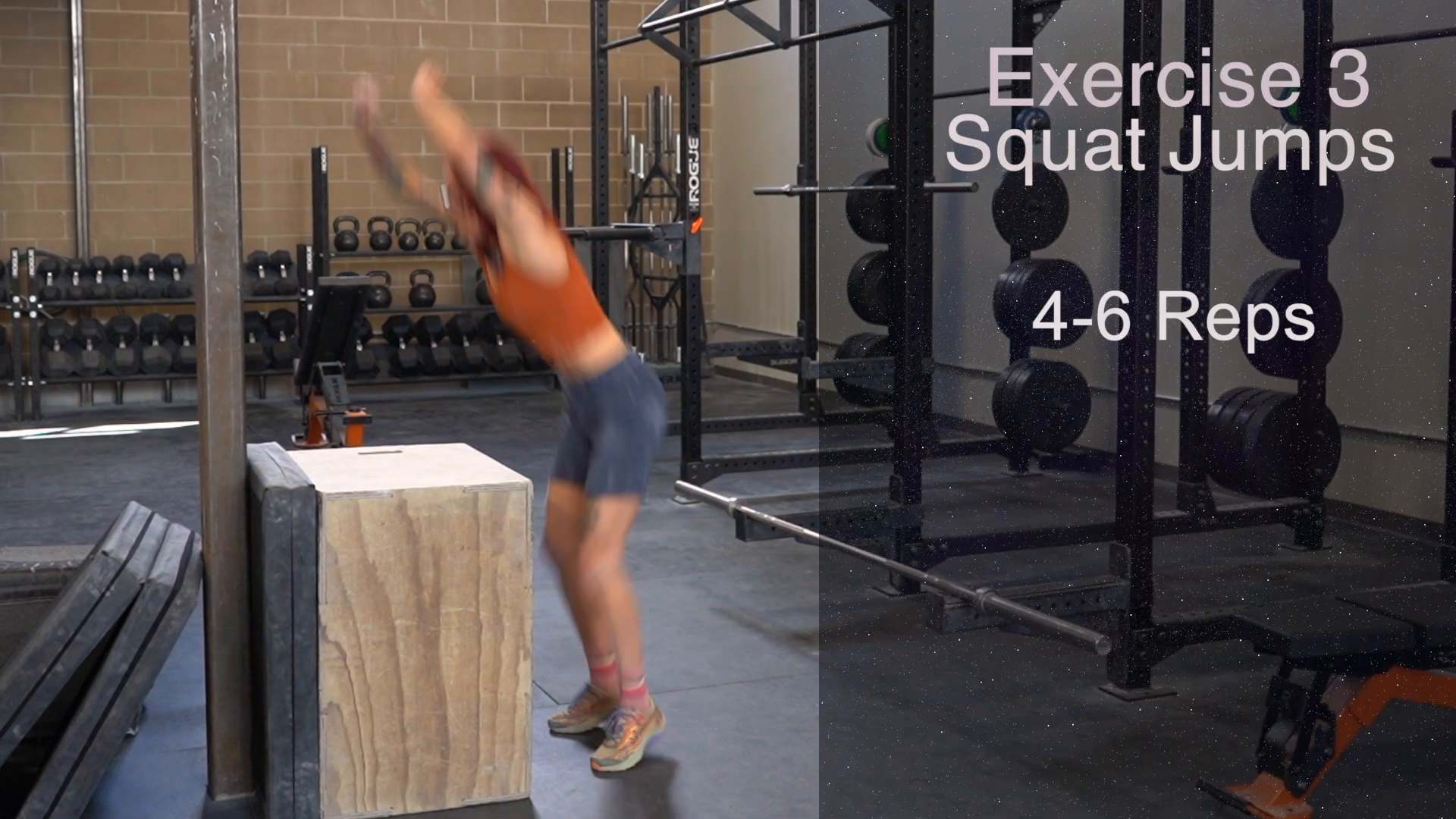
Squat jumps build the explosive leg drive that climbing quietly runs on. Tash starts from a deep squat so the movement matches how you actually load your legs on the wall.
How to Perform Squat Jumps
Drop until your bum’s near your ankles, then explode up onto a box or platform. It fires your core and legs and trains real power.
- Start from a low squat position.
- Focus on a powerful upward drive.
- Land soft to spare your joints.
🏃 Sliding Lunges and Knee Tucks
Sliding lunges and knee tucks round out Tash’s routine. They build strength and stability across a bunch of muscle groups, so you move better on the wall.
Sliding Lunges
Stay as low as you can and do four per side to get the most out of them.
- Keep a low position the whole way through.
- Focus on balance and control.
Knee Tucks
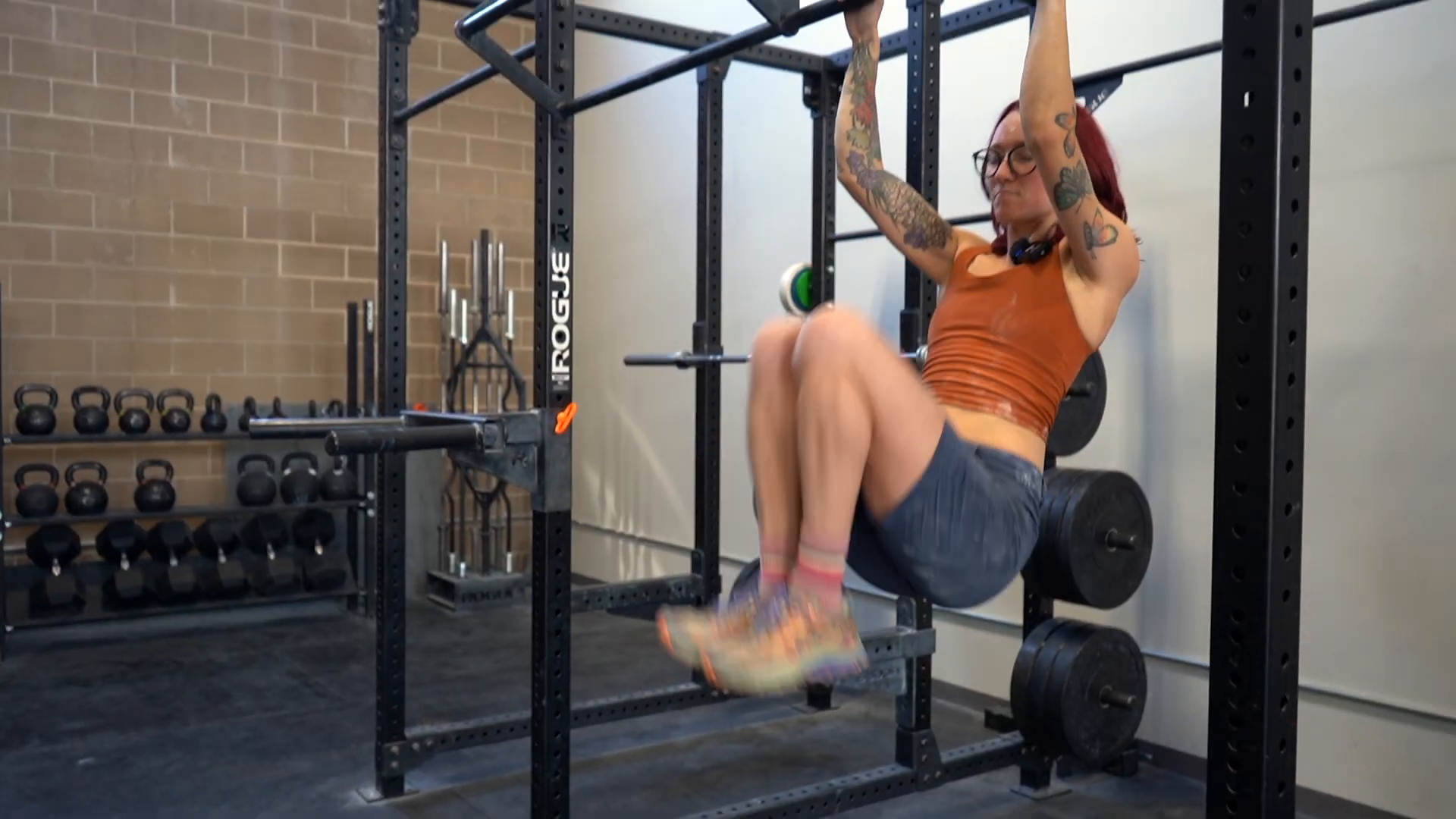
Knee tucks are tough, but they’re great for core strength. Start with straight arms and pull your knees up while keeping everything tight.
- Keep your arms straight and your core switched on.
- Move in control for cleaner form.
Want this kind of climbing know how in small, doable pieces? Our free newsletter sends you one short climbing drill a week, about 15 minutes each, so you can level up your climbing with 15 minutes of training without overhauling your whole week. And if you’re chasing your next grade, these neglected techniques for V4 to V5 progression pair nicely with the strength work above.
Frequently asked questions
How does a pro climber train for crimps and pockets?
They pair endurance work with targeted finger strength. Tash uses drills like Six in Six to build stamina, then hangboards with longer hangs to strengthen the fingers those small holds demand. Off the wall strength work rounds it out.
Is hangboarding safe for beginners?
It can be, as long as you scale it. Keep your feet on the ground to take some weight off, hold good form, and warm up first. Fingers get injured fast, so ease in rather than chasing max hangs on day one.
What is a good endurance workout I can do at any gym?
Six in Six. Climb one boulder problem every minute for six minutes, resting whatever’s left in each minute. You don’t need a special board, just pick routes that push you.
What should I focus on as a beginner climber?
Build a foundation first. Work your footwork and balance, build grip strength slowly through hangboarding, and add endurance drills. Get the basics solid before you chase hard grades.
What are the best strength exercises for climbing?
Hangboarding for grip, pull-ups for upper body, and core moves like knee tucks and planks for stability. Tash also uses squat jumps and sliding lunges for explosive leg power.
