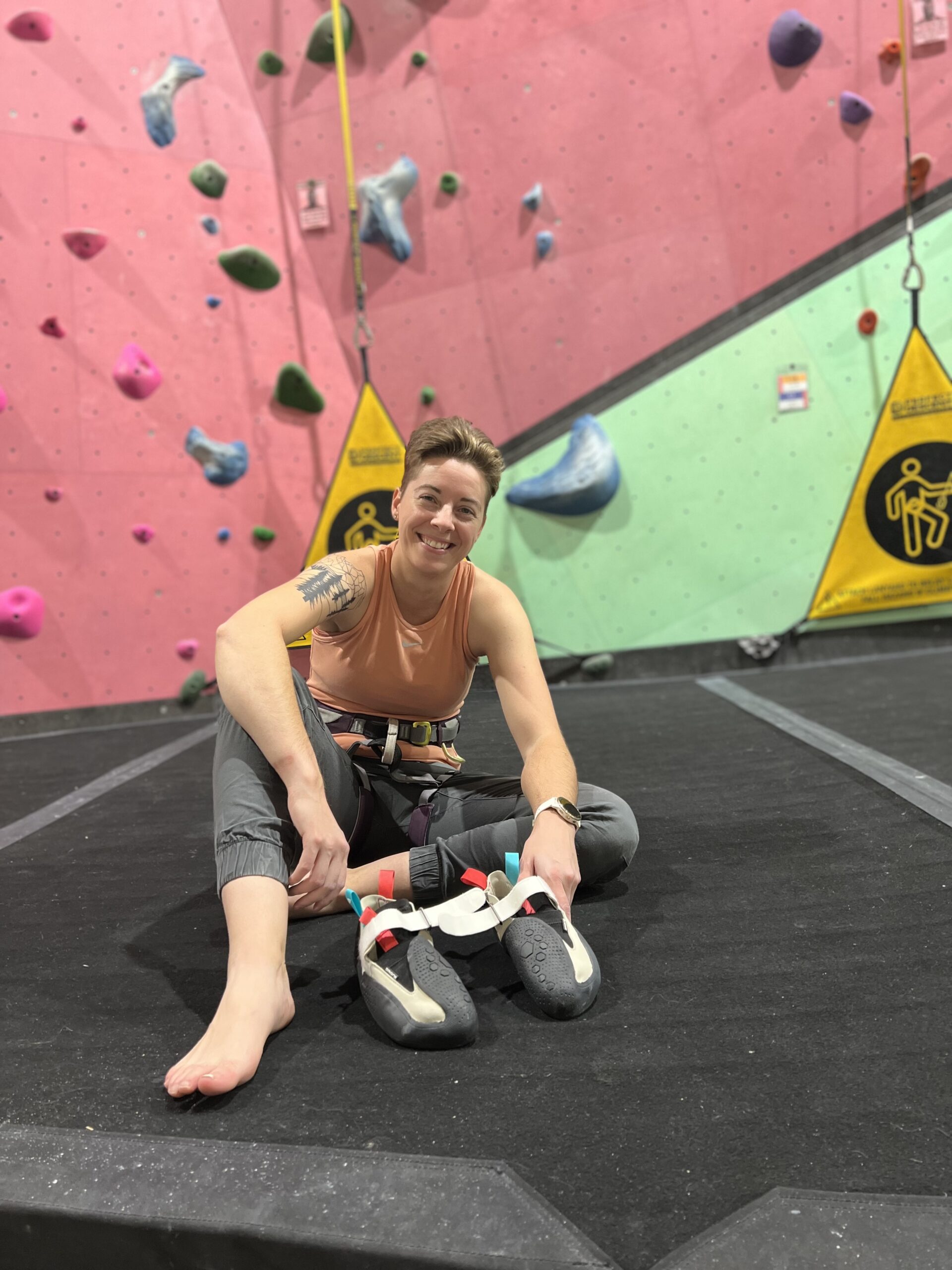
Managing fear while climbing is a huge part of Tash’s success on the wall, and she’s the first to admit it. Tash, better known as Tash of the Wasatch, is a pro climber who spends her days on tiny crimps and pockets, and she’s worked out a mental game that lets her keep moving when things get scary. In this one she breaks down three simple things she does to manage fear and stay focused, and none of them need special gear. If you’ve ever frozen up above a bolt or talked yourself out of a move, her approach is worth a read.
👩🦰 Meet Tash
Tash made a bold call to chase climbing full-time. She left her dental assistant studies behind and threw herself into the climbing world, and now she stands as a professional climber who inspires a lot of people with her story.
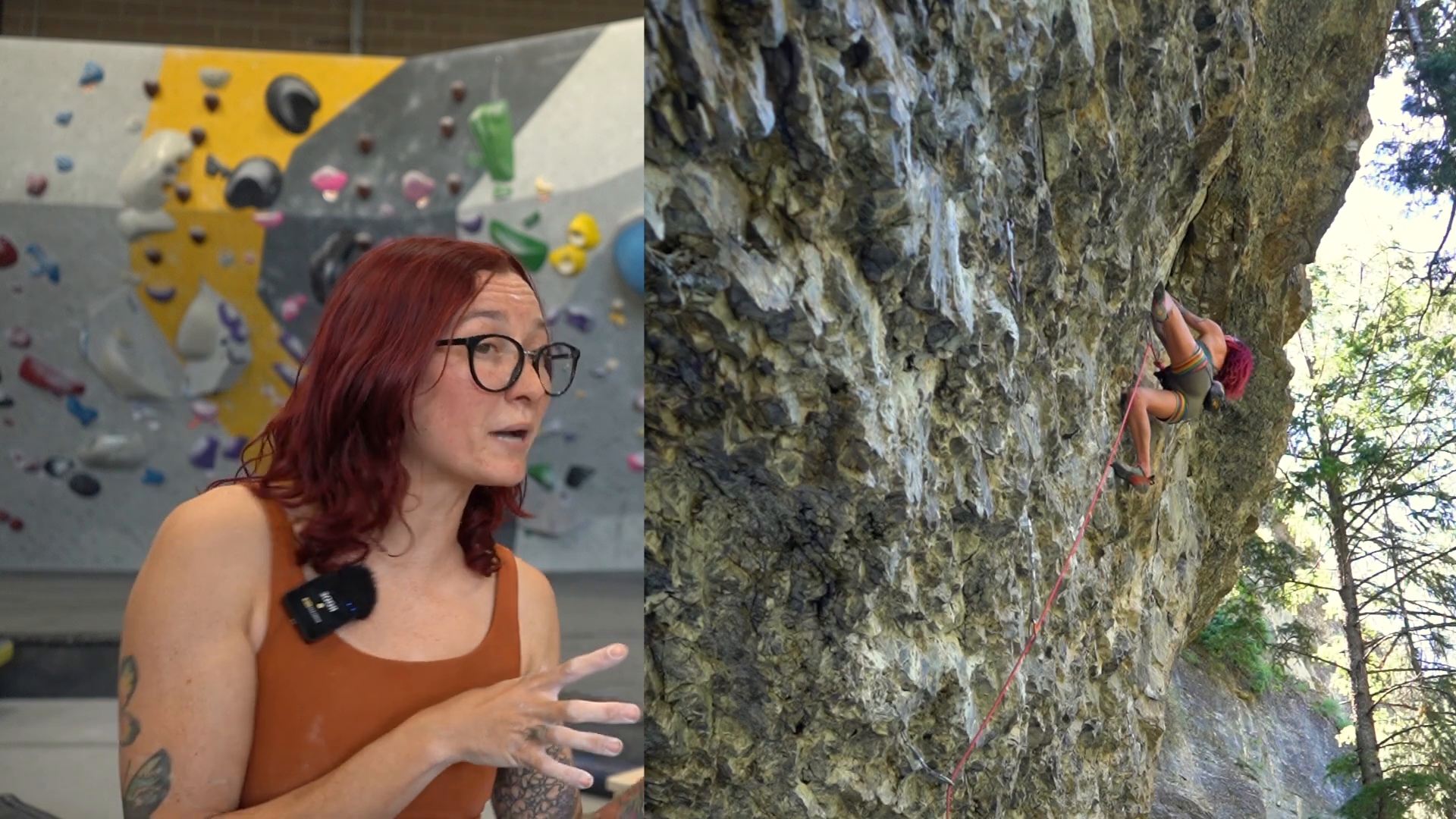
She loves outdoor projects built on small crimps and pockets, usually on steep overhanging rock. Every route sharpens her skills and pushes her limits, and that hunger for hard climbs is what turned her into a sponsored athlete. Fear still shows up though, and that’s exactly why her mental game matters so much.
🧗 Managing Fear While Climbing Starts With the Unknown
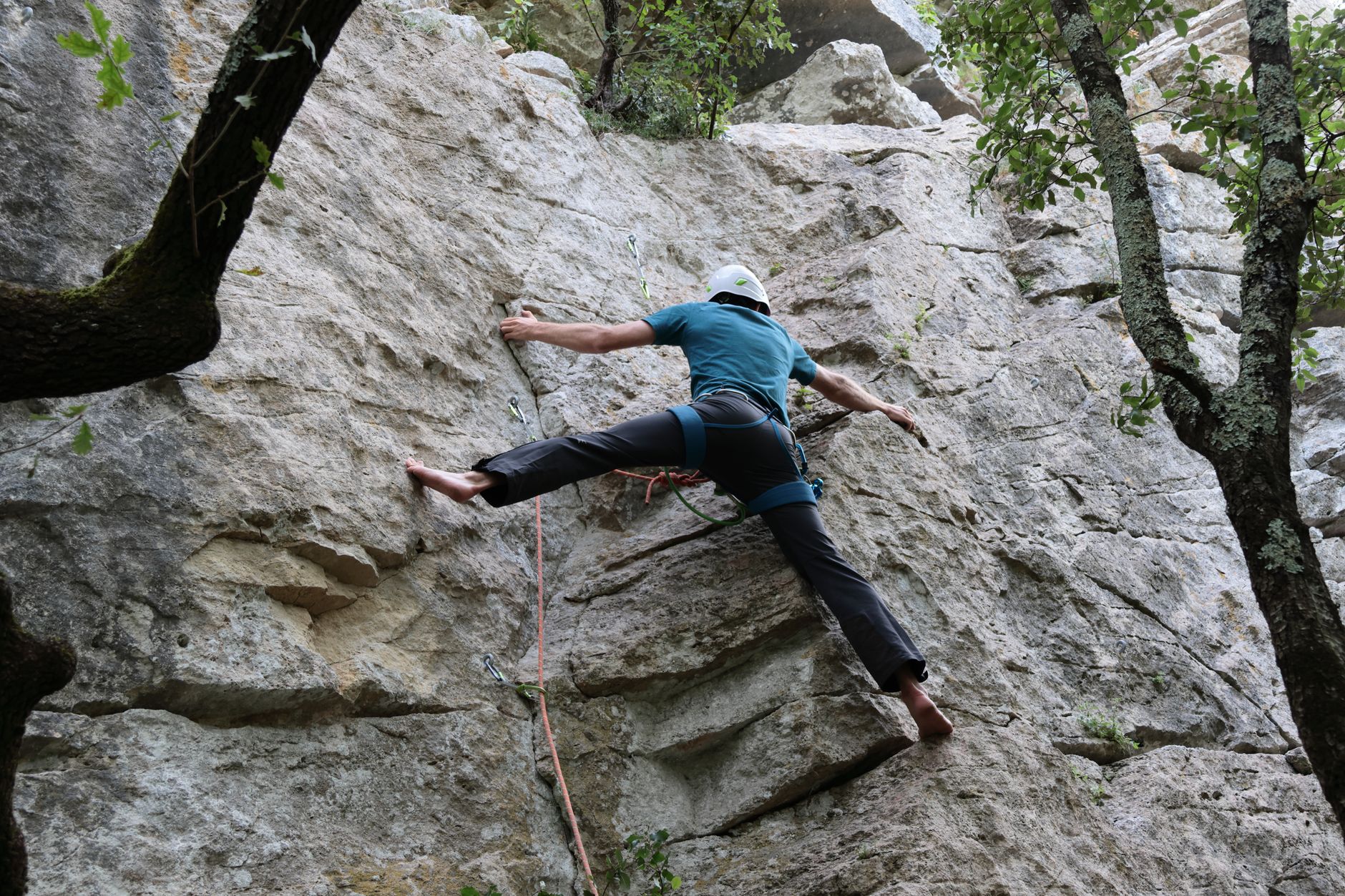
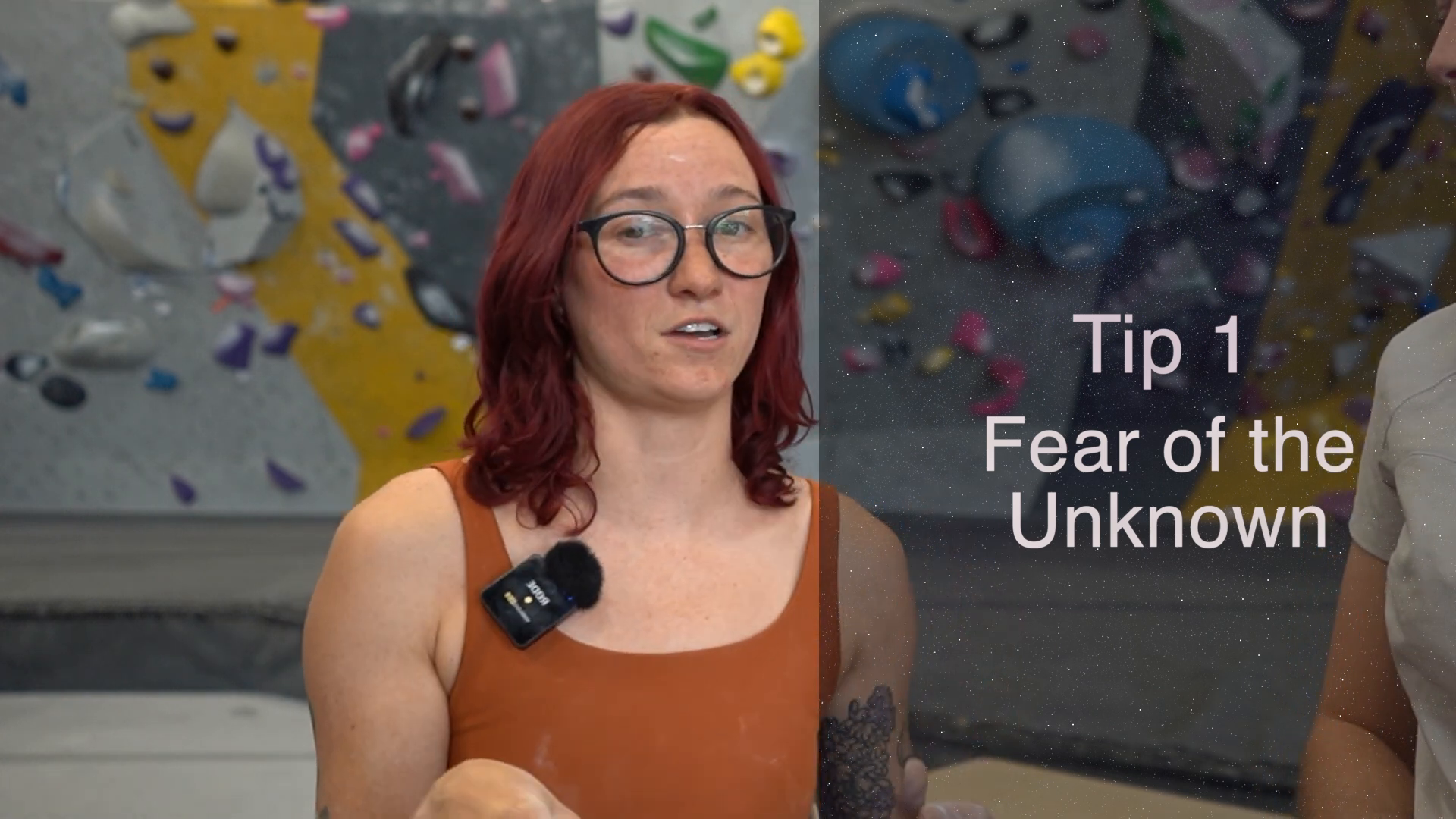
Fear usually comes from the unknown. You’re staring at a section you haven’t touched, you don’t know how the holds feel, and your brain fills in the blanks with worst-case stuff. Tash’s fix is to make the unknown known. She gets comfortable with a new climb before she ever tries it clean, so the moves feel familiar instead of scary.
- Clip in directly to a bolt or clip high so you can work the moves through the route without the risk of a fall or a big whip.
- Touch the holds and feel them out to build confidence.
- Visualize the climb before you leave the ground so you already have a plan. If you want to get better at this, our guide to beta reading and planning moves before you climb pairs well with what Tash does here.
The point isn’t to remove all fear. It’s okay to feel scared, and Tash says so herself. The goal is to shrink the unknown until the climb feels like something you’ve already done. Climbing is as much a head game as a physical one, and if you want to go deeper on that side of it, this piece on why climbing is such a mental sport is a good next read.
🔄 Rehearse the Crux Moves
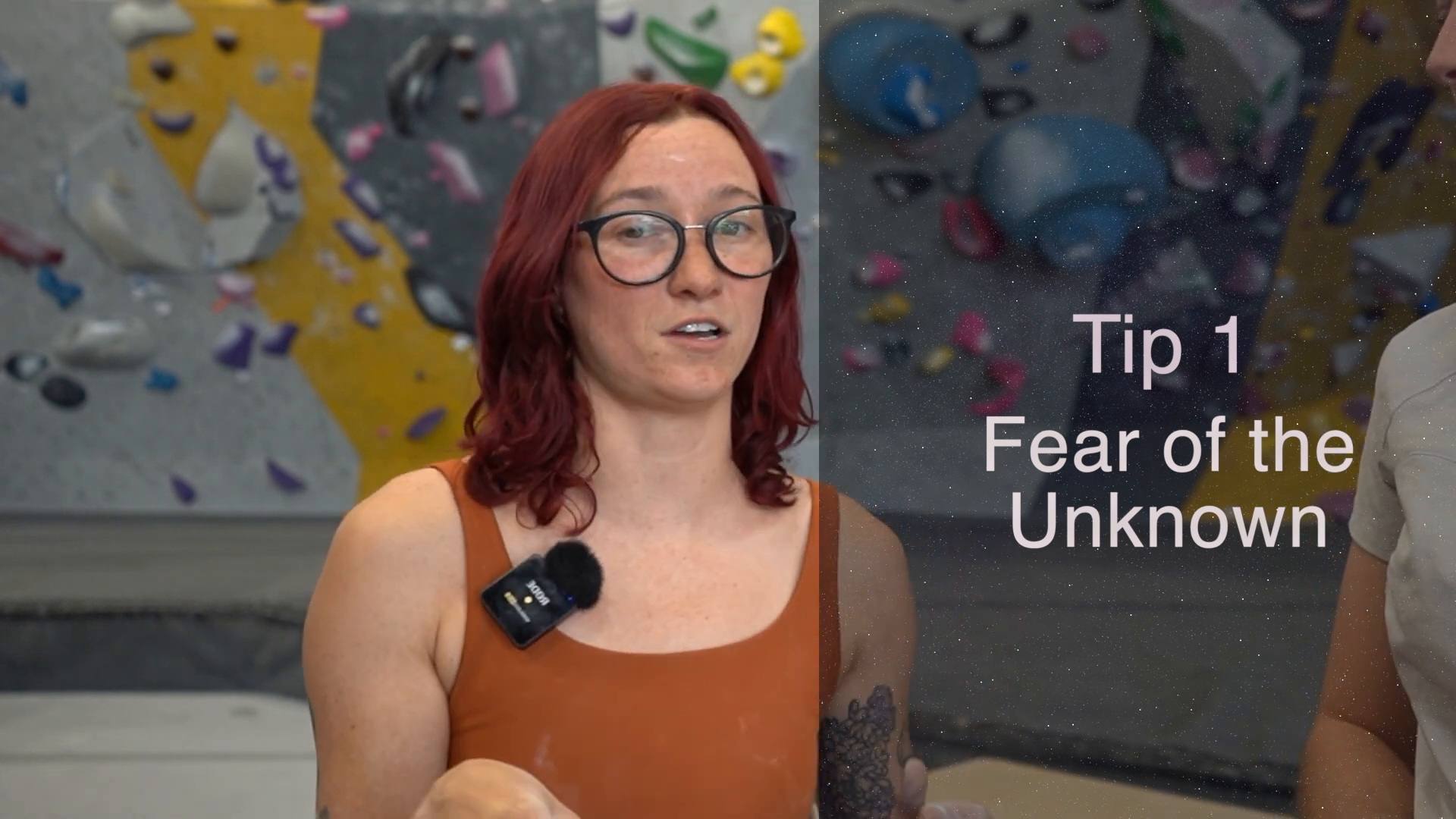
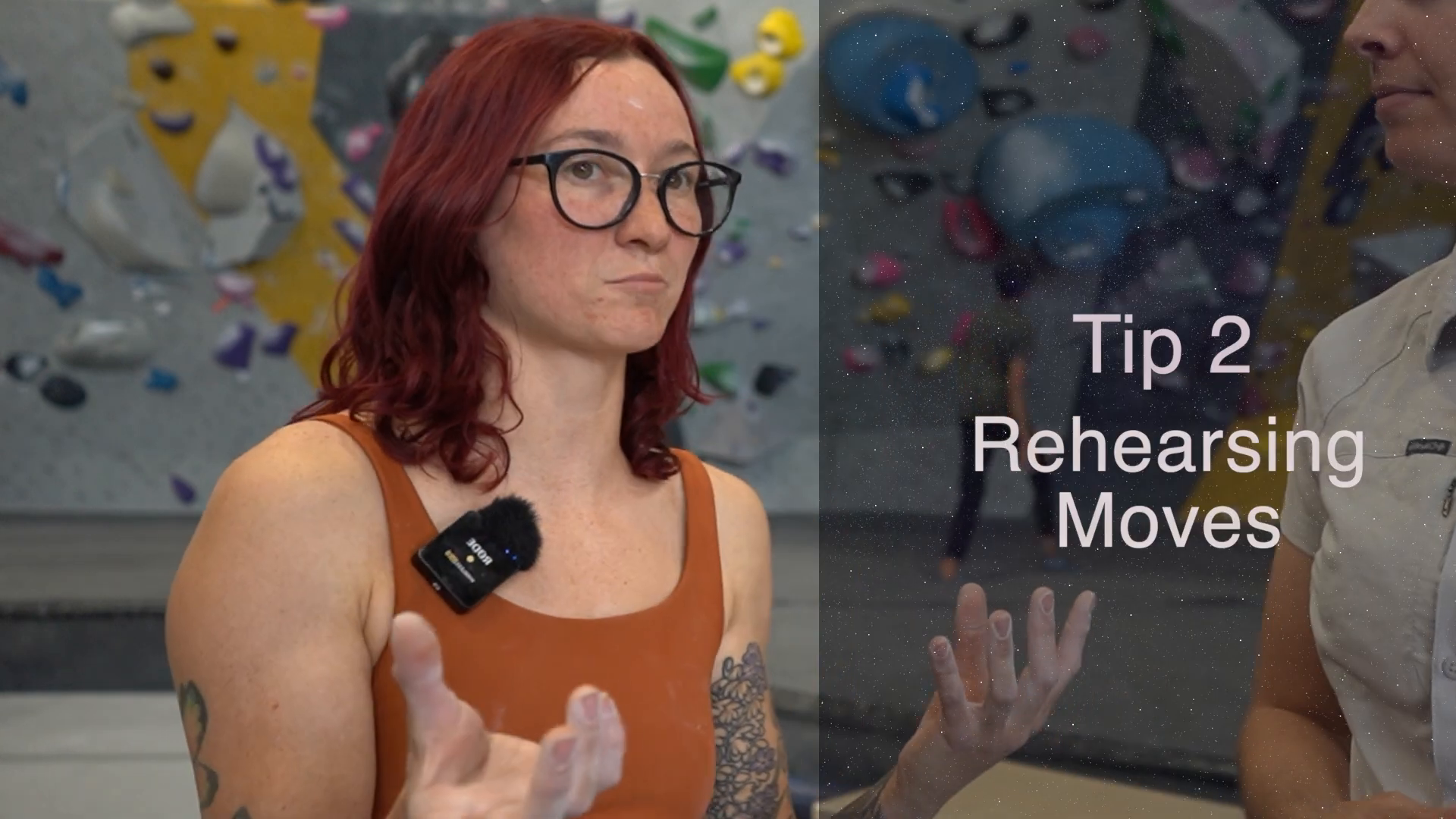
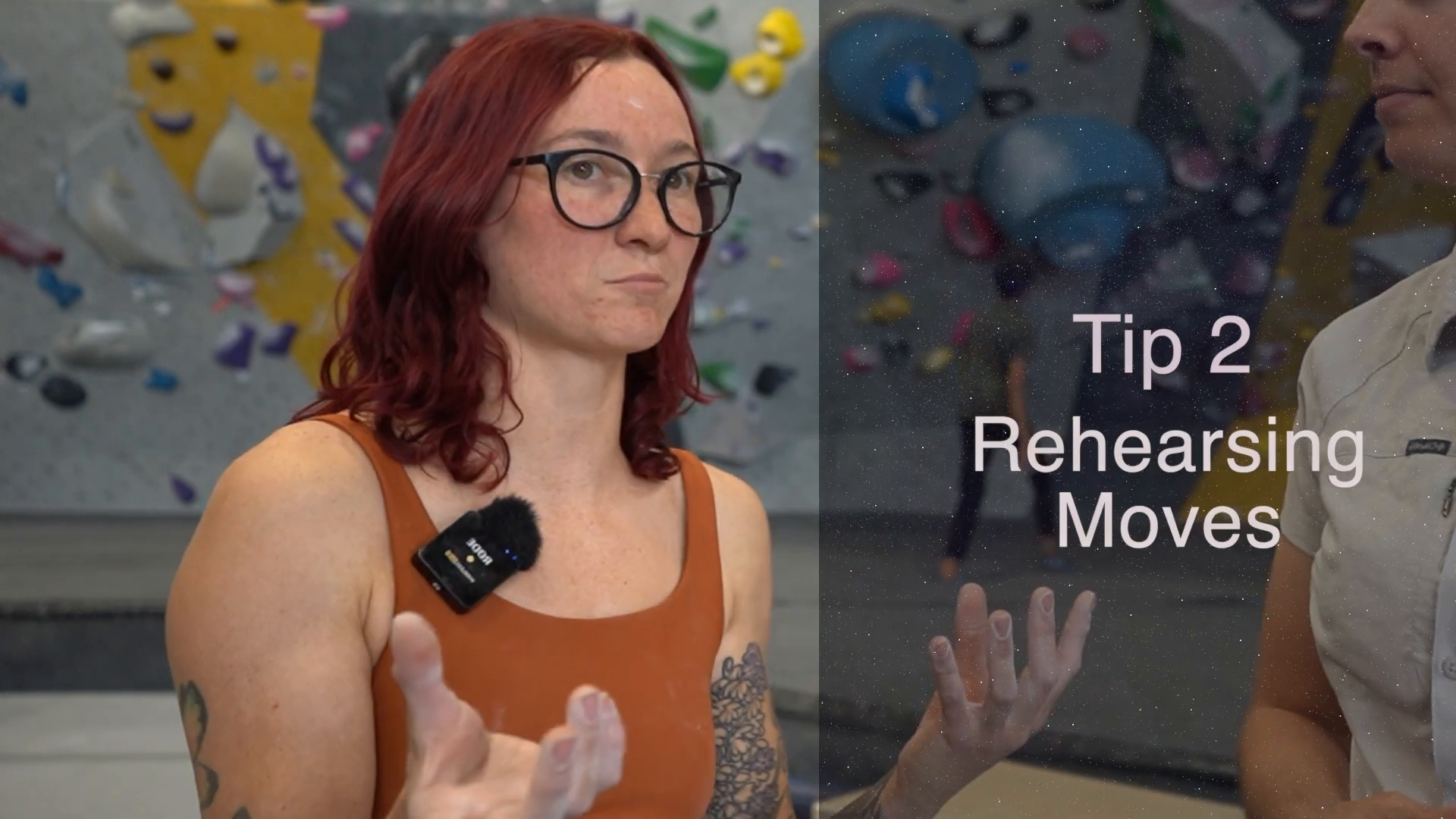
Rehearsing the tricky moves, both on the ground and while you’re climbing, is how you build muscle memory and confidence. When your body already knows the sequence, there’s a lot less to be afraid of. Tash drills the hard bits over and over until they stop feeling like a mystery.
- Practice the crux moves on the ground first, then link them on the wall.
- Run the sequence enough times that it starts to feel automatic.
One tool Tash leans on is her phone. She records herself on her attempts so she can watch the footage back, spot what went wrong, and picture the successful version before she gets back on.
- Watch videos of your attempts to find the spots where you keep slipping.
- Practice those specific moves a few more times until you feel ready.
Want a weekly nudge to sharpen skills like this? Level up your climbing with 15 minutes of training is our free newsletter with one short climbing drill a week, so you can chip away at your mental game and your movement without carving out big blocks of time.
🗣️ Talk to Your Belayer
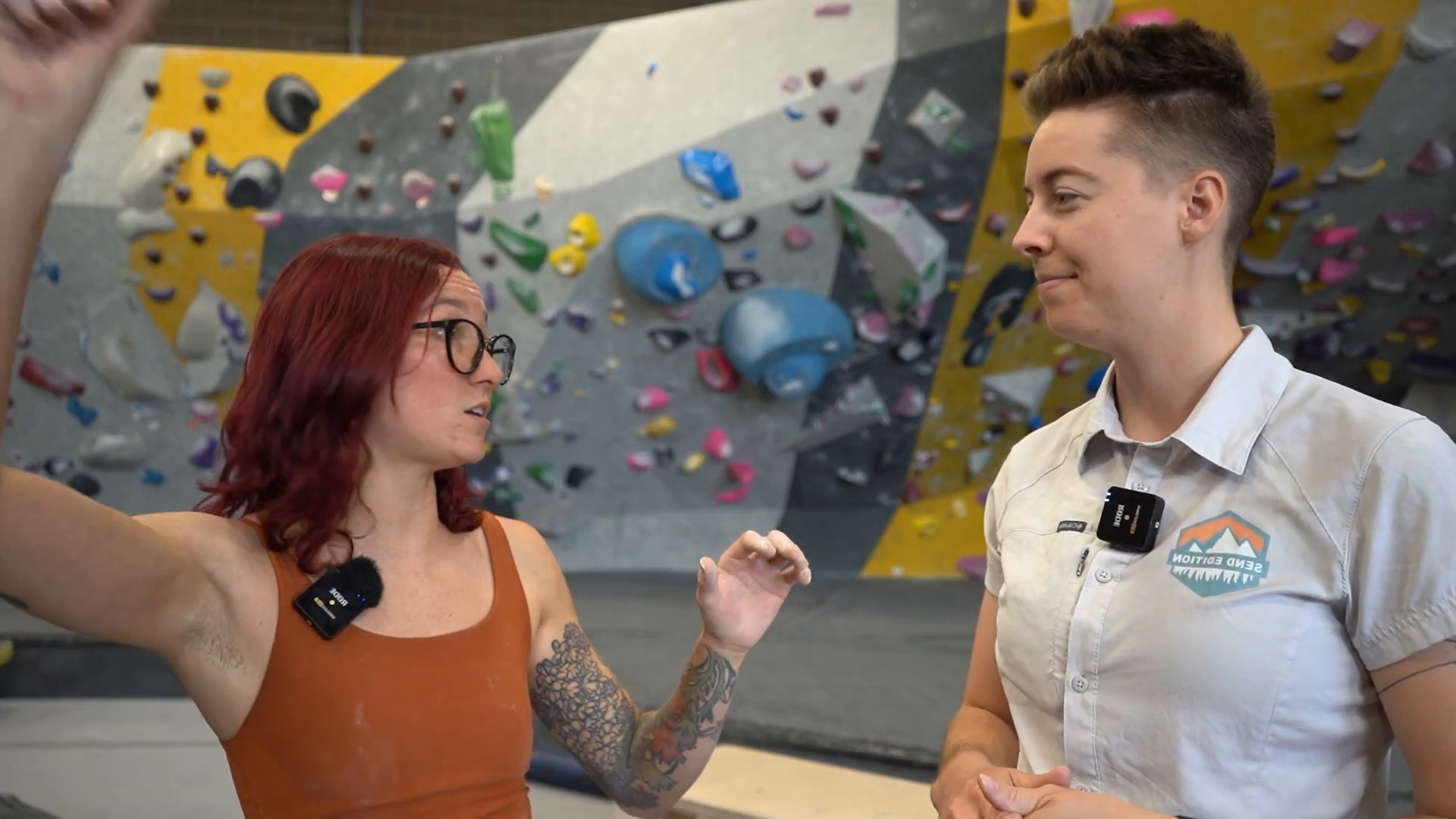
Communication is the third piece, and it’s an easy one to skip. Tash encourages climbers to share their fears with their belayer so you’re building a supportive, honest partnership instead of white-knuckling it alone. Your belayer can’t read your mind, so tell them what’s going on.
- Let your belayer know the second you feel scared or shaky.
- Give them a heads up when a fall might be coming so they’re ready.
- Ask for encouragement as you climb. A few words at the right moment can get you through a crux.
None of this works without trust in the person holding the rope, so it’s worth getting the basics rock solid. If you or your partner want a refresher, start with Belaying 101 and make sure you’re both on the same page before you tie in.
Frequently asked questions
How can I overcome my fear of falling?
Fear of falling is common, and you chip away at it with practice, not willpower. Take safe, controlled falls so your body learns that a whip is usually fine, keep talking to your belayer about what scares you, and visualize successful climbs to build confidence. For a full walk-through, read our guide on how to deal with the fear of falling.
How important is mental preparation in climbing?
It’s huge. A lot of climbing happens between your ears. Focus on the process instead of the outcome, rehearse hard moves on the ground and on the wall, and shut down the negative self-talk before it snowballs. If you want to train this side of your climbing, our overview of mental training for climbing is a good place to start.
Does getting comfortable with a route really reduce fear?
Yes. Most fear comes from the unknown, so the more familiar a climb feels, the less scary it gets. Clip in directly or clip high to work the moves without falling, feel out the holds, and visualize the sequence before you commit. By the time you try it clean, you’ve already been there in your head.
How does Tash use video to manage fear?
Tash records her attempts on her phone, then watches the footage back to spot where she keeps slipping. Seeing the move from the outside helps her fix it and picture the successful version before she gets back on, which takes a lot of the guesswork and nerves out of the crux.
What should I tell my belayer when I’m scared?
Keep it simple and honest. Tell them when you feel scared, warn them when a fall might be coming so they can stay sharp, and ask for encouragement when you need it. A belayer who knows what’s going on can support you far better than one who’s left guessing.
Is it your head?
Every climber who looks fearless has a working relationship with fear. The Fear Management guide covers why falling feels different from every other risk, and what actually works on it.