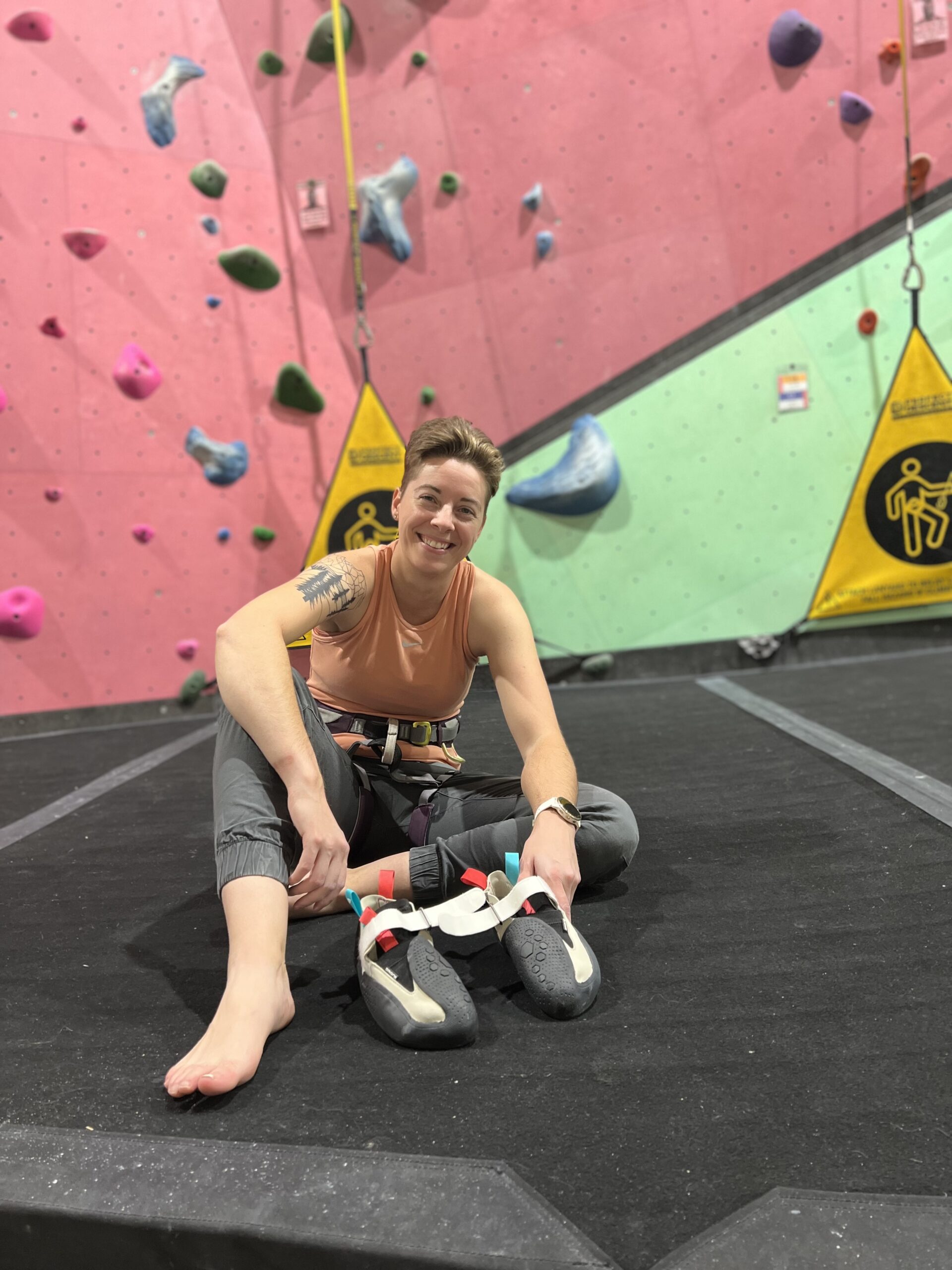
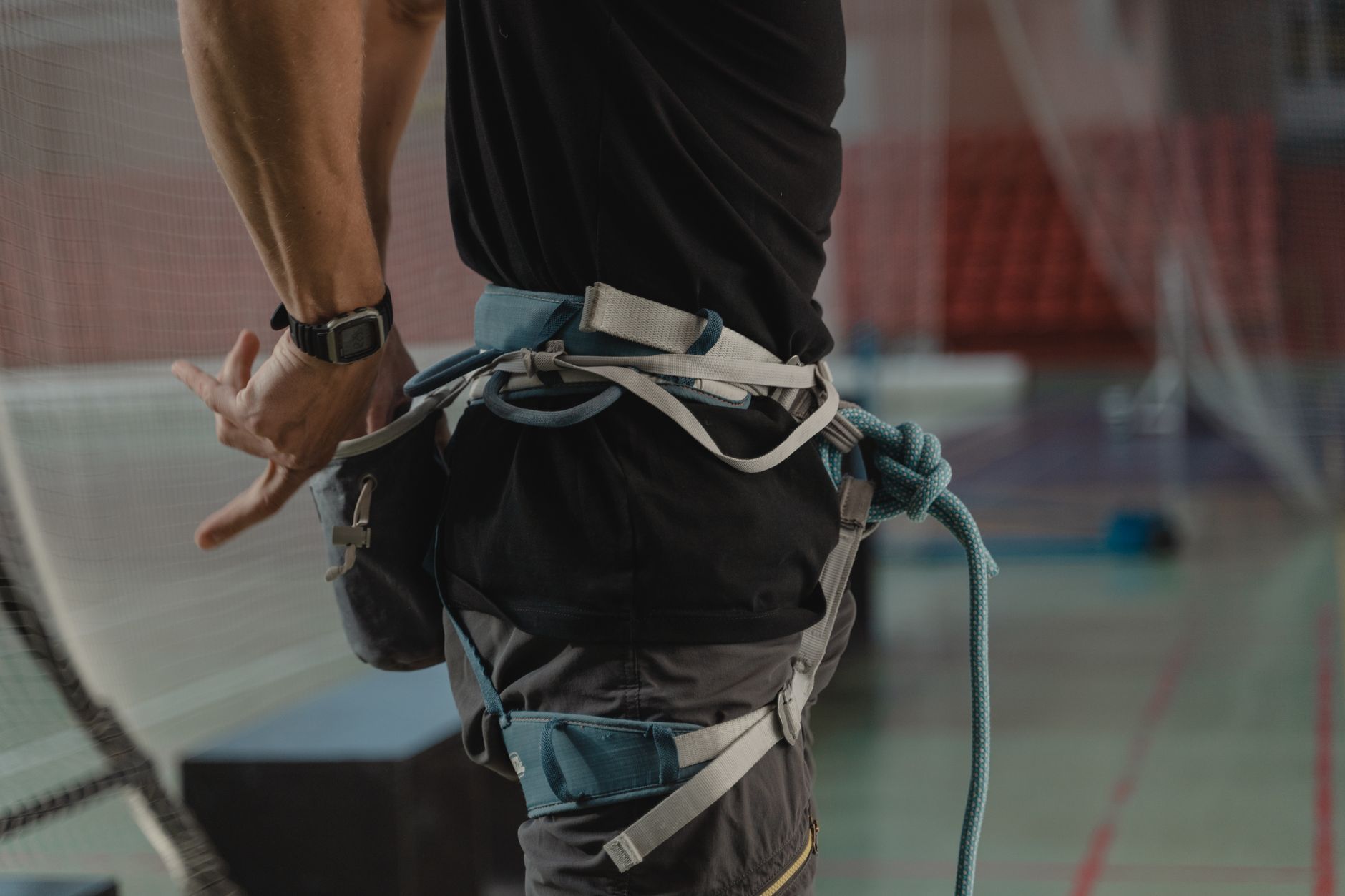
Do you want to feel confident and secure while climbing? Trust your feet first
Do you want to feel confident and secure while climbing? For most of us that feeling starts a lot lower than you’d expect, right down at your feet. Pro climbers often point to trusting their feet as a big source of calm on the wall, and you can build that same trust with a little focused practice. Reply to this email and tell me your own secret for feeling solid up there, you might get featured in a future email.
Over the past few weeks we’ve honed in on building strength with different drills. Strength matters, but it’s easy to let it overshadow skills that carry just as much weight, like foot precision.
Early on, I found that sloppy footwork kept stalling my progress even as my upper body got stronger. So this week we’re shifting focus back to a fundamental: the “Quiet Feet” drill.
Even pro climbers keep practicing this to sharpen their footwork, which tells you how much it matters.
It’s a good reminder that sending isn’t only about reaching higher. A lot of it comes down to stepping smarter. If you want a deeper menu of footwork ideas, our roundup of 17 footwork drills for climbing is a great place to keep going after this one.
This week’s drill: Quiet Feet
The “Quiet Feet” exercise is a drill built to help rock climbers clean up their footwork, which is one of the most neglected parts of climbing practice.
Challenge Rating: Easy Equipment Needed: Small Bells (optional)
Identifying Routes
Before you start, pick 3 to 5 climbing routes that sit 2 to 3 grades below your current level. You want routes that aren’t too hard, so you can put your attention on your footwork instead of fighting the difficulty of the climb.
Instructions
- Start the Climb: Begin climbing one of the routes you picked.
- Intentional Placement: As you climb, aim to set your foot on each hold with purpose. Don’t slam your feet against the wall or the holds.
- Quiet Feet: Climb so your feet make no noise when they touch a hold. The goal is to move as quietly as you can.
- Complete the Route: Climb to the top, keeping your focus on quiet, intentional foot placement the whole way.
- Repeat: Once you finish one route, move on to the next. Keep the same focus on quiet footwork.
Notes and Tips
- The most common source of noise is kicking the wall, so be extra careful to avoid that.
- Dropping onto a hold or readjusting your foot can also make unwanted noise, which chips away at the point of the drill.
- Since this is an easy-level drill, the focus is technique, not speed or difficulty. Take your time and make each move count.
Want to make it harder?
If you want to crank up the challenge, try placing small bells on the heel of your shoe. The jingle picks up tiny movements you’d never catch by just listening for scraping or pounding on the wall.
Work the “Quiet Feet” drill into your regular practice and you’ll build more precise, controlled footwork over time, which is exactly what makes you a smoother and more efficient climber. If you like having your footwork practice tracked and served up for you, the Grip & Grind app is where I run drills like this between newsletters. And if you keep noticing the same slips, our list of 5 common climbing mistakes and how to fix them pairs nicely with quiet feet.
By the way, this drill came from our book published earlier this year, 77 Drills to Help You Climb Better, which you can learn more about here.
Get a new drill every week
If quiet feet clicked for you, you’ll like what lands in your inbox. Our free newsletter sends you one climbing drill a week that takes about 15 minutes, so you always know what to work on next. Level up your climbing with 15 minutes of training and I’ll see you there.
Quick Tip
Remember, a strong climbing mindset isn’t something you have, it’s something you actively create. Each climb is a chance to engage your focus and precision on purpose. Treat your mental approach like a muscle, train it, strengthen it, and watch your climbs change. If you want to go deeper on the head game, read up on why climbing is such a mental sport and how to deal with the fear of falling.
Super Secret Project
As I turn 30, I’m challenging the traditional path of aging by transforming my body and mind exclusively through the sport of climbing. This project, which I’ve dubbed my “Super Secret Project,” is about more than climbing higher. It’s about reshaping how I engage with climbing to redefine my limits and discover a healthier, stronger self.
Read more about my Super Secret Project here.
I’ll be sharing regular progress updates and insights in our upcoming newsletters. This journey isn’t just about reaching new heights, it’s about learning and growing together.
Got questions or specific aspects of my journey you’re curious about? I’d love to hear from you. Your questions will help shape the content of future updates, making sure we’re tackling the topics most relevant to our climbing community.
Beta Break:
Insights and InspirationExplore curated insights and stories that challenge and inspire your climbing journey.
Stuck Climbing the Same Grade? You Need a Training Program. Here’s How to Make One (Climbing.com)
How far can one progress without being able to do a pull up? (Reddit)
Strobe training as a visual training method that improves performance in climbing (Research Gate)
Frequently asked questions
Do you want to feel confident and secure while climbing?
Start with your feet. A lot of the calm you see in stronger climbers comes from trusting their foot placements, so they aren’t fighting to stay on the wall. Practicing quiet, deliberate footwork with a drill like Quiet Feet builds that trust, and pairing it with a steady mental approach is what turns nervous moves into secure ones.
What is the Quiet Feet drill?
Quiet Feet is an easy footwork drill where you climb routes 2 to 3 grades below your level and place each foot so quietly it makes no sound on the hold. No kicking the wall, no readjusting, no dropping onto footholds. The silence forces precise, intentional placements.
How do I make the Quiet Feet drill harder?
Clip a couple of small bells to the heel of your climbing shoe. The bells pick up tiny movements you’d miss if you were only listening for scraping, so even a slight bump gives you feedback. You can also work slightly harder routes once quiet placements feel natural.
How often should I practice footwork?
A little and often beats one big session. Folding a short footwork drill into your regular warm-up, even for 10 to 15 minutes, keeps precise placements fresh. Our free weekly newsletter sends one 15-minute drill at a time so you always have something to focus on.
Does footwork really affect climbing confidence?
Yes. When you trust your feet you commit to moves instead of hesitating, and that steadiness feeds your head game as much as your body. Precise footwork plus a trained mental approach is a big part of feeling confident and secure while climbing.