Beta reading in climbing is how you study a route and plan your sequence before you ever leave the ground. Instead of figuring out every move while you’re pumped and hanging on, you read the wall first: you spot the holds, picture the body positions, and map out how you’ll flow from the start to the finish.
It all happens before you tie in or pull onto the first hold, and it makes your climbing cleaner. You hesitate less, you waste fewer moves, and you show up to the hard part with a plan instead of a guess.
What Is Beta Reading in Climbing?
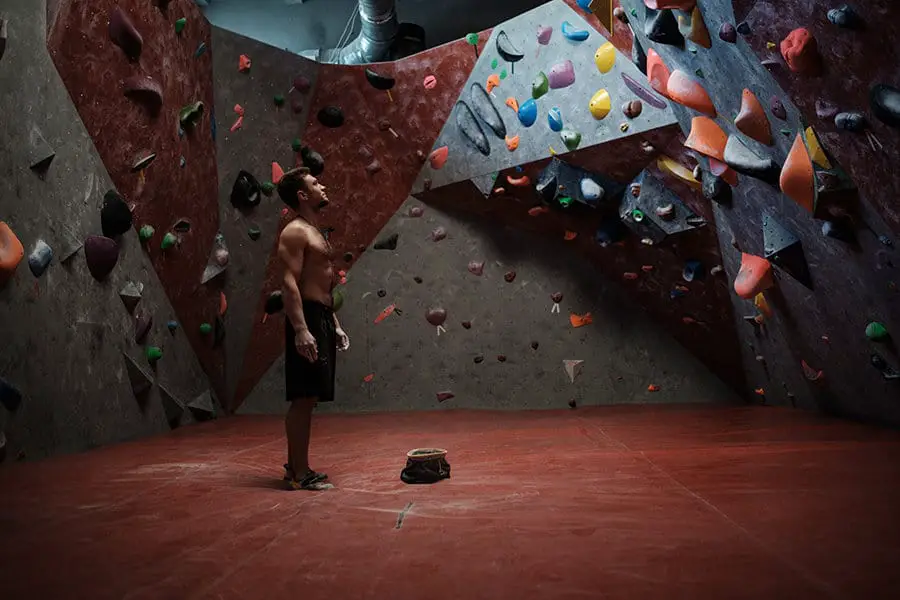
Beta reading in climbing is the habit of looking at a route and deciding how you’re going to move through it before you start. You scan the holds you’ve got to work with, imagine the body positions each one asks for, and pick the sequence that looks most likely to work.
Instead of reacting to each move as it shows up, you start with a plan. It sharpens your decisions and it lets you walk up to a tricky section with a bit more confidence instead of dread.
When This Technique Shows Up
You read beta before every climb, and again after each attempt if something needs tweaking.
Most climbers lean on it when they’re:
- Starting a new route or boulder problem
- Sizing up a hard sequence
- Figuring out where to rest
- Reviewing a climb after a fall
Your first read isn’t always right, so you’ll often refine the beta after each go. That’s normal, and it’s part of the process.
How This Technique Is Typically Used During a Climb
Reading beta starts on the ground, but it keeps going once you’re on the wall.
Here’s what that usually looks like in practice:
- Spotting your handholds and footholds
- Predicting body positions and which way you’ll move
- Planning where you’ll shift your weight or grab a rest
- Adjusting the sequence when a move feels harder than it looked
The more you climb, the better you get at recognizing patterns and guessing how a sequence will feel before you even try it. A lot of that comes down to seeing the small stuff, like how you’ll use your toes on a tiny foothold or when a hip turn will get you closer to the next hold.
Why Beta Reading Matters
Good beta reading helps you move more efficiently and skip the dumb mistakes that cost you a send.
When you read beta well, you can:
- Hesitate less on the wall
- Save energy by cutting out extra moves
- Get better at solving the puzzle
- Feel more confident before a hard sequence
Plenty of climbers find that getting better at reading beta helps them send harder even when they haven’t gotten any stronger. It’s one of the cheapest ways to level up.
Common Mistakes With Beta Reading
A few things trip climbers up all the time:
- Starting a climb without looking at the sequence first
- Ignoring footholds while you plan the hand moves
- Assuming your first plan will always work
- Overthinking the sequence instead of just adapting mid-climb
The sweet spot is planning enough to have a direction, then staying loose enough to change it when the wall tells you to.
Where This Technique Fits in Progression
Beta reading is a foundational skill, and you can start practicing it on day one. As you progress, your reads get more accurate and more intuitive, almost automatic.
Watch experienced climbers and you’ll notice they spend real time studying a route before they touch it. Better planning just leads to cleaner, more efficient climbing. If you want the bigger picture of where this sits, our guide to 22 essential climbing techniques shows how reading beta ties into the rest of your movement.
Related Techniques
Beta reading connects with a bunch of other techniques that shape your movement decisions, including:
- Hip turns
- Flagging
- Using your toes
- Deadpoints
When you can spot these movements during your read, you’ll have a much better sense of how a sequence is going to feel before you commit.
How to Train This Technique
Once you know what beta reading is and how it drives your movement, the next step is practicing it on purpose every session. Try reading a problem all the way through before you pull on, then check your plan against how it actually went. Over time your reads get sharper.
Once you understand the technique, here’s how to train it. If you’d rather have the drills laid out for you, the Grip & Grind app is where our members put this into practice.
Want small, doable stuff like this in your inbox? Get one climbing drill a week, about 15 minutes each, free. It’s the easiest way to keep chipping away at your movement between sessions.
Explore the Full Technique System
For a complete breakdown of climbing techniques, see
Climbing Technique Fundamentals: 22 Essential Techniques Explained.
Frequently asked questions
What does beta reading mean in climbing?
Beta reading in climbing means studying a route and planning your sequence of moves before you leave the ground. You look at the holds, picture the body positions each one needs, and map out how you’ll move from start to finish so you’re not figuring it all out mid-climb.
When should I read the beta?
Read it before every climb, and again after each attempt if something needs adjusting. Climbers usually read beta when they’re starting a new route or boulder, sizing up a hard sequence, planning a rest, or reviewing a climb after a fall.
Can beginners practice beta reading?
Yes. Beta reading is a foundational skill you can start on day one. Your reads get more accurate and more intuitive as you climb more, and getting better at it often helps you send harder even without getting physically stronger.
What are the most common beta reading mistakes?
The big ones are starting a climb without looking at the sequence, ignoring footholds while you plan hand moves, assuming your first plan will always work, and overthinking the sequence instead of adapting mid-climb. The fix is to plan enough to have a direction, then stay loose enough to change it.
Reading the wall
Beta reading is one part of a bigger reading skill. The Route Reading guide covers chunking a sequence, finding the rests you walk past, and what to do when the beta is wrong.