
This post contains affiliate links. If you buy through them, I may earn a commission at no extra cost to you.
You’re standing in the gear shop staring at three versions of the TX Guide, wondering why La Sportiva made this so confusing. Same silhouette, same basic idea, but different uppers, different prices, and no clarity on which one matches how you climb. Figuring out which La Sportiva TX Guide is best for you really comes down to three things: how much weight you carry, how wide your feet run, and whether you climb in the wet. Let’s break it down so you can order the right pair the first time.
The TX Guide family: what you’re actually choosing between
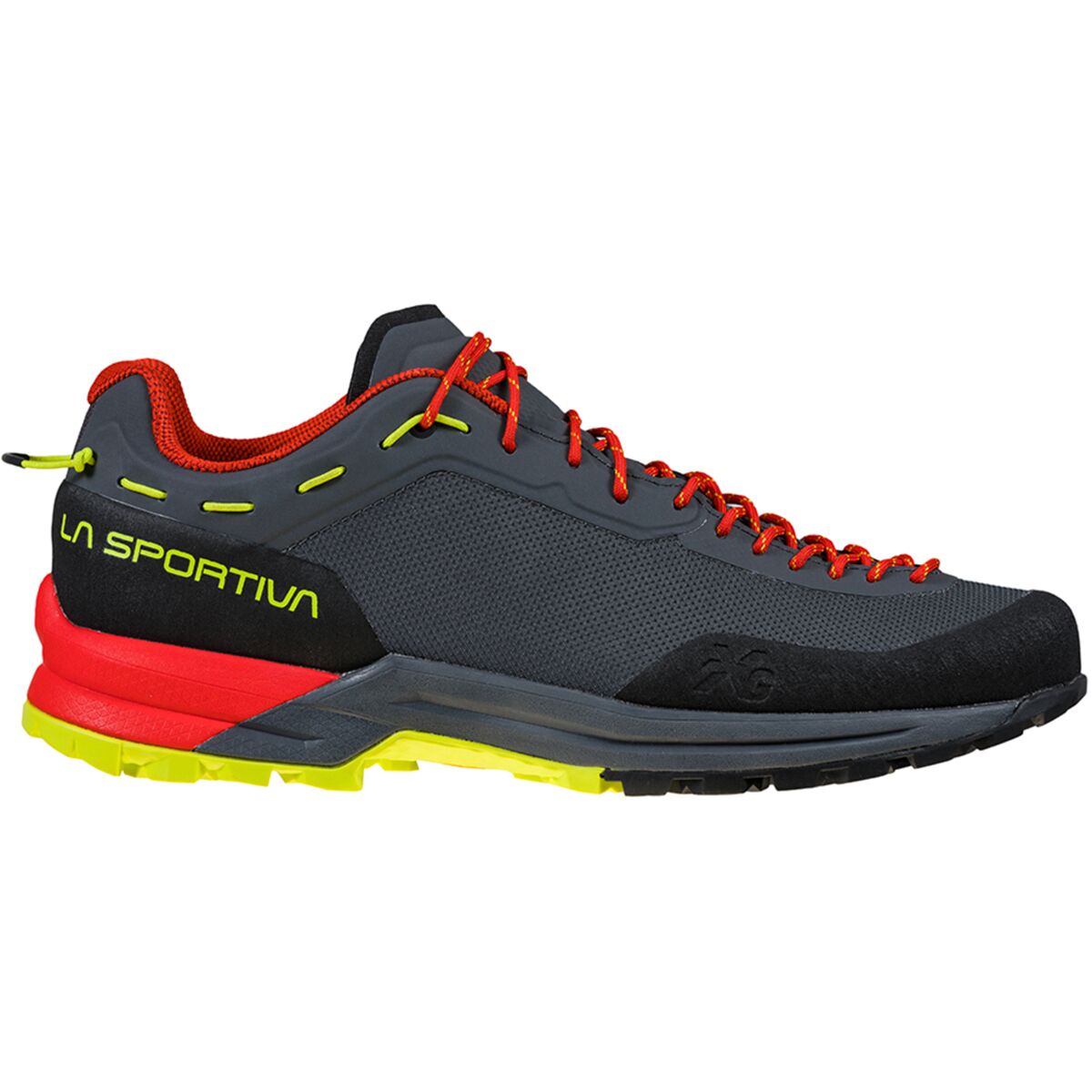
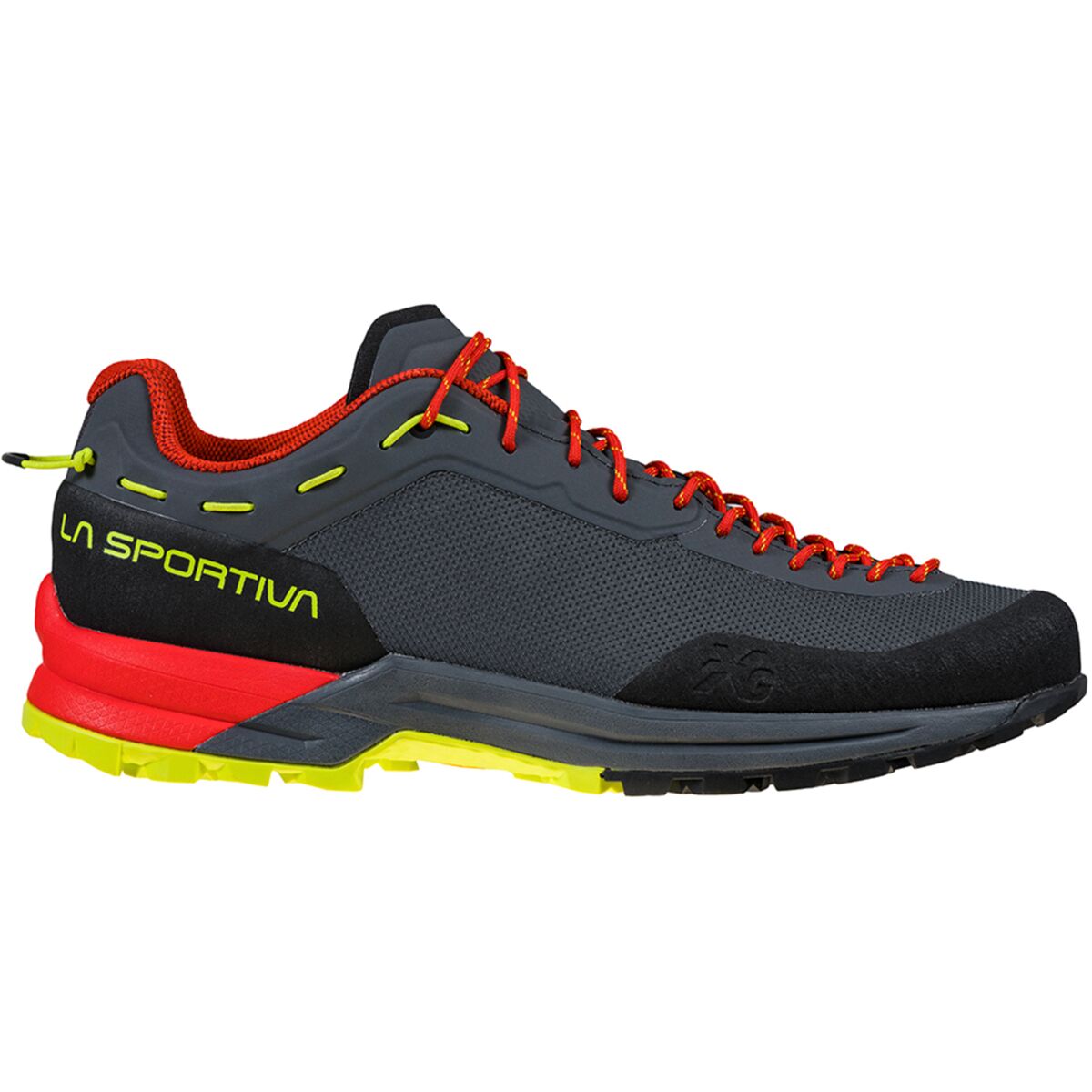
La Sportiva makes the TX Guide in three main builds. The leather version is the original, full-grain and stiff. The synthetic version swaps the leather for a lighter, faster-drying upper. The women’s cut adjusts volume and heel shape. All three share the Vibram Megagrip sole and the same approach-to-scramble design, but the upper changes how they fit, how they break in, and how long they last.
If you’ve worn approach shoes before, you know the upper matters more than the sole for all-day comfort. A stiff leather boot that doesn’t match your foot will punish you on the trail. A synthetic that dries fast but blows out in six months isn’t a deal. Here’s how to pick. And if you’re still deciding whether the TX Guide is even the right shoe for your objectives, our guide to picking approach shoes for scrambling is a good place to start.
Leather TX Guide: for multi-day trips and rocky trails
The La Sportiva TX Guide in leather is the heavy hitter. Full-grain upper, thicker rand, more structure around the ankle. It weighs more than the synthetic version and takes longer to break in, but it’s built for long approaches where you’re carrying a full rack and stepping through talus for hours.
Climbers who prefer this version usually fall into two camps: those doing multi-day alpine routes where durability matters more than pack weight, and those with wider feet who need the leather to stretch and mold over time. If you’ve ever had a synthetic shoe feel too tight in the toebox after a year of wear, leather solves that. It gives instead of tearing.
The downside is break-in. Expect stiff heels and pressure points for the first few wears. Some climbers size up half a size to account for thick socks on cold mornings. If you want that break-in to go faster and hurt less, our notes on breaking in a stiff pair without shredding your heels will save you a few miserable miles. If you’re buying online, confirm the return policy before you commit.
Synthetic TX Guide: lighter, faster drying, less forgiving
The synthetic version cuts weight and speeds up dry time. If you’re crossing streams on the approach or climbing in wet spring conditions, this is the move. The upper sheds water faster than leather, and the shoe feels nimble on technical fourth-class scrambles where you’re weighting your toes more than your heels.
But synthetic doesn’t stretch. The fit you get out of the box is the fit you keep. If the toebox feels snug on day one, it will still feel snug on day three hundred. Climbers with narrow to medium-width feet tend to love this version. Wider feet often regret it.
Durability is the other trade. Synthetic uppers wear faster under heavy pack weight and constant rock contact. If you’re doing weekend cragging approaches, no problem. If you’re guiding or logging serious vertical every week, budget for replacement in a year or two instead of three or four. When they do wear out, remember the Megagrip sole often has life left in it, so it’s worth reading up on when a resole makes more sense than a new pair before you toss them.
Women’s TX Guide: not just a color swap
La Sportiva’s women’s version adjusts heel cup shape, midfoot volume, and forefoot width. It’s not a shrink-and-pink. If you’ve fought heel slip in unisex approach shoes, this cut usually fixes it. The synthetic and leather options exist here too, so the same durability and weight trade-offs apply.
One note: some women with higher-volume feet or wider forefeet prefer the men’s version in a smaller size. Try both if you can. The women’s cut assumes a narrower heel and lower instep, which works for many but not all.
Which La Sportiva TX Guide is best for you: how to decide
Pick leather if you’re carrying heavy loads on long approaches, you have wider feet, or you want a shoe that will last three seasons of hard use. Pick synthetic if you prioritize light weight, fast drying, and you have narrow to medium feet that won’t fight the fixed fit. Pick the women’s version if you’ve had heel slip problems in the past and your foot matches a lower-volume last.
Check sizing charts and return policies before you order. La Sportiva runs narrow compared to brands like Scarpa, and the TX Guide doesn’t have much wiggle room. If you’re between sizes, most climbers size up for thick socks and downhill comfort. Not sure how a hiking-fit shoe should feel versus your climbing shoes? Our plain-language sizing guide walks through the difference.
Once you’ve got the right shoes on your feet, the thing that actually keeps you steady on a loose fourth-class scramble is footwork, not gear. If you want to sharpen that, I send one short climbing drill every week that you can do in about 15 minutes. It’s free, and you can grab the weekly drills here.
Frequently asked questions
Which La Sportiva TX Guide is best for you?
It depends on your feet and your objectives. Go leather for heavy multi-day loads, wider feet, or maximum durability. Go synthetic for light weight, fast drying, and narrow to medium feet. Choose the women’s cut if heel slip has been a problem and your foot runs lower volume.
Does the leather TX Guide stretch?
Yes. The full-grain leather upper gives and molds to your foot over time, which is why climbers with wider feet often prefer it. The synthetic version does not stretch, so the out-of-the-box fit is the fit you keep.
Is the synthetic TX Guide good for wide feet?
Usually not. Synthetic uppers hold their shape and won’t relax into a wider forefoot the way leather does. If your feet run wide, the leather version is the safer pick.
Should you size up in the TX Guide?
Many climbers do. La Sportiva runs narrow and the TX Guide has little wiggle room, so if you’re between sizes, sizing up leaves room for thick socks and keeps your toes comfortable on long descents.
How is the women’s TX Guide different from the men’s?
It’s a different last, not just a color swap. The women’s version has a narrower heel cup, lower instep, and adjusted midfoot volume. Some higher-volume feet still fit the men’s version better, so try both if you can.