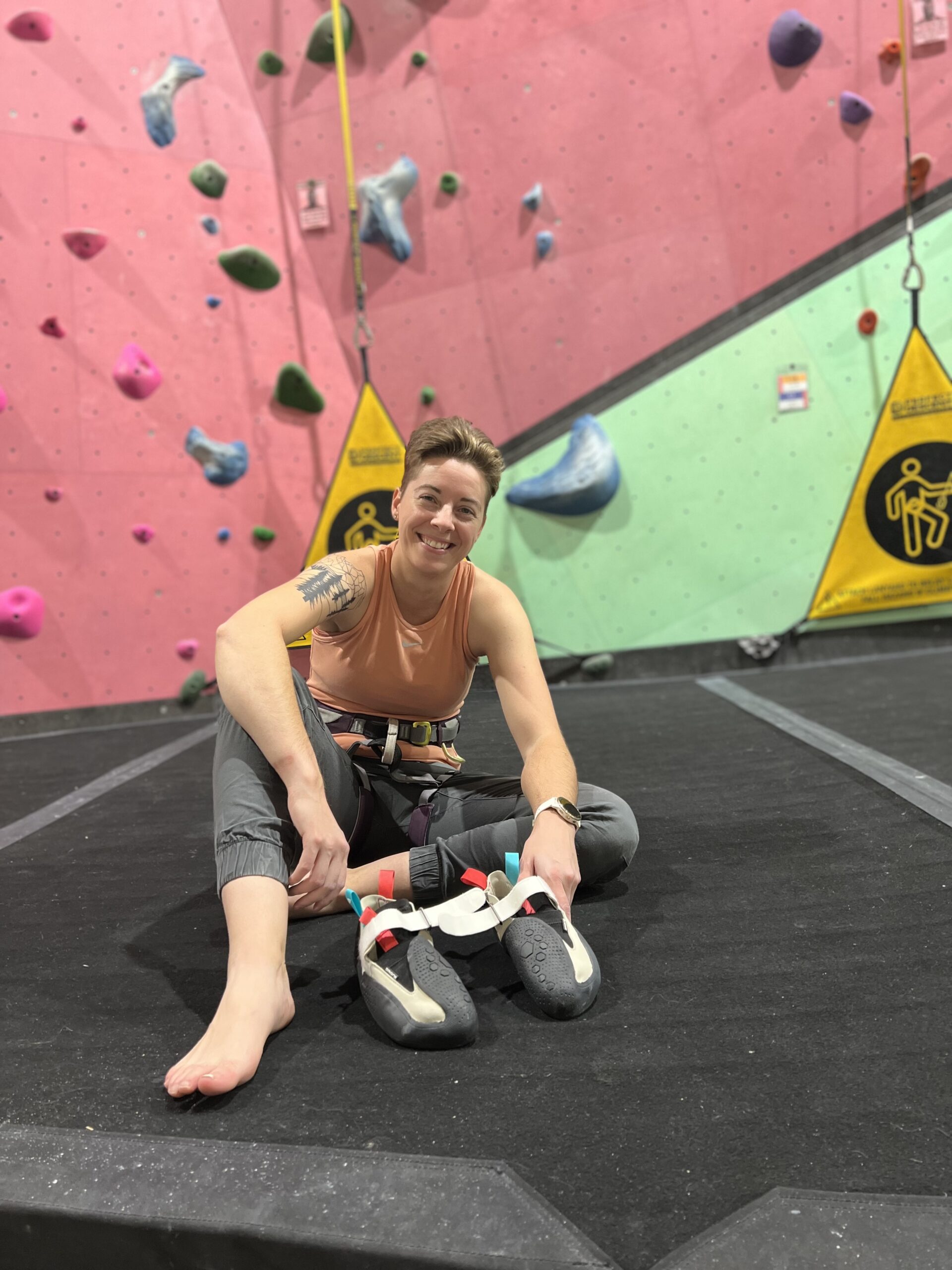
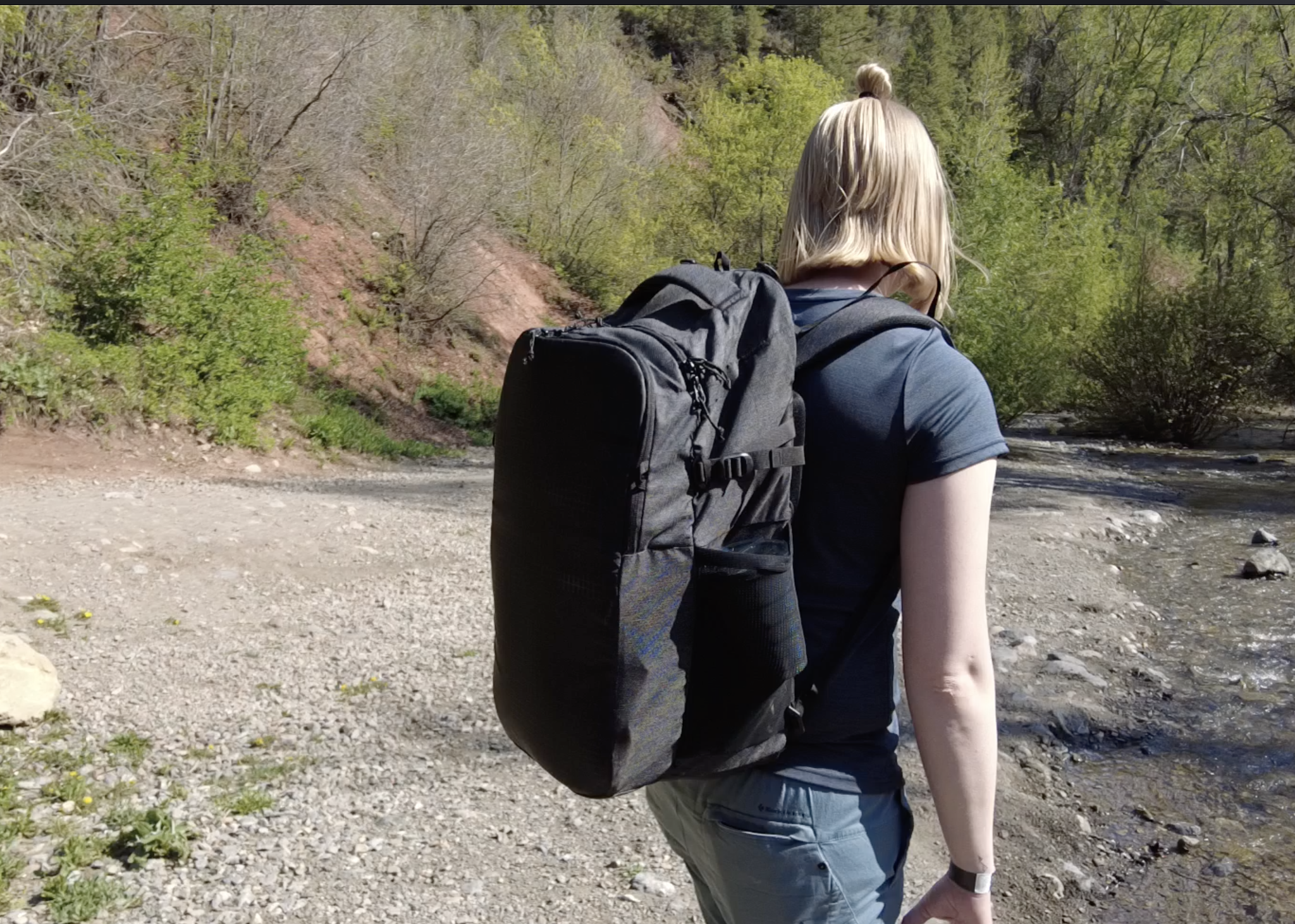
I live 20 minutes from American Fork Canyon and about an hour from Big and Little Cottonwood Canyon, so I get to do climbing day trips all summer and into the fall. After enough of them, I’ve got a pretty good handle on what to bring on a climbing day trip, and just as importantly, what to leave in the car.
Beyond your climbing gear, it’s worth packing a few things that just make the day nicer, like somewhere to sit and real food to eat. If you’ve got a long hike to the crag, lean toward lighter stuff, like a hammock instead of a camping chair. That said, I’ve backpacked 3 days with a $20 camping chair, so it isn’t the end of the world if you go a little heavier.
I’ve had plenty of day trips where I brought way too much stuff, and a few where I clearly didn’t bring enough. So here’s my honest breakdown of what I’d recommend bringing. If you want the everything-including-the-kitchen-sink version, I also put together a longer list of 37 things serious climbers bring to the mountains.
Something to sit on
One of my favorite ways to rest between climbs, or just recover after the hike in, is to take a seat and enjoy the view or a drink (more on that later). I’ve got two go-tos for what to sit on: a hammock, which doubles as a great napping device, and a backpacking chair.
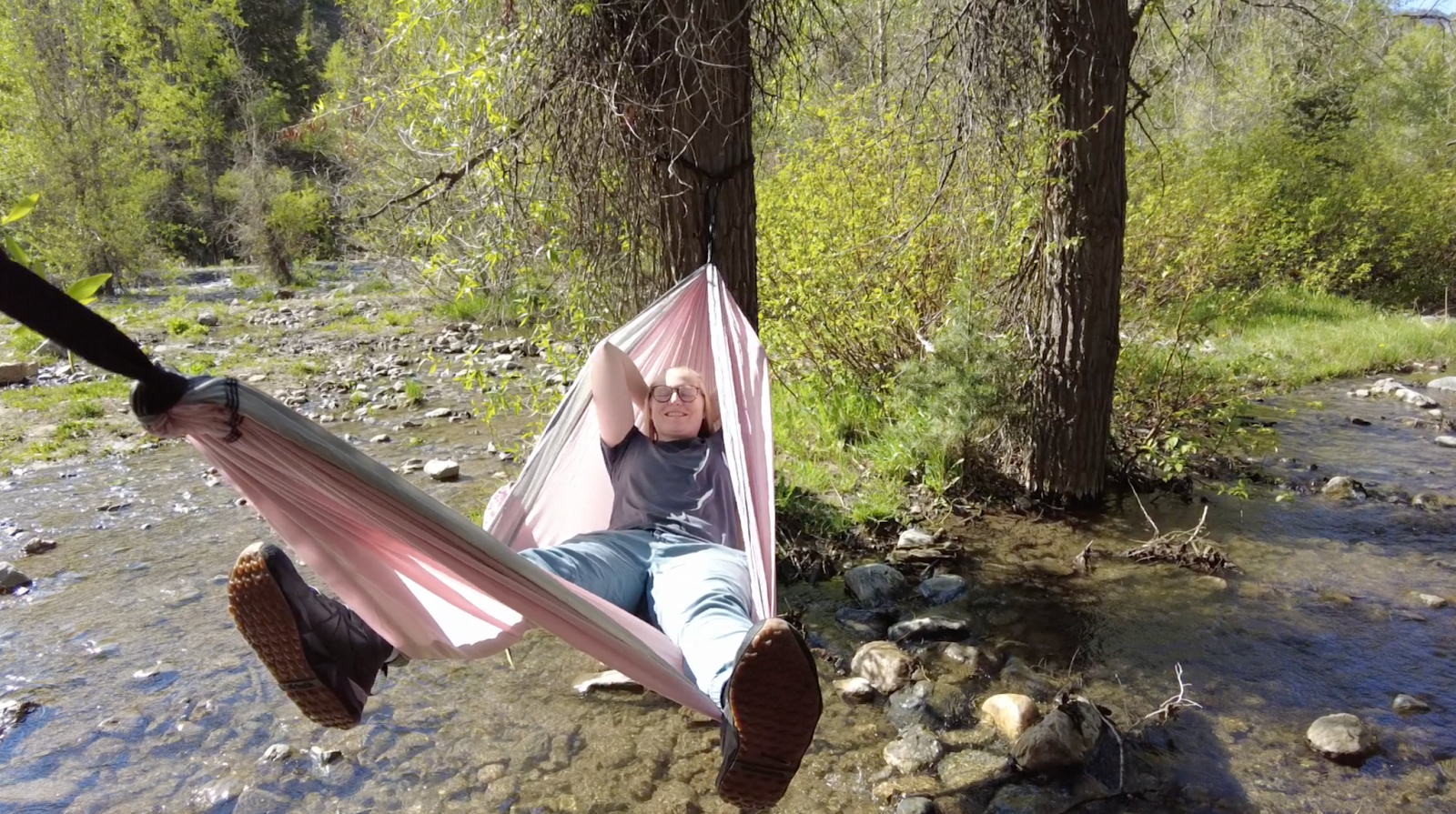
My Favorite Hammock
I’ve got two hammocks that have held up over the years. My most recent one was actually sent to me by the company that made it. I’m not required to write about it or talk about it, but it’s genuinely softer than my other hammock, it looks cute, and best of all it’s made from 100% recycled water bottles. You’d never know it was recycled by looking at it or using it. I’ve enjoyed it enough that I had to include it here.
Nakie also plants four trees for every hammock sold, with more than 90,000 trees planted to date.

My favorite backpacking chair
For years I lugged basic $20 camping chairs up hiking trails, and even hauled one on a 3-day backpacking trip a while back. Switching to an actual backpacking chair made the whole thing a lot more enjoyable. I’ll call it my favorite, though honestly it’s the only backpacking chair I’ve hiked around with, and it was pretty cheap from Costco.
Something to eat
Some of my friends have laughed at me for bringing full meals out to the crag. But as they munch on trail mix, I laugh right back, because I actually feel fueled and ready to climb while they’re stuck picking at handfuls of nuts.

Dehydrated Meals
In the past I’ve mostly just grabbed whatever flavor from REI or Cabelas that sounded good. My favorite right now is the chicken and dumplings meal, since it tastes great and the dumplings have a really nice texture.
With these kinds of meals you’ll need something to boil water with. I got the Jet Boil because so many people raved about how fast it reaches a boil and how it holds heat and a flame even when it’s windy. I’m very happy with mine so far, and it’s really easy to set up and take care of. Mine also came with a coffee press attachment, so I can make morning coffee on camping trips, and that’s a game changer, I’m just saying 😉
Other food and snacks
I also always enjoy applesauce, like the kind kids get in their packed lunches, though I eat those all the time and not just at the crag.
Meg and I both like jerky between climbs when we don’t feel like eating a full meal. I’m usually not the biggest fan of jerky, but when I’m climbing it hits the spot perfectly.
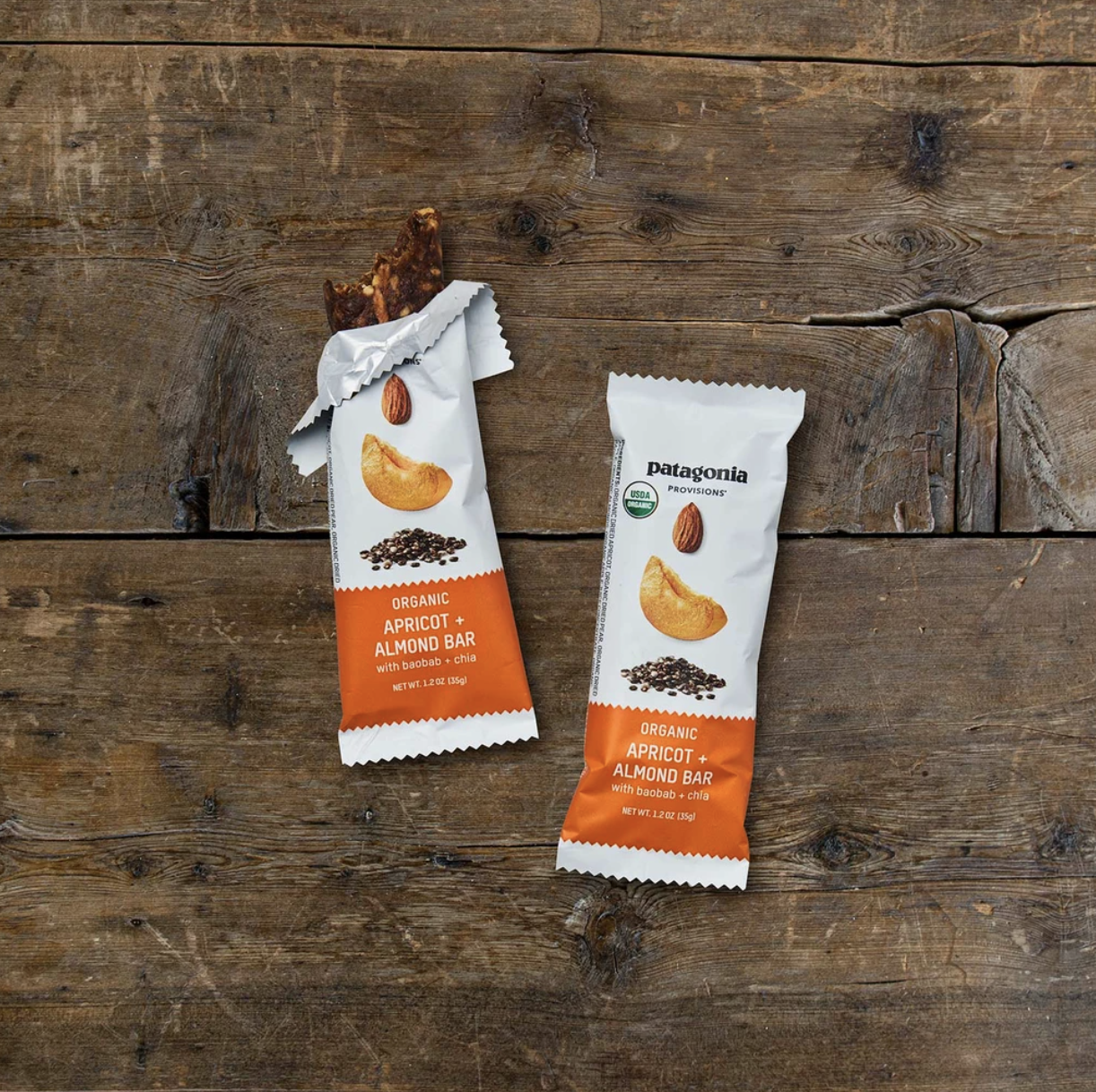
And of course, some granola bars or fruit bars like these ones from Patagonia Provisions (owned by, you guessed it, Patagonia). All of their products are responsibly sourced and taste great. They’ve got some camping food too, but a few of them need extra ingredients, so read the label before you buy.
Something to drink, of course
I usually just bring water, but if I want I’ll toss in a water flavor mix. I know a lot of people like to bring beer or ale out to the crag, but I’m more of a wine person, and I haven’t brought that along yet.

Insulated Tumbler
I often use a Hydroflask for water because it holds temperature really well. But I recently tried this insulated tumbler from Pirani and really liked it. The Pirani Reusable Tumblers are 16 oz. stainless steel, triple-insulated, and keep drinks cold 12+ hours and hot up to 6.
They’ve got measurement ridges on the side too, which is exactly what you need for Jet Boils and other backpacking stoves when you’re measuring water. Meg used it the most, and I could see us bringing a wine drink or something similar in it, because the lid stays tight and it packs like a water bottle in our bag.
I only have one, but their website shows how they stack really easily, so you can nest a bunch for storage in your bag if you’ve got a family or group, especially for picnics.
Something for just-in-case (first aid)
Normally I’d put this in a climbing gear article, but just in case you didn’t read that one, I wanted it on this list too, because it’s that important. If something really bad happens, a small first aid kit isn’t going to save the day. But climbing outdoors often leaves you with some kind of scrape, and instead of calling it a day or patting some dirt on it, you can actually clean it and cover it so it doesn’t get infected on the drive home.
I usually bring a basic wound care kit with bandaids, bandages, tape, alcohol wipes and neosporin. If you want a really solid first aid kit built for climbing, check out this list I put together last year.
Climbing gear
The climbing gear list can be longer than any other thing you’d carry into the mountains, so here’s a quick rundown of what you’ll need. If you want my specific gear recommendations, check out this page. A good rope bag for outdoor climbing is worth it if you’re rope climbing, and it’s smart to think about what to wear while bouldering before you head out too.
Gear you need for bouldering:
- Climbing Shoes
- Chalk/Chalk Bag
- Chalk brush
- Bouldering Pad
Gear you need for rope climbing:
- Climbing Shoes
- Chalk/Chalk Bag
- Chalk brush
- Rope
- Harness
- Locking Carabiners
- Belaying Device
- Quickdraws
Depending on the crag, a helmet is worth bringing too, and if you’re not sure, here’s my take on whether you should wear a helmet for bouldering.
Packing it up: what to bring on a climbing day trip
So when you boil it down, what to bring on a climbing day trip is really four buckets: something to sit on, something to eat, something to drink, and a small first aid kit, all on top of your climbing gear. Nail those and the day feels a whole lot more comfortable, whether you’re out for two hours or all afternoon.
And once you’re at the crag, the goal is to actually climb well. If you want to get stronger between trips without adding much to your day, my free newsletter sends you one short climbing drill every week, about 15 minutes each. You can grab the free weekly drills here.
Frequently asked questions
What should I bring on a climbing day trip?
Beyond your climbing gear, bring something to sit on like a hammock or backpacking chair, real food such as a dehydrated meal, snacks or jerky, plenty of water in an insulated bottle or tumbler, and a small first aid kit for scrapes.
Do I really need to bring a full meal climbing?
You don’t have to, but a real meal keeps you fueled better than trail mix alone. A dehydrated meal plus a small stove like a Jet Boil is easy to pack, and snacks like applesauce, jerky and granola bars round out the day.
What’s the lightest option for sitting at the crag?
A hammock is usually the lightest and most packable option, and it doubles as a napping spot. A backpacking chair weighs a bit more but is more comfortable on rocky ground. If it’s a long hike in, lean toward the hammock.
What climbing gear do I need for a day trip?
For bouldering you’ll want climbing shoes, chalk and a chalk bag, a chalk brush and a bouldering pad. For rope climbing add a rope, harness, locking carabiners, a belay device and quickdraws, and consider a helmet depending on the crag.
Do I need a first aid kit for a day at the crag?
Yes. Outdoor climbing often leaves you with a scrape or two, and a basic kit with bandaids, tape, alcohol wipes and neosporin lets you clean and cover a wound so it doesn’t get infected before you get home.