Rappelling is one of those skills that feels scary until you’ve done it enough that your hands stop shaking. If you’ve only rappelled a handful of times, the fastest way to get comfortable is to practice rappelling in low-stakes settings before you’re hanging off a real cliff. Below are five ways to practice rappelling that build real muscle memory without putting you in over your head. None of them replace solid instruction, but all of them help the movement start to feel normal.
Back Yourself Up On Top Rope
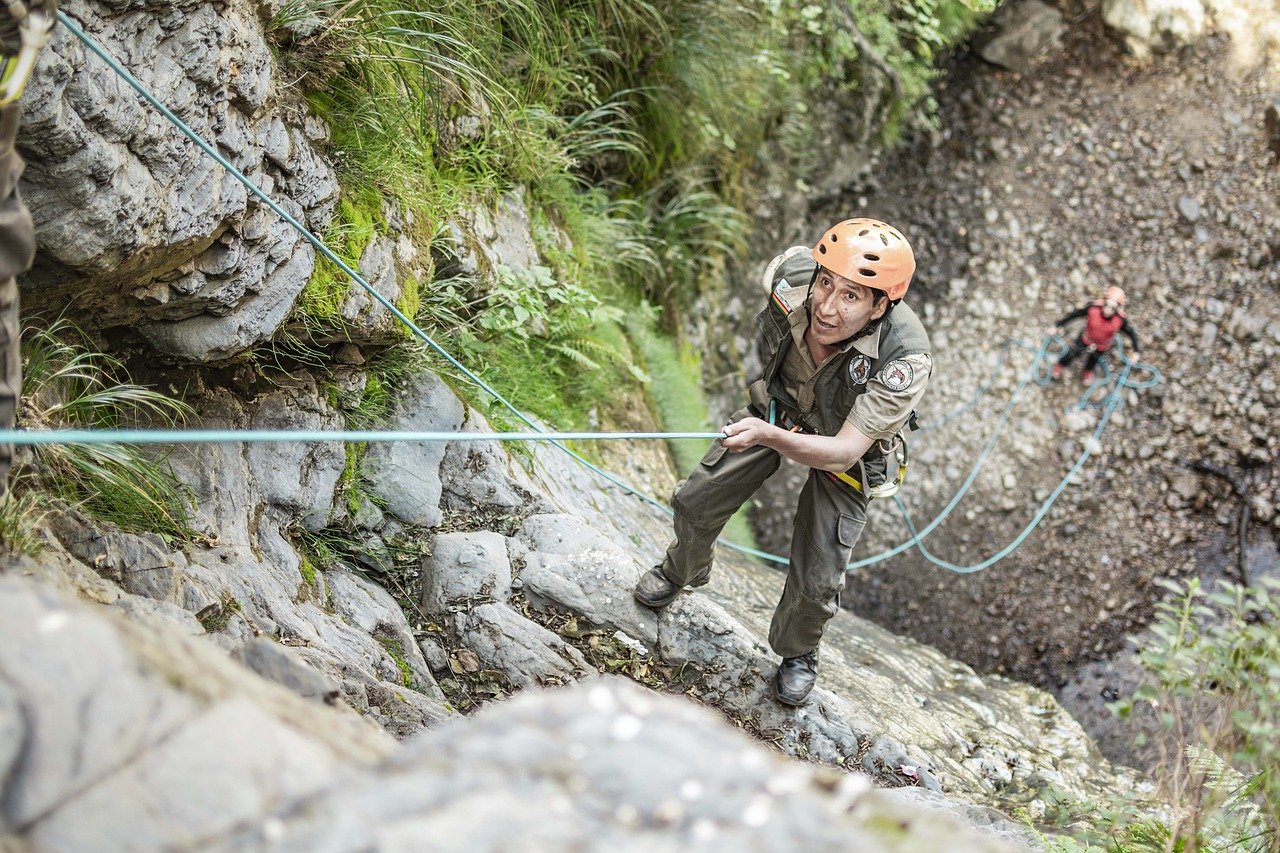
Before you head out to rappel on your own, give yourself a safety net you can actually trust. One of the simplest ways to practice is to rappel while a partner keeps you on a top-rope backup, or gives you a firefighter’s belay from the ground. That means someone below is ready to pull the rope tight and stop you cold if you ever lose control of the brake strand. You get the full feel of feeding rope and controlling your descent, but a slip just means you stop moving instead of something worse. It’s a great way to build confidence before you trust the system with no backup. If you’re still fuzzy on the fundamentals, our beginners guide to rappelling walks through the basics first.
Practice Rappelling in a Controlled Environment
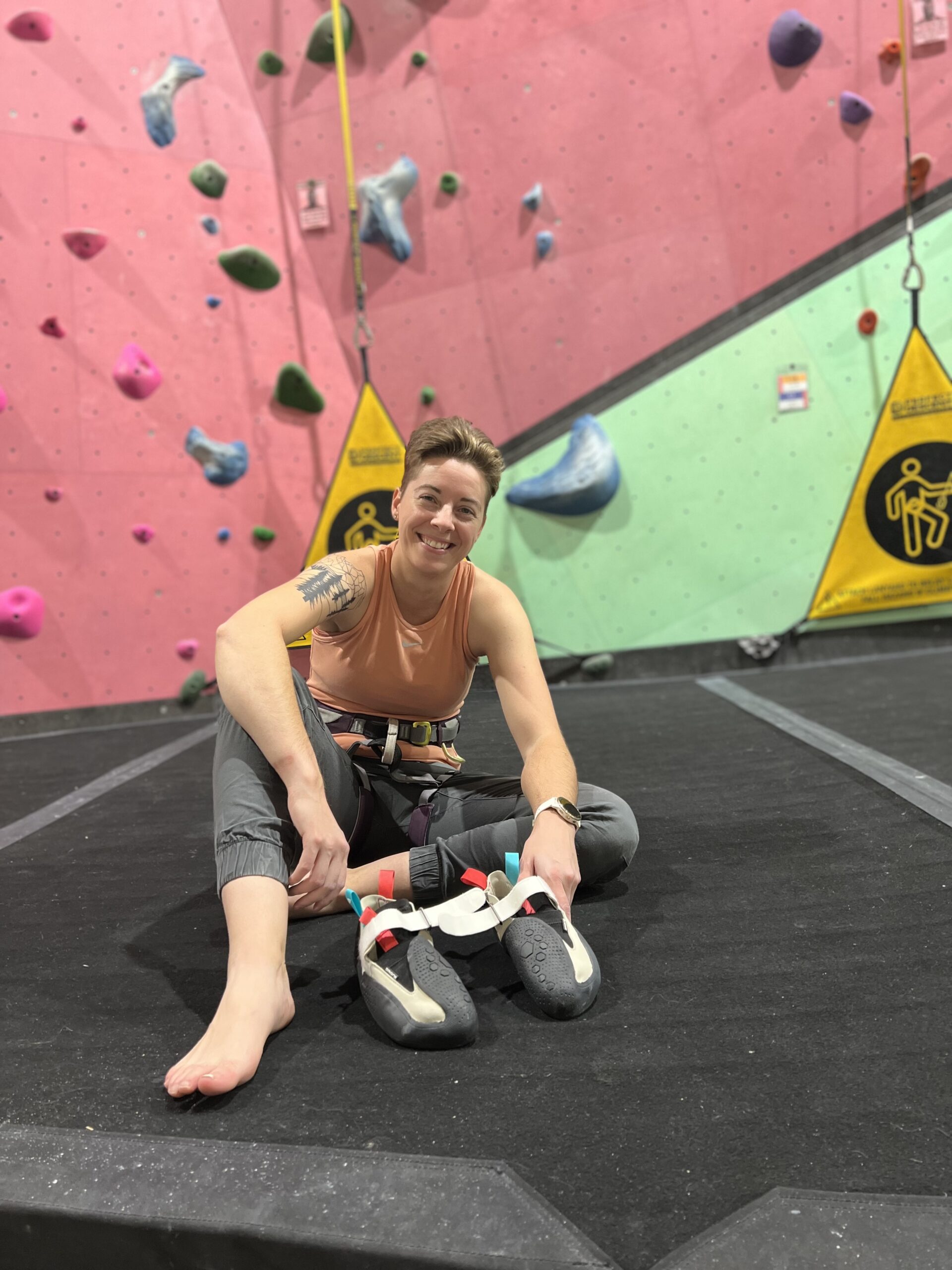
If you want reps without the exposure, a controlled environment is hard to beat. Plenty of gyms, guide services, and outdoor adventure schools run rappelling sessions where the anchors are bomber and an instructor is watching every move. Guided tours hand you the gear and let you practice the technique with an expert a few feet away, so you learn the ropes without guessing. It’s also the safest place to try out different rappelling devices and see what feels right in your hands before you buy your own.
Build Rappel Anchors
Solid anchors are the foundation of every safe rappel, so it’s worth drilling the rope work until it’s second nature. An anchor is the system that ties you to something fixed and holds your weight while you descend. You can practice building and dressing anchors at ground level, rigging them off a sturdy tree, a fixed bar, or a post so you can inspect your work with no consequences. The key word is practice: a chair leg or a light bar is fine for rehearsing knots and rigging, but you never actually weight or rappel off a practice anchor. Save the real loading for anchors you’ve built on gear rated for it. Getting fluent here pays off later, especially when you’re working out how to retrieve your rope after rappelling.
Practice in Your Backyard
If you’ve got a big tree in your backyard or a low branch at a nearby park, you can rehearse the motion close to the ground. Rig a proper anchor, clip in, and practice lowering yourself just a foot or two off the deck. You don’t need much height to groove the movement of feeding rope, keeping your brake hand locked off, and walking your feet down. Staying low keeps the stakes tiny while you dial in the technique, and it’s an easy way to log reps between real trips. Keep a backup in the system even here, and never rig off a branch or anchor you wouldn’t trust with your full weight.
Complete a Rappelling Course
When you’re ready to take it seriously, sign up for a rappelling course through an outdoor adventure school. They provide the gear and, more importantly, teach you the judgment that keeps you safe: reading anchors, managing the rope, and backing up your system. Finishing a course gives you the skills to set up and run your own rappels with confidence. If you want to go deeper on the safety side, read up on the safest way to rappel before your first solo descent.
Rappelling is a blast, but it rewards preparation over bravado. Practice the techniques in controlled settings, keep a backup in the system, and let the movement become boring before you trust it on real terrain. Do that and rappelling turns from nerve-racking into one of the best parts of any climb.
Want a steady drip of skills like this? Send Edition sends one short climbing drill a week, about 15 minutes each, straight to your inbox for free. Grab the free weekly drills and keep building the habits that make hard skills feel easy.
► Beginners Guide to Rappeling
More Like This:
- How To Retrieve Your Rope After Rappeling
- 5 Ways To Practice Rappelling
- Can You Rappel On A Dynamic Rope? Static Vs. Dynamic Rope For Rappelling
- The Best Rappelling Device For Canyoneering
- Comparing Different Types Of Rappeling
- The Best Rope For Rappelling
- Harnesses For Rappeling
- Beginners Guide To Rappeling
- How To Self Rappel With A Grigri
- What Is The Safest Way To Rappel?
Frequently asked questions
What’s the safest way to practice rappelling on your own?
Start with a backup you can trust. Rappel on a top-rope backup or with a partner giving a firefighter’s belay from the ground, and keep your practice close to the deck. Build up to unbacked rappels only after the movement feels automatic and you’ve had solid instruction.
Can you practice rappelling without a cliff?
Yes. You can rehearse the motion in your backyard off a low, sturdy branch or a bar just a foot or two off the ground, or book time at a gym or outdoor school where the anchors are already set. Low-stakes reps build the same muscle memory as the real thing.
Do you need a course to learn to rappel?
You don’t strictly need one, but a rappelling course is the fastest way to learn the judgment that matters: reading anchors, managing the rope, and backing up your system. Most schools provide the gear so you can focus on the technique.
Is it safe to rappel off a tree branch?
Only if the branch and your anchor are strong enough to hold your full weight, and even then keep it low and backed up. For everyday practice, stay close to the ground so a mistake just means you stop moving instead of getting hurt.
How often should you practice rappelling?
As often as you can log low-risk reps. Frequent short sessions in controlled settings build confidence faster than occasional big descents. A weekly skills habit, like the drills in the Send Edition newsletter, keeps the fundamentals sharp.