This post contains affiliate links. If you buy through them, I may earn a commission at no extra cost to you.
I’ve worn a few trail running shoes and the biggest thing for me is fit. Some brands are really wide through the middle of the foot, and my foot is skinny. That extra space lets my foot slide, which is how I pick up blisters. If you’re trying to figure out which new Scarpa Ribelle Run tech is best for you, start with fit, because the fanciest outsole in the world won’t help if your heel is swimming. Try them on with a real running sock, not a thin dress sock from a 20-pack you bought ten years ago. Yes, I’ve done that, and I blame it for some blisters. I haven’t run big miles in these yet, so treat this as a fit-and-use write-up, not a long-term wear test.
Who the Scarpa Ribelle Run is for
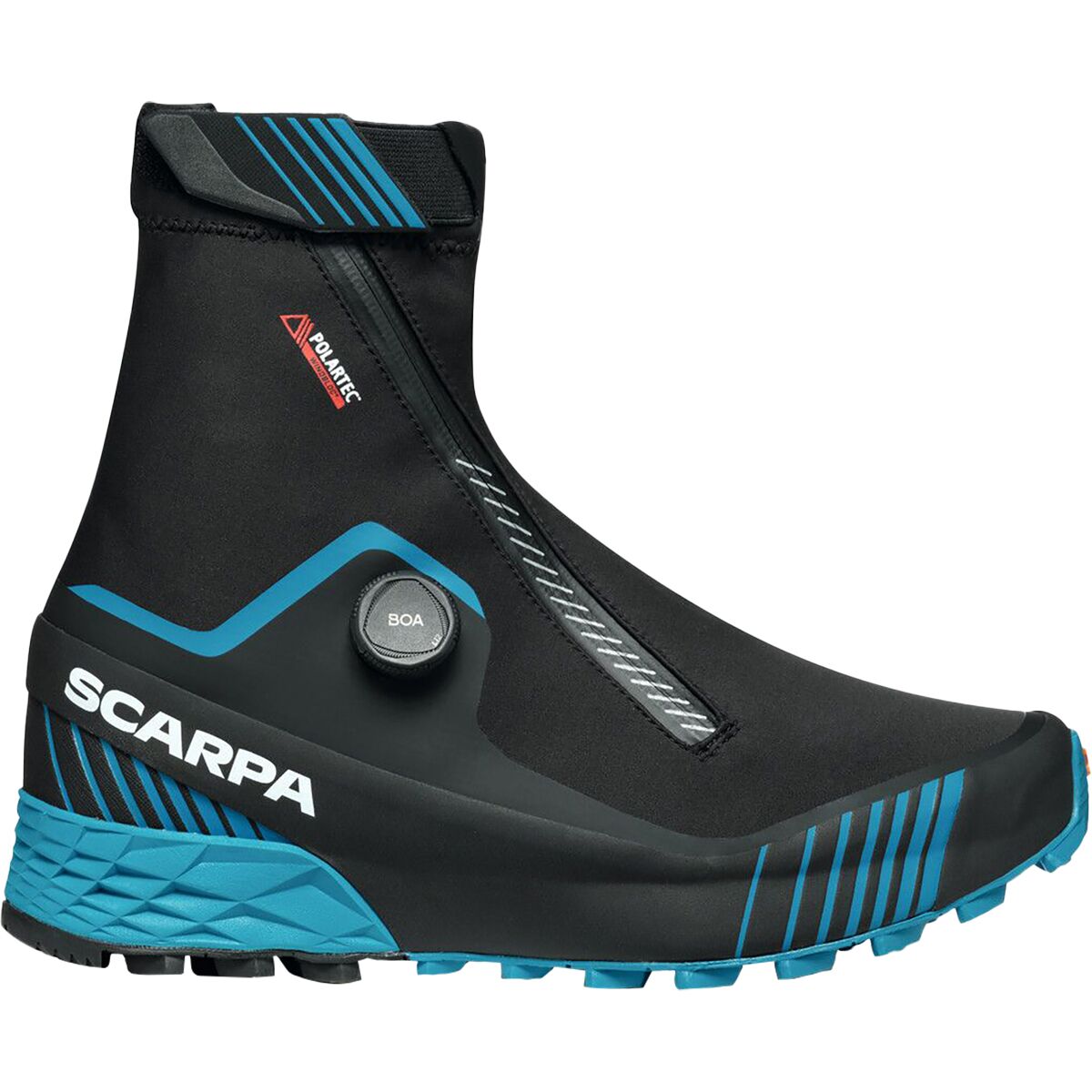
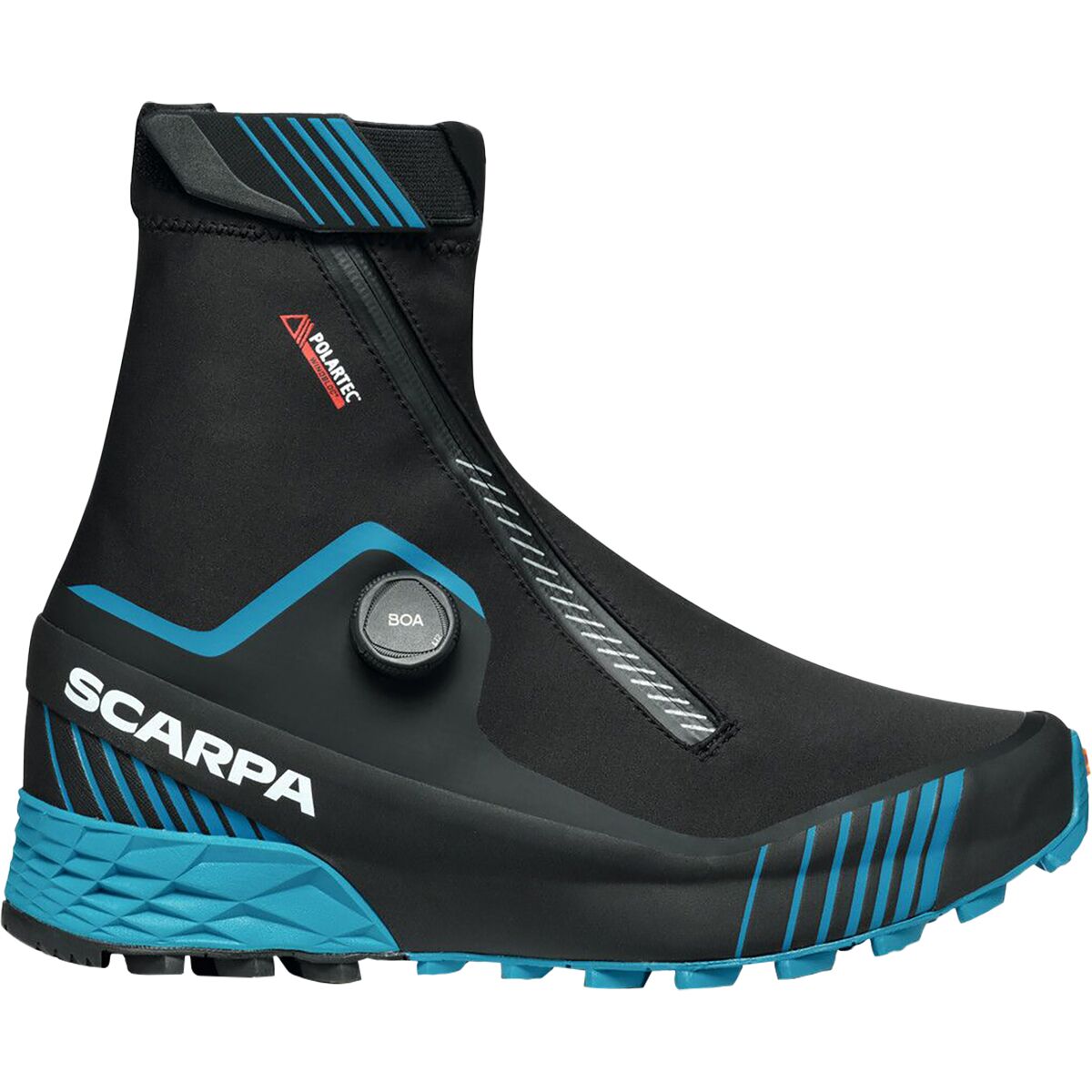
If you’re a climber who approaches on foot, runs trails between sessions, or just wants a shoe that handles technical terrain without feeling like a tank, the Scarpa Ribelle Run Kalibra G sits right in that sweet spot. It’s built for runners who need more grip and stability than a road shoe but don’t want the weight of a full approach boot.
This isn’t the shoe for someone chasing maximum cushion on pavement or a minimalist ground-feel ride. It’s for mixed terrain where you need traction on loose rock, roots, and dirt. If your walk to the crag looks more like a scramble than a stroll, a dedicated approach shoe like the La Sportiva TX Guide is another option worth weighing against it.
Fit and sizing notes
Scarpa tends to run narrow to medium width, especially through the midfoot. If you’ve got a wider foot, try them on before you commit. The Ribelle Run uses a snug heel cup and a more precise fit than a lot of trail runners, which helps on technical descents but means you’ve got to nail the size.
Confirm sizing and the return policy with the shop before you buy. Some climbers size up a half size for longer runs or downhill approaches where your foot slides forward. If you’re not sure what a good fit even feels like, the same rules that make a climbing shoe work apply here, so it’s worth reading up on how a shoe should actually fit before you order.
Sock choice matters
Pair these with a good running sock. Thin cotton socks slide around inside the shoe and cause hot spots, especially if the fit is even slightly loose. A merino or synthetic blend with some structure keeps your foot planted and cuts down on friction. If you’re on the fence about socks at all, here are the reasons socks earn their place in footwear that fits close.
What the Kalibra G outsole does well
The Kalibra G rubber compound is stickier than standard trail rubber. It’s not climbing rubber, but it grips wet rock and slabby approaches better than most running shoes. The lug pattern is aggressive enough for loose dirt and scree without feeling clunky on hard pack.
If you’re scrambling on third-class terrain or picking your way across wet granite slabs on the walk in, this outsole gives you more confidence than a standard trail runner. The moves you use on that kind of low-angle rock are the same ones worth drilling, so a few slab tips pair nicely with grippier shoes.
Drawbacks and limitations
The Ribelle Run is lighter than an approach shoe but heavier than a pure road runner. If you’re only logging groomed trails or pavement, you’re carrying extra weight you don’t need.
The aggressive outsole wears faster on pavement, so save these for dirt, rock, and mixed terrain. If you’re running half your miles on asphalt, you’ll burn through the lugs quickly.
The snug fit is great for technical ground but can feel restrictive on long, flat runs where your foot swells. Some runners want a roomier toe box for all-day comfort, and that’s a fair trade to think about.
How to decide which new Scarpa Ribelle Run tech is best for you
Ask yourself a few honest questions. Do you approach on trails with loose rock, wet slabs, or steep dirt? Do you want a shoe that goes from running to light scrambling without swapping footwear? Do you care more about grip and precision than maximum cushion?
If you answered yes to most of those, the Scarpa Ribelle Run Kalibra G is worth trying on.
If you mostly run groomed trails or want a plush, cushioned ride for long miles, look at a lighter trail runner with more foam. If you need a shoe that handles fifth-class scrambling or hauls a heavy pack, step up to a full approach shoe instead.
If you like breakdowns like this, I send a free weekly email with short climbing drills you can do in about 15 minutes. You can grab the free drills here and keep your footwork sharp between crag days.
Final checklist before you buy
- Try them on with the socks you’ll actually run in, not dress socks or thin cotton.
- Walk around on an incline or stairs to check heel slip and toe room on descents.
- Confirm the return window in case the fit doesn’t work after a short test run.
- Check if your local shop has them in stock so you can compare fit against other Scarpa models or brands.
The Scarpa Ribelle Run Kalibra G is built for climbers who need a shoe that handles technical approaches without the weight of a boot. If that matches how you move, it’s a solid choice.
Frequently asked questions
Which new Scarpa Ribelle Run tech is best for you?
It comes down to how you move. If your runs and approaches cross loose rock, wet slabs, and steep dirt, the Kalibra G outsole and snug, precise fit are the pick. If you mostly run groomed trails or pavement, a lighter, more cushioned trail runner suits you better.
Is the Scarpa Ribelle Run Kalibra G good for approaching to the crag?
Yes, for approaches that involve loose rock, scree, or wet granite slabs. The Kalibra G rubber is stickier than standard trail rubber and handles third-class scrambling with more confidence than a normal running shoe, though it isn’t a replacement for a full approach shoe on harder terrain.
Does the Scarpa Ribelle Run run narrow?
Scarpa tends to run narrow to medium, especially through the midfoot, and the Ribelle Run uses a snug heel cup. If you have a wider foot, try them on first, and consider sizing up a half size for long runs or downhill approaches where your foot slides forward.
Can I run road miles in the Ribelle Run Kalibra G?
You can, but the aggressive lugs wear faster on pavement. If you run more than half your miles on asphalt, you’ll chew through the outsole quickly. Save these for dirt, rock, and mixed terrain.
What socks should I wear with them?
A merino or synthetic blend with some structure. Thin cotton socks slide around and cause hot spots, especially if the fit is even a little loose. A structured running sock keeps your foot planted and cuts friction.