
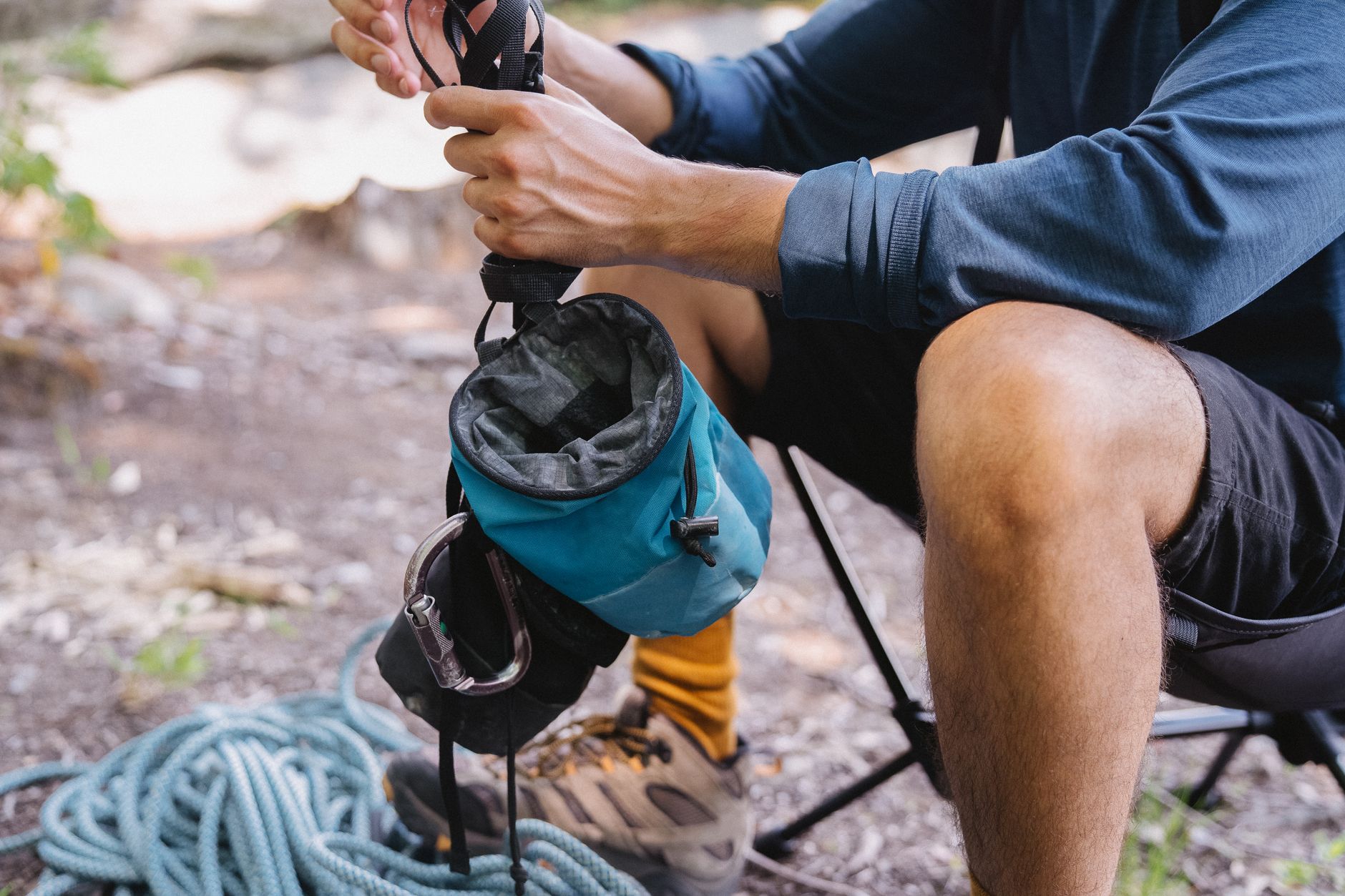
You pull up to the base of a route, flake out your rope, and watch it land in a pile of dirt, pine needles, and loose grit. Ten pitches later that same rope is picking up grime every time it runs through your belay device. A rope bag climbing setup solves that problem before it starts, and it does a lot more than keep your cord off the ground.
If you climb outside more than a few times a season, a rope bag earns its spot in your pack faster than most gear you own. Here is what one actually does, how to pick one that fits your climbing, and what “good value” really means when you are comparing options.
How a rope bag protects your rope from damage
Rope fibers don’t love dirt, UV, or abrasion, and a crag day exposes your rope to all three. Every time your rope drags across rock, gravel, or a parking lot, grit works its way into the sheath. That grit acts like sandpaper on the inside of the rope every time it loads, which shortens the rope’s working life and can affect how it handles falls.
A rope bag solves this with a built-in tarp, usually stitched to the bottom of the bag so it unfolds flat on the ground. You flake your rope directly onto the tarp instead of the dirt, then fold the edges over the rope when you are done to keep it covered between burns. Some bags also block UV exposure when you store the rope inside between trips, since sunlight breaks down nylon over time. The bag itself protects the rope from scuffs and punctures in transit, which matters if you are tossing gear in the trunk or hiking through brush to reach your crag.
How to choose a climbing rope bag for your needs
Picking a rope bag comes down to how you climb and how far you haul gear to get there. A few things to check before you buy:
- Tarp size and shape. A tarp that is too small forces you to flake your rope in a tight pile, which leads to tangles mid-climb. Look for a tarp that gives the rope room to spread out.
- Capacity. Match the bag to your rope length. A 60-meter single rope needs more room than a 35-meter gym rope or a half-rope setup.
- Strap padding. If you are hiking any real distance to the crag, padded straps make a difference you will feel by pitch three of the approach.
- Hip support. A waist strap shifts weight off your shoulders and onto your hips, which matters on longer approaches with a loaded pack.
- Extra pockets. Dedicated space for chalk, a harness, or a few quickdraws keeps your rope compartment separate from gear that can snag or dirty the cord.
I have tried a few rope bags, and what makes the biggest difference for me is whether it keeps my rope organized and clean both while I am climbing and while I am hiking to the crag. As long as it does both of those things, I am happy with it. My first rope bag checked both boxes, a tarp for keeping the rope clean while climbing and a separate space for the rope away from the rest of my gear, but it had no padding on the shoulder straps. I used it for a while anyway. Then I saw a bag with padded shoulder cushions and a waist strap to help hold the weight on my hips, and I jumped ship and paid the extra money for it. Worth every bit of it on the approach to longer crags.
Which rope bag offers the best overall value
Value in a rope bag has less to do with the price tag and more to do with how long the bag holds up and how much it saves your rope over time. A cheap bag with no tarp or thin straps might save you money upfront, then cost you a rope replacement a season later from grit damage, plus a sore back from every approach hike. The better measure is cost per year of use: a bag with a durable tarp, padded straps, and a hip belt earns its price back the first time it saves you from an early rope retirement or a miserable hike-in.
Before you buy, run through this short checklist against your own climbing:
- Does the tarp fully cover your rope size, not just a portion of it?
- Will the straps hold up to repeated loading on approach hikes?
- Does the bag have a drawstring or closure that actually keeps dirt out in transit?
- Is there room for a chalk bag and a few extras without crowding the rope compartment?
Climbers who sport climb close to the car can get away with a lighter, simpler bag. Climbers hiking longer approaches to trad or multi-pitch routes get more value out of the padded straps and hip support, since that is where comfort shows up.
Using your rope bag at the crag
Getting the most out of a rope bag starts with how you flake. Unfold the tarp fully on flat ground before you open the bag’s closure, then feed the rope out in loops so it lands flat instead of in a knotted heap. When you finish climbing, flake the rope back onto the tarp the same way before coiling it, so the last thing that touches the rope is the tarp, not the dirt.
If you are climbing at a crag with a dusty approach, keep the bag closed until you are set up at the base. This is also a good moment to check your rope for any fuzzing or flat spots while it’s laid out in front of you, which pairs well with a normal pre-climb warmup routine where you are already checking knots and gear anyway. Stash a chalk bag, slings, or your belay device in the rope bag’s side pockets so nothing else touches the rope compartment and tracks in grit.
Common mistakes with rope bags
The most common mistake is buying a bag sized for a shorter rope than you climb on, which forces the tarp to shrink the second you flake out a 70-meter cord. Another is skipping the tarp step entirely because packing up feels faster without it, which defeats the entire reason to carry the bag in the first place. Climbers also tend to toss hardware loose into the main compartment, where a carabiner or cam can snag the sheath every time the bag shifts in a pack. Keep metal gear in a side pocket, not against the rope.
Keep going
FAQ
How do rope bags protect climbing ropes from damage?
A rope bag’s tarp keeps your rope off dirt, grit, and rock while you flake and climb, which prevents the abrasive particles that wear down the sheath from working into the fibers. The bag itself also blocks UV exposure during storage and protects the rope from scuffs during transport.
How do I choose a climbing rope bag for my needs?
Match the tarp size and bag capacity to your rope length, check for padded straps and a hip belt if you hike to your crags, and look for separate pockets so hardware and chalk stay away from the rope compartment.
Which rope bag offers the best overall value?
The best value comes from a bag with a full-size tarp, durable straps, and a hip belt, since those features protect your rope over years of use and keep approach hikes comfortable, which saves more money long term than a cheaper bag with thin straps and no padding.
Do I need a rope bag for gym climbing?
Not for gym climbing. Rope bags earn their keep outdoors, where dirt, grit, and approach hikes are part of the day. Indoors, a simple rope coil works fine since the floor is clean and you aren’t hauling gear uphill.
Can a rope bag replace a chalk bag or gear sling?
A rope bag’s side pockets can hold a chalk bag or small gear, but it works best as a dedicated rope carrier alongside your regular belay hardware and chalk setup, not as a full replacement for them.