
This post contains affiliate links. If you buy through them, I may earn a commission at no extra cost to you.
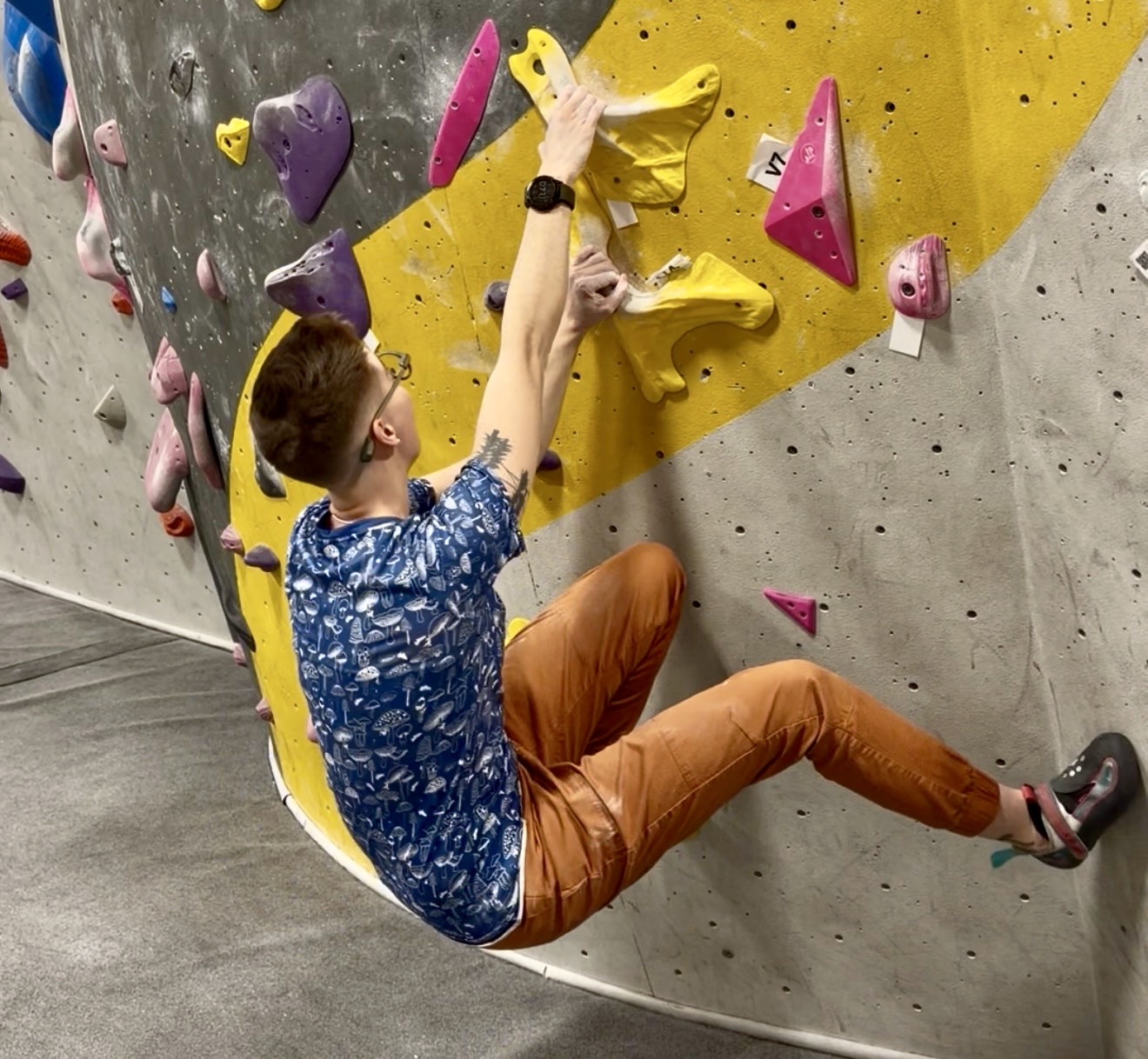
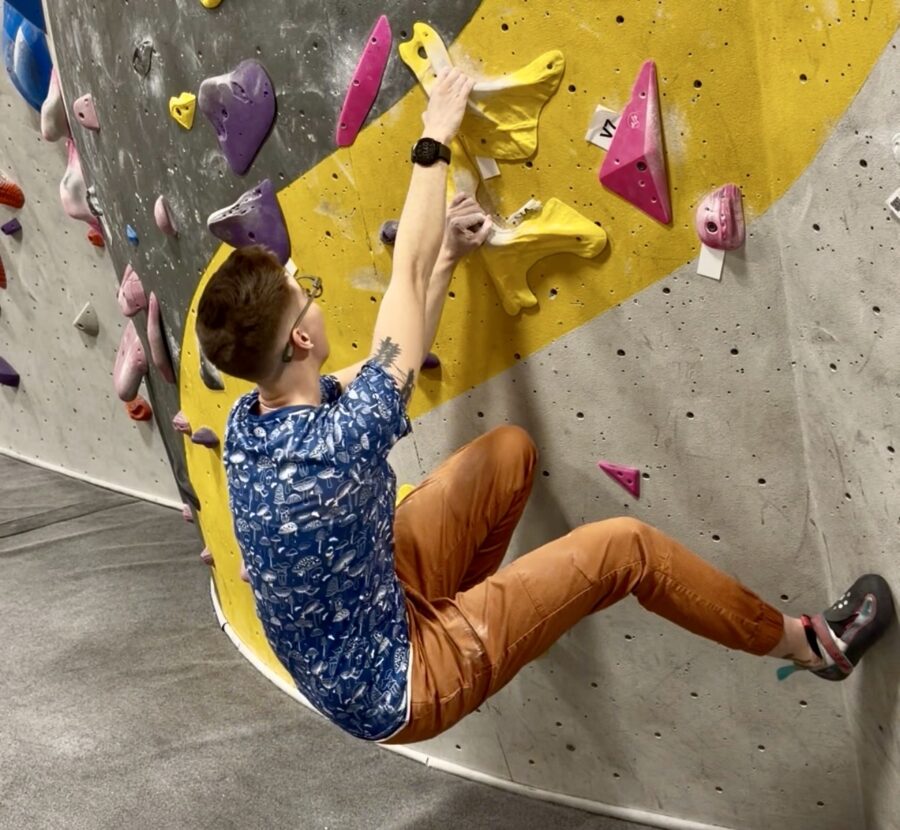
The smearing climbing technique is when you press the rubber of your shoe flat against the wall and let friction hold your foot in place, instead of standing on an actual foothold. There’s no edge to stand on, so you trust the rubber, keep your weight over your foot, and keep moving. It shows up all the time on slab and technical terrain where good body position and a little faith in friction matter more than a big juggy foothold.
If you’ve ever watched someone float up a blank-looking slab and wondered where their feet even were, that’s smearing. It looks like magic the first time, and then you realize it’s mostly just committing your weight and trusting the shoe.
What Is Smearing in Climbing?
Smearing is placing the rubber of your climbing shoe directly against the wall and using friction to hold your weight. Instead of standing on a visible foothold, you press the shoe into the surface and let the grip of the rubber do the work.
Climbing shoes are built with soft, high-friction rubber, so they bite surprisingly well when you apply pressure the right way, and the rubber wants to stick. Your job is to give it a clean, weighted contact and then trust it. It’s one of the first bits of real footwork you’ll pick up, and it pairs closely with the rest of your footwork fundamentals.
When This Technique Shows Up
Smearing commonly appears when:
- Footholds are very small or absent
- You’re climbing on slab or low-angle terrain
- You’re moving across smooth rock or volumes
- You’re adjusting body position between footholds
In these spots, you’re leaning on friction and body position instead of a defined edge. On slab especially, you’ll often have nothing better to stand on, so a good smear is the difference between moving up and sliding off.
How the Smearing Climbing Technique Is Used During a Climb
During a climb, you’ll reach for a smear when you need a bit more balance or when there just isn’t a real foothold where you want one.
Most climbers apply it like this:
- Place the toe and ball of the shoe flat against the wall
- Press downward to load the rubber and build friction
- Keep your hips close to the wall so the pressure stays on the foot
- Adjust your body so your weight stays centered over that foot
A smear works best when you load it smoothly and actually commit. If you tap it lightly or keep bracing to yank your foot back off, you never let the rubber grab. Weight it, trust it, and keep your hips in. This is also where good foot precision pays off, so it helps to know how to actually use your toes rather than slapping the whole shoe on and hoping.
Why Smearing Matters
Smearing lets you keep moving when there’s no real foothold to stand on. When you get it dialed, it can:
- Improve your balance on slab terrain
- Open up more foot placement options
- Cut down on the need for big dynamic moves
- Build confidence on technical climbs
Plenty of climbers struggle with it early on, and it’s almost always the same reason. Trusting friction feels weird when you’re used to standing on a clear edge. That trust comes with reps.
Common Mistakes With Smearing
The usual mistakes look like this:
- Hesitating to commit weight to the smear
- Letting your hips drift too far off the wall
- Applying pressure unevenly across the rubber
- Trying to smear on surfaces with poor friction
Each of these tends to end the same way, with the foot skating off and your balance gone. Fix the commitment and the hip position first, and most of the slipping goes away.
Where This Technique Fits in Progression
Smearing is a foundational climbing technique, especially for slab. You can start learning it early, and it keeps getting cleaner as your balance and body awareness improve.
As you progress, you’ll start blending smears with other movement, like flagging and hip turns, to stay stable on harder terrain. That’s when it stops feeling like a last resort and starts feeling like a tool you reach for on purpose.
Level up your footwork in 15 minutes a week
If you want small, doable footwork drills like this landing in your inbox, that’s basically what the newsletter is. It’s free, it’s about 15 minutes of climbing training a week, and it’s all technique and movement, not fluff. Grab the free newsletter here and start chipping away at your limiters one week at a time.
Related Techniques
Smearing often works together with other footwork and balance techniques such as:
- Using your toes
- Flagging
- Hip turns
- Tripod position
These techniques help you stay stable while relying on friction.
How to Train This Technique
Once you know what smearing looks like and when it shows up, the next step is practicing it on purpose during your sessions instead of only hitting it by accident.
Once you understand the technique, here’s how to train it.
Explore the Full Technique System
For a complete breakdown of climbing techniques, see
Climbing Technique Fundamentals: 22 Essential Techniques Explained.
Frequently asked questions
What is smearing in climbing?
Smearing is when you press the rubber of your climbing shoe flat against the wall and use friction to hold your weight, instead of standing on a defined foothold. It lets you keep moving when the footholds are tiny or nonexistent.
When should I smear instead of using a foothold?
Smear when there’s no good foothold where you need one, which happens a lot on slab and low-angle terrain, on smooth rock, and when you’re crossing volumes or shifting your body between holds. If there’s a solid edge to stand on, use it. The smear is for the blank spots in between.
Why does my foot keep slipping when I smear?
Usually it’s one of a few things. You’re partially committing your weight, your hips are drifting too far off the wall, you’re loading the rubber unevenly, or the surface just has poor friction. Commit the weight, keep your hips in close, and press the shoe down smoothly and evenly.
Is smearing a beginner technique?
Yes, it’s a foundational technique you can start learning early, especially for slab climbing. It just keeps getting more refined as your balance and body awareness improve, and eventually you’ll blend it with flagging and hip turns on harder terrain.
Do I need special shoes to smear well?
Any climbing shoe with clean, high-friction rubber will smear. Softer, stickier rubber tends to feel more forgiving on slab, but technique matters more than the shoe. Committing your weight and keeping your hips close will do more for your smears than any gear upgrade.
Feet you can trust
Smearing is the friction end of footwork. The Footwork Precision guide covers placement, heel angle, slab and smearing, and why most foot slips are a hip problem.