If you’re reading this, you probably already know rest days matter. But knowing that and actually using them well are two different things. Here are 7 things climbers should do on rest days to improve climbing performance, so those off days actually move you forward instead of just sitting there. For most of us the general consensus, among climbing athletes and the studies, is that you climb 3 to 6 days a week.
The 1 to 4 days you aren’t climbing should be rest days, meaning non-training days. A rest day is any day that isn’t dedicated to training, and it usually keeps the physical work off the muscles you trained. Since climbing is basically a full-body workout, that leaves very low-impact movement and no climbing-specific work, hangboarding included. If you’re not sure how many climbing days you should be running in the first place, it’s worth reading how many days you should climb per week before you plan your rest.
Some people figure a rest day means staying in bed or watching TV during your usual training block. That’s not it. To get the most out of your rest days and actually climb your best, here are the seven things you should be doing.
The 7 things climbers should do on rest days to improve climbing performance
1. Foam Roll Your Muscles
Foam rolling is a great tool for recovery, injury prevention, and even for reducing fatigue-related muscle issues. When I started digging into this article, I was surprised how many studies have looked at foam rolling, and honestly a bit overwhelmed by what they showed.
One study found that foam rolling substantially reduced muscle soreness at every time point while improving range of motion. Range of motion matters so much in climbing that I’m surprised I don’t see more climbers, myself included, rolling out at the gym.
Another study suggested foam rolling is regenerative for the muscles and helps prevent muscle fatigue, which are two of the big reasons we take rest days in the first place. So you can boost recovery and fatigue prevention on your rest days even more. If you want to go deeper on this one, we broke down whether foam rolling improves rock climbing performance and what the science actually says.
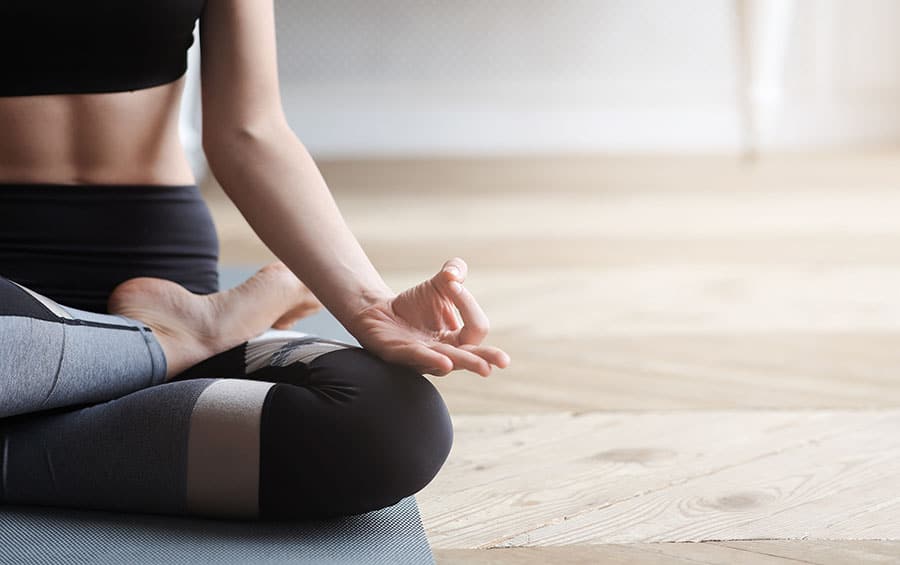
2. Meditate
Climbing is a mental-heavy sport, so training your head can help your performance just as much as training your body. Meditating is one of the simplest ways to work on that.
You’d benefit from meditating every day, not just on training days, but it’s usually easier for climbers to start a few times a week, like on rest days, and build up to daily from there.
For climbing, meditation is a great way to train your brain to respond to different scenarios the way you want it to. If you tend to overgrip at 15 feet off the ground, for example, meditating is a good way to work through that and build a new response you can test on your next session. There’s a lot more you can do here, and our full guide to mental training for climbing is a solid next step.
3. Drink Water
No surprise that drinking water is important, but with lactic acid build-up (the stuff that makes you sore) hanging around in recovering muscles, water intake helps a lot with flushing it out.
Generally you should be drinking eight 8oz glasses of water a day, though age and weight shift that a bit. Water doesn’t just cut soreness, it can also help increase energy levels, help you manage weight, and improve performance.
4. Take Naps or Sleep In
Remember how I just said not to sleep all day or sit on the couch? Studies have shown that excessive sleeping can actually decrease your ability to train, but it’s still important to get the full amount of sleep your body needs.
If you usually wake up an hour or two earlier on training days, think about sleeping in for half an hour, or however long you need to hit your full amount. If mornings aren’t ideal for that, take a nap or go to bed earlier instead.
Most adults need somewhere between 6 to 8 hours of sleep, and if you don’t already know your number, it’s worth testing.
For 2 weeks, try strictly getting 8 hours and record how you feel in the morning and at night before bed. Then drop to 7.5 hours for the next stretch, then 7, then 6.5, then 6. After about 10 weeks you’ll have a pretty good idea of how much sleep you actually need.
5. Yoga
Yoga and climbing go hand in hand. It’s a great way to stretch your muscles and improve your flexibility and range of motion, and it also builds the mental focus climbing asks for. That makes it one of the best ways to warm up and stretch out on rest days while getting a little extra mental training we can all use. If you want something structured, our lower body mobility and flexibility challenge is a good rest-day option.
People who don’t do yoga often worry about the flexibility it seems to require, but almost every yoga move can be modified, and different flows (routines) suit different strengths and weaknesses. Yoga really can be for everyone.
6. Eat Protein
One of the most important things you can do on a rest day is get enough protein and eat in a way that supports muscle growth and recovery. Studies have shown protein intake is most effective when you spread it out at regular intervals, roughly every 3 hours.
High-performing athletes usually decrease carbohydrate and protein intake on rest days compared to training days, but they still snack and eat meals consistently through the day. That keeps them recovered from the last sessions and ready to perform on the next one.
7. Cardio
Cardio and climbing have a different relationship than most sports. Cardio is popular for improving respiratory and heart function. Climbing helps with heart function, but it doesn’t push your respiratory rate up much, so it isn’t much of a respiratory workout.
That’s why it’s worth supplementing climbing with some kind of cardio, like walking, running, or cycling. Rest days are the perfect time for it, because it gives you the respiratory training you’re missing and also warms up the body, which is good for muscle recovery.
A quick note on that first line. Rest doesn’t mean doing nothing, it means doing the right easy things. If you’re still sore going into a session, it helps to know whether bouldering when sore is bad before you jump back on the wall, and to recognize the signs for when you actually need a rest day in the first place.
Rest days are also a great time to keep your head in the game without loading your fingers. If you want short, structured sessions to plug into your week, the Grip & Grind app is built for exactly that, and you can save the hard climbing for your training days.
If you want more like this, we send weekly climbing drills you can knock out in about 15 minutes, and it’s free. Grab the free newsletter here and level up your climbing 15 minutes at a time.
For the pros and cons of rest days, check out this article: Pros and Cons of Rest Days and Climbing Every Day
Frequently asked questions
How many rest days do climbers need each week?
Most climbers do well climbing 3 to 6 days a week, which leaves 1 to 4 rest days. Rest days are non-training days that keep heavy work off the muscles you trained, hangboarding included.
What should you actually do on a rest day?
Rest doesn’t mean lying in bed all day. Good rest-day habits include foam rolling, meditating, drinking water, getting your full sleep, doing yoga, eating enough protein, and some light cardio like walking or cycling.
Should you do cardio on rest days?
Yes. Climbing doesn’t raise your respiratory rate much, so light cardio like walking, running, or cycling fills that gap. It also warms up the body, which helps muscle recovery, making rest days a good time for it.
Is it okay to train hard on a rest day?
No. A rest day should stay low impact with no climbing-specific work. The point is to let the muscles you trained recover so you show up ready for your next session, not to sneak in extra load.
More About Training for Climbing:
- How To Climb More Often Without Getting Injured | Tried And Tested Methods For Recovery
- Lower Body Mobility And Flexibility Challenge
- Neglected Techniques Necessary For V4-V5 Progression
- 17 Footwork Drills For Climbing
- Mental Training For Climbing
- How Often And Hard Should You Climb To Get Gains?
- When Should You Start Hangboarding For Boulder’s
- Is Bouldering When Sore Bad?
- The Top 22 Climbing Techniques And Skills And How To Do Them
- 23 Tips For Climbing Slabs
- When To Flag In Climbing And How-To-Do It (With Videos)
- How To Learn Climbing Technique For Beginners
- What Should You Record In A Climbing Journal?
- Climbing Endurance: Muscle, Skin And Mental Training
- How To Deal With Fear Of Falling
- How Many Days Should You Climb Per Week?
- 5-10 Minute Warm-Up For Climbing
- What Is A Dyno And How To Do It
- What Is A Gaston In Climbing? Powerful Moves For Beginners
- Can Foam Rolling Improve Rock Climbing Performance?
- 7 Things Climbers Should Do On Rest Days For Better Performance
- When Do You Need A Rest Day?
- How To Climb Your Best – Pros And Cons Of Rest Days
- Static Vs Dynamic Climbing Movement: Pros And Cons
- 5 Habits For Healthy Climbing That You Haven’t Thought Of
- 5 Things To Improve Climbing Performance And Sustainability
- 10 Minute Workout Routines For Post Climbing Sessions
- How To Use Climbing Holds: Techniques For Improved Climbing
- A Guide For Climbers: Bouldering Drills 101
- 12 Easy Workouts To Increase Hand And Grip Strength For Climbers
- What Are Undercling Climbing Holds And Why Climbers Love/Hate Them
- What Is A Crimp In Rock Climbing And How To Train For Them
- 7 Common Mistakes in Rock Climbing For Beginners