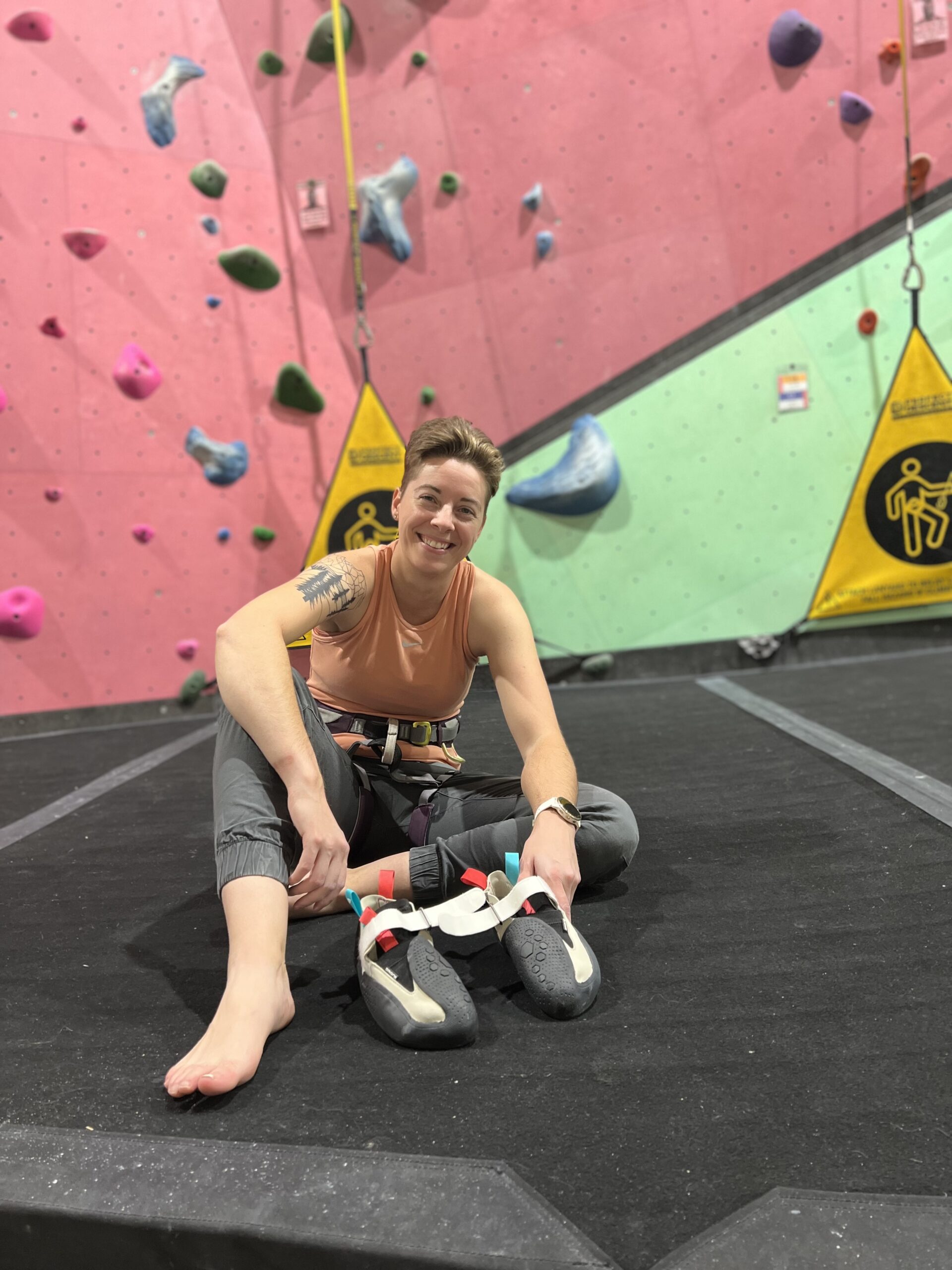
Hip turns are a fundamental climbing technique used to improve reach, balance, and efficiency. By rotating the hips toward the wall, climbers can position their bodies closer to the next hold while using less upper-body strength.
This technique appears on nearly every climb and is especially helpful when holds are offset or when additional reach is needed.
What Are Hip Turns in Climbing?
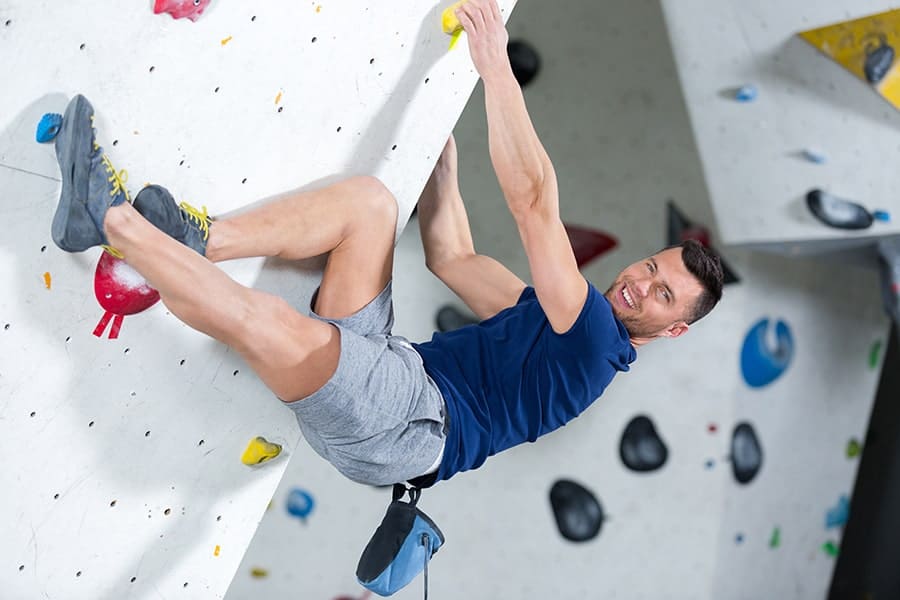
Hip turns involve rotating one side of your body toward the wall so that your hips, knees, and toes point in the same direction as the movement. Instead of facing the wall directly, climbers turn slightly sideways to improve positioning.
This change in body orientation allows climbers to move more efficiently and maintain better balance while reaching for the next hold.
When This Technique Shows Up
Hip turns appear frequently when:
- Holds are positioned diagonally or offset
- Extra reach is needed without jumping
- Climbs require precise body positioning
- Moving sideways across the wall
On vertical and slab climbs, hip turns are especially useful because they allow climbers to stay close to the wall while maintaining balance.
How This Technique Is Typically Used During a Climb
During a climb, hip turns are usually used to extend reach and improve balance.
Climbers typically use this technique by:
- Pivoting on the toe of the foothold
- Rotating the hip of the stepping foot toward the wall
- Aligning the knee and toe with the direction of movement
- Reaching with the hand on the same side as the turned hip
This positioning brings the body closer to the wall and allows climbers to move upward with less strain on their arms.
Why Hip Turns Matter
Hip turns help climbers move efficiently by improving balance and positioning.
When used correctly, this technique can:
- Increase effective reach
- Reduce the need for dynamic movement
- Keep the body closer to the wall
- Shift effort from the arms to the legs
Many climbers discover that learning to turn their hips dramatically improves their ability to move smoothly through difficult sections.
Common Mistakes With Hip Turns
Some common mistakes climbers make include:
- Turning the hips without pivoting the foot
- Keeping the body square to the wall
- Not shifting weight onto the foothold before reaching
- Twisting the knee instead of rotating from the foot
These mistakes can reduce stability and increase strain on the knees.
Where This Technique Fits in Progression
Hip turns are a foundational climbing technique that beginners can start learning early. As climbs become more technical, this movement becomes even more important for maintaining efficiency and conserving energy.
Climbers continue refining hip positioning as routes become steeper and movement becomes more complex.
Related Techniques
Hip turns often work together with other balance and positioning techniques such as:
- Using your toes
- Flagging
- Straight arms
- Tripod positioning
Together, these techniques help climbers move with greater control and efficiency.
How to Train This Technique
Once you understand what climbing with hip turns looks like and when it appears, the next step is practicing it intentionally.
Once you understand the technique, here’s how to train it.
Explore the Full Technique System
For a complete breakdown of climbing techniques, see
Climbing Technique Fundamentals: 22 Essential Techniques Explained.