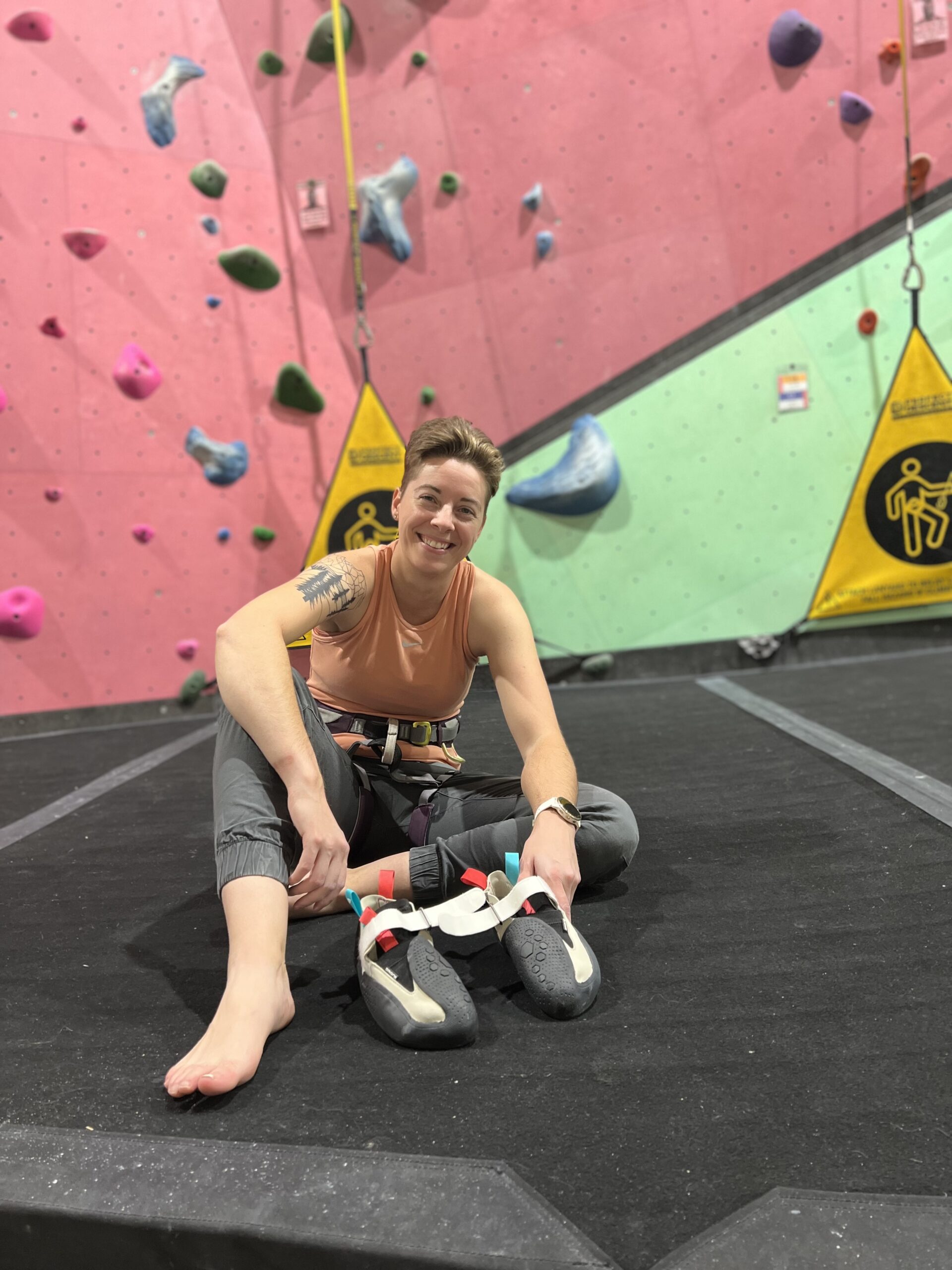
Sometimes I wonder what it’d be like to train for climbing full-time. But I’ve got other priorities that get in the way, and honestly, making space for climbing when life seems chaotic is the puzzle I keep coming back to. Who can relate?
My routine has gone through a few changes as I try to balance my day job, Send Edition, coaching climbing, and time with my wife and dog, plus everything else that comes with life outside of climbing.
Sticking to a weekly plan of climbing on Tuesday, Thursday, Friday, and sometimes Sunday has turned out to be harder than I thought.
It’s always a choice, of course. Last week, for example, a friend invited me to climb on Wednesday. Instead of sticking to my training plan, I joined her. But my fingers were toast the next day, so I took Thursday off.
If I want this training to last a full year and be happy at the end of it, I can’t be rigid, right?
Analyzing My Goals and Setting Priorities
Listening to interviews and conversations with people who’ve been training for years, they consistently say that rigid training plans get results for a reason.
According to them, if a friend invites me to climb on Wednesday and I know it’ll stop me from safely training on Thursday, then I should say no to my friend.
To some, this might seem like a no-brainer. But for me, it feels like a war between personal relationships, fun climbing, and going for a training goal. If you’ve ever wondered whether dedication and focus are the only keys to reaching your climbing goals, you know how tangled this gets.
A book I’ve been reading lately says I need to prioritize my goals over everything else. If climbing training is my top priority, then anything below that is a lower priority, and I should treat it that way.
The book is called “The 10X Rule: The Only Difference Between Success and Failure” by Grant Cardone.
Its premise is that extreme success requires massive action. It also digs into the idea that if a goal is massive and extreme enough, nothing will stand in your way from taking the extreme actions needed to reach it.
That makes sense. But where do my friends and fun climbing land on my priority list? That’s one of the things that’s so hard about this.
Learning from My Past to Make Decisions About the Future
Less than a decade ago, I put my work life ahead of my personal relationships. I regularly worked 60+ hours a week and even thought about work while lying in bed trying to fall asleep.
I lost touch with pretty much everyone and had little time for my marriage. Needless to say, I wasn’t in love with my life.
At some point, I recognized the situation I was in and traced it back to being dependent on someone else to make an income. So I started Send Edition, a blog for beginner climbers.
The goal was to make enough money through my own means so I could quit my 60+ hour life-sucking job. But I wouldn’t build it at the expense of any more time away from my marriage, so I started waking up 2 hours earlier every day.
It seemed ridiculous at the time. I was getting less sleep and not making money from Send Edition (it took almost a year to earn $25, which was well below the cost of running it).
But it put me in the headspace I needed to realize something: I could afford a less-than-60-hour-week job. It’d be hard financially, but it was possible.
So I quit my job and took a 30% pay cut with a new position elsewhere. We felt tight on a budget, but the new job let me spend time with my wife while also building Send Edition. My wallet suffered, but my marriage and my physical and emotional well-being improved.
I realized my priorities put money well below my marriage and well-being. But what does that mean for climbing training?
In My Annual Exam, the Doctor Said My Physical Well-Being Is Good
Though I’m at higher risk for certain diseases because of genetics, my current condition doesn’t put me at any higher risk for those things.
If I keep on as I am, I’ll be fine. That’s not very motivating, is it?
Here’s the thing though: I’m turning 30 this weekend (woohoo, I’m all grown up now, right? lol).
According to a lot of research on the topic, on average, people lose about 1% of their muscle mass each year between the ages of 30 and 70. So I have to train just to hold onto the muscle I’ve got.
Here’s the problem: I can’t afford to lose muscle. And honestly, I could use more.
Remember how I said my emotional and physical well-being improved when I changed jobs and took that pay cut? Part of the reason it improved was that my physical activity went up, because I finally had time for it. That’s a big part of why climbing is such a great alternative to a traditional workout for me.
I like doing things like hiking, climbing, and paddleboarding. I’d also like to learn new stuff like scuba diving or something fun like that. I’m only 30, and I still have so much to see and do!
Aligning My Training Goals with My Overall Priorities
My training goal to transform my body and climb in one year is close to my overall priorities, but it doesn’t line up perfectly. At least, that’s true if I look at my training as purely physical and emotional well-being.
Sure, it’d be awesome if my abs were toned. A stronger, more toned body would make every activity I do less strenuous.
But I’m already enjoying those activities without the extra strength or a healthier body. So bumping up the priority of my climbing training wouldn’t make that big of a difference.
If I put climbing training higher than it is right now, I’d only hurt the things I deprioritize because of it. This tug of war is as much mental as it is physical, which is one reason I’ve come to see mental training for climbing as its own skill worth working on.
Sometimes a Bigger Picture Motivates Us to Prioritize Differently
Everything up to this point has been all about me. My health, my relationships, me, me, me.
I’ve been sharing my climbing journey on Send Edition for over 4 years, and in those years, I’ve helped thousands of beginner climbers get better at climbing and feel more confident. I’m so grateful that’s been the case.
But 98% of the people I’ve helped already climb.
The physical benefits of climbing are part of why I’m so drawn to the sport. But most people don’t know anything about climbing, except what they see in the Olympics.
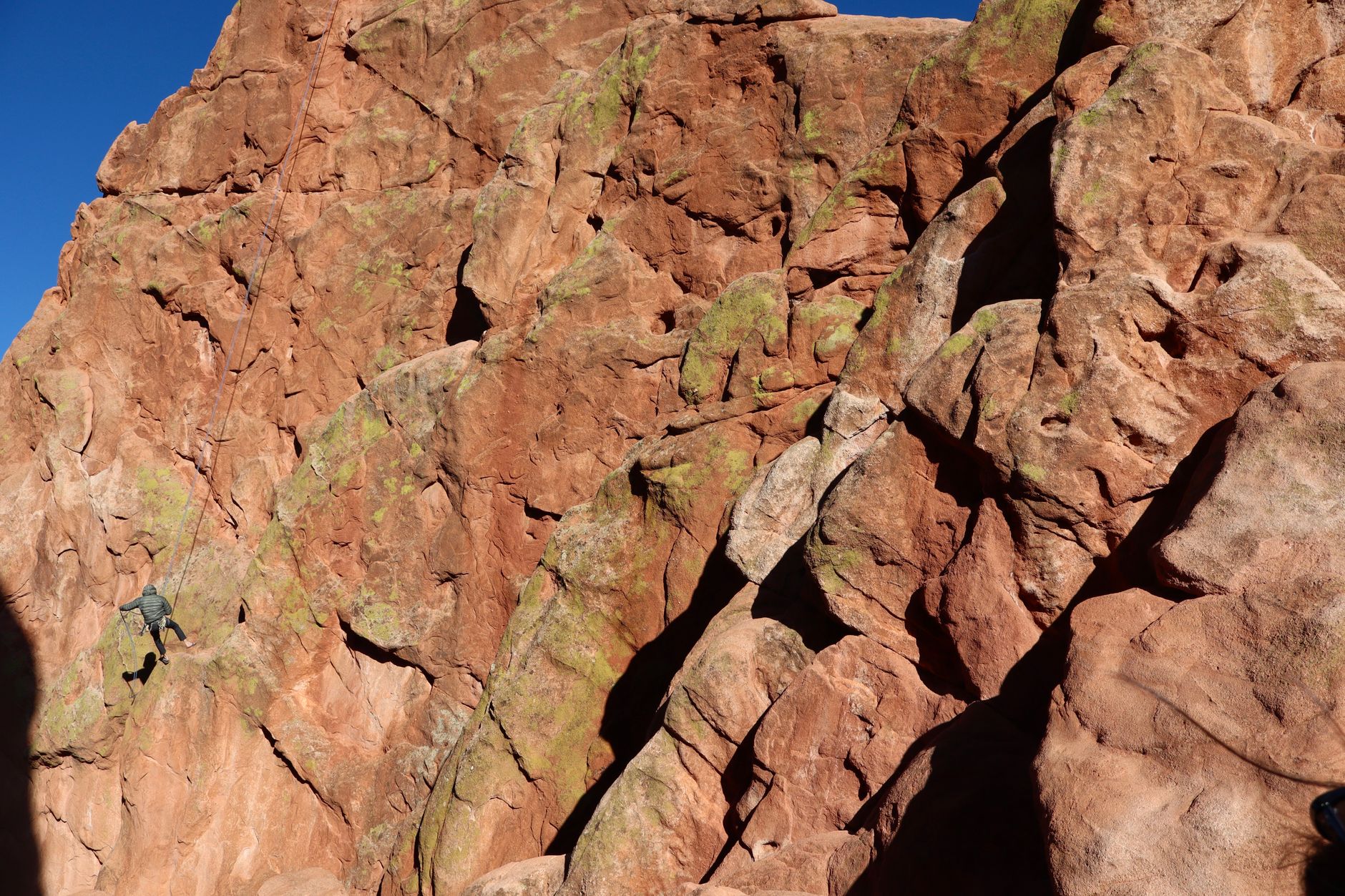
I remember seeing climbers for the first time in my life at Zion National Park on some of the biggest cliffs in the U.S. and thinking that only special people could do it.
For the record, climbing those cliffs is probably a “special people” kind of thing, so I’m talking about climbing in general.
Climbing is for everyone. I firmly believe that. And it can help anyone get healthier and more confident.
What if one person who’s struggling to go to a regular gym sees me get more fit from climbing?
They could, in turn, visit their local climbing gym and try it out. Imagine what it’d be like if climbing helped them reach their fitness goals and live a longer, healthier life because of it.
Maybe that person would share their journey with friends and family, and in turn, help another person live longer and healthier.
It could be the butterfly effect. The ripples from one person motivating another to make changes in their life to help hundreds, maybe thousands, of others do the same.
With this project, I see a chance to nudge people outside the climbing community to try climbing.
Showing people the possibility of getting strong and healthy through climbing in a year could be the butterfly wing.
Is a Small Transformation Enough?
For my own well-being, a small transformation is enough. But if I want to make waves with a butterfly wing, it has to be big.
Most people don’t care about small changes. They want to see life-changing transformations. It’s the life-changing transformations that motivate the most action. So I have to make a life-changing transformation. If you want to actually see whether your own changes are working, it helps to track your climbing progress so you know what’s moving the needle.
How I’m Making Space for Climbing When Life Seems Chaotic
I have to change my life to make a life-changing transformation, right? In a way, yes. I have to re-prioritize my training goals and change my life to see this transformation through.
Luckily, the compound effect is going to help. Small changes can add up to big differences. I’m using that to my advantage, and there’s plenty of science around physical fitness to back me up along the way.
If short, practical sessions are what you need to keep climbing in a busy week, that’s exactly what I share in my free weekly newsletter: 15-minute climbing drills you can do just about anywhere. You can grab it here: Level up your climbing with 15 minutes of training.
When you think about the weight of your priorities, it’s worth lining them up with your passions and goals. If climbing lines up with your vision for personal growth, well-being, or even making a broader impact, don’t let anything stand in your way.
Embrace the challenge, commit to your path, and let your dedication to climbing guide you toward the transformation you’re after.
Whether it’s the joy of the climb, the community you build, or the ripple effect you create by inspiring others, going after climbing wholeheartedly can lead to real changes in your life and beyond.
Or at least, that’s the hypothesis I’m using to move forward and prioritize climbing. It’s still not at the top of my list, but it’s a lot higher than it was.
This is part of the Super Secret Project: transforming my body and climbing by climbing in one year. You can learn more about it here. If you want the numbers behind it, I shared my first weigh-in, measurements, and benchmarks too.
Frequently asked questions
How do you make space for climbing when life feels chaotic?
For me it comes down to priorities and small, repeatable changes instead of one big overhaul. I set a loose weekly plan (Tuesday, Thursday, Friday, and sometimes Sunday), stay flexible when life pushes back, and lean on the compound effect so little sessions add up over a year.
Should I follow a rigid training plan or stay flexible?
Rigid plans get results for a reason, and experienced climbers swear by them. But if a strict plan costs you your relationships or the fun of climbing, that trade-off might not be worth it. I try to keep my plan firm enough to make progress and loose enough to say yes to a Wednesday climb with a friend now and then.
Why does turning 30 change how I think about training?
On average, people lose about 1% of their muscle mass each year between the ages of 30 and 70. So once you hit 30, some training is just maintenance to hold onto the muscle you already have, which is a big reason I stopped treating climbing as optional.
Is it worth prioritizing climbing over other things?
That depends on where climbing sits among your priorities. For me, money ranks well below my marriage and my well-being, and climbing keeps climbing that list because of the health, the fun, and the chance to inspire other people to try it. It’s still not number one, but it’s a lot higher than it used to be.