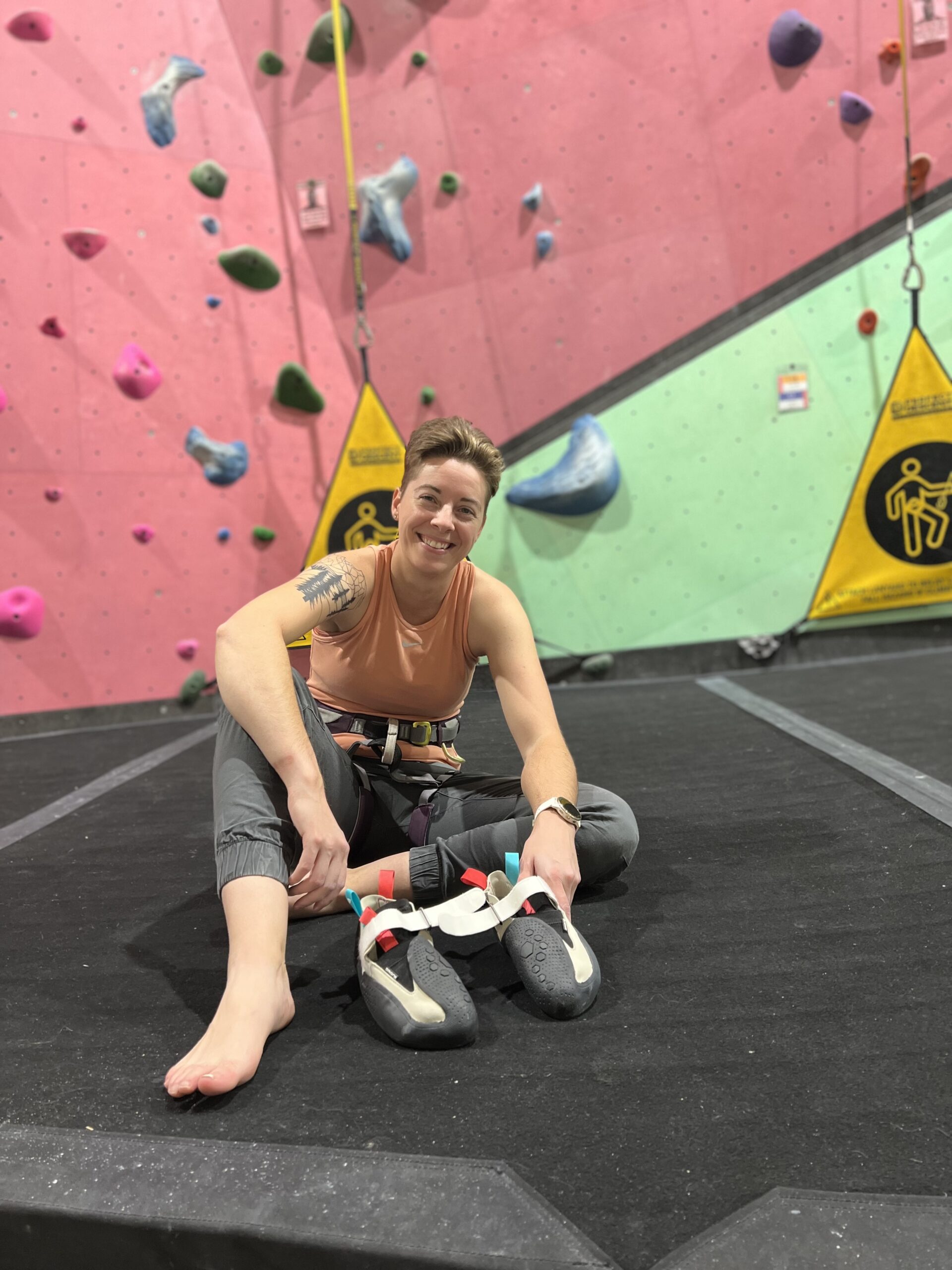

Can you transform your climbing and body without traditional training like weightlifting and hangboarding? That’s the exact question I’m putting to the test. Today marks the end of week 1 of my new training regimen, a path less traveled in the climbing world. Instead of the usual mix of weightlifting, cardio, and hangboarding, I’ve stuck entirely to on-the-wall climbing drills from my book, ‘77 Drills to Help You Climb Better.’
These drills cover skills, techniques, strength, and endurance, so I’m getting a well-rounded approach to climbing fitness while keeping the whole thing fun and engaging. If you’ve never leaned on drills before, this breakdown of why climbing beats a traditional workout is worth a read.
I went with climbing-based exercises because they line up with why I started climbing in the first place: to skip the monotony and impersonal feel of a regular gym, and to get away from the judgmental gym culture that never sat right with me.
Climbing grabs both my mind and my body. It gives me a workout that changes every session and keeps me solving problems the whole time.
My goals are twofold: to break into new grades, aiming for a V8 or even a V9, and to reshape my physique, especially chiseled abs, arms, and shoulders.
That would boost my climbing and my confidence at the same time.
Before this, my training was hit or miss. I’d mix in some climbing drills with the odd weight session like deadlifts and pull-ups. The problem was consistency. I’d almost always pick a fun day on hard routes with friends over a structured workout.
This new regimen is a promise to myself, to show up week after week and see where a focused, climbing-centric approach can actually take me.
But first, why am I doing this now?
As I get close to turning 30, I’ve hit a crossroads a lot of people will recognize. My body’s sending me the quiet-but-clear signals that it’s time to rethink the carefree habits of my twenties.
The late nights, the endless dining out, and letting exercise slide with no obvious consequences? Those days are done.
These days, when I look in the mirror, the extra weight and the fat around my lower back and belly aren’t just souvenirs from the past. They’re a wake-up call. This isn’t only about looks. It’s about staying functional and being able to keep climbing without injuries or early fatigue dragging me down.
With my 30s coming up, I want to reclaim my health and redefine it through the thing I love most, climbing. This journey is about proving that a real transformation can happen at any age, and that climbing can shape a body and steady the mind in ways a standard workout might never touch. If you want a look at how I fit all this around real life, here’s how I make space for climbing when life gets chaotic.
Still, standing at the start of this, I’m holding a mix of excitement and fear. The upside of change sits right next to the scary question: What if it doesn’t work?
That’s a question I don’t have a clean answer to yet.
What does this training regimen look like, and for how long?
At the heart of this is a commitment to consistent gym visits, 3 to 4 sessions a week over the next year. That consistency is what lets me actually judge whether a climbing-focused regimen works. If you’re wondering how much climbing is enough, this piece on how often and how hard you should climb to get gains is a good gut-check.
Each week balances intensity and fun: two sessions go to strength and endurance drills, one to sharpening technique, and one is purely for fun, climbing with no training agenda at all.
This past week I had to adapt and skip my fun day because I was fried, which is a good reminder that I need flexibility in the schedule to avoid burnout and stay motivated.
Every so often my friend Darby joins me on strength days, where we take on drills like ‘hover hands and lock-offs’ and ‘toe-taps.’ Those turned out to be harder than expected, especially on grip strength. If footwork drills are new to you, these 17 footwork drills for climbing are a great place to start.
It also drove home why I need to keep varying the drills. I combine three different ones each session, except on fun days, so no two workouts feel the same and I get real mileage out of all 77 drills in the book.
To track progress, I’m logging a bunch of metrics, from physical numbers like waist size and body fat percentage to performance benchmarks like the Magnus Midtbø benchmark scale and how I’m doing on specific climbing techniques. If you want a simple system for this, here’s how to track your climbing progress so you actually improve.
For example, going from needing breaks on a 40 foot 5.10a route where I ran the Toe-Taps drill, to sending a 5.11a using the same drill with no pausing, would be a big win.
My ‘Elevate Your Climbing’ training planner is going to be huge here, letting me log every session and review monthly patterns so I can adjust. This structured-but-flexible setup means I can meet my body where it’s at while still pushing toward the climbing and physical goals I’ve set.
Can I really transform my climbing and body without traditional training like weightlifting and hangboarding?
That’s the whole experiment, and I don’t want to pretend I already know the answer. What I do know is that on-the-wall drills hit strength, technique, and endurance at once, and they keep me showing up, which is the part I always lost before. I’m treating this like a real transformation, not a quick fix, and I’m sharing the baseline numbers so it’s honest. You can see where I started in my first weigh-in, measurements, and benchmarks post.
If you want to train alongside me but you’d rather have the drills programmed and paced for you instead of pulling them from a book, that’s exactly what the Grip & Grind app is built for. It’s the easiest way to keep the on-the-wall drill habit going without planning every session yourself.
Want the short version of what’s working delivered to your inbox? Every week I send one climbing drill you can do in about 15 minutes, free. Grab the free newsletter here and follow the drills right along with me.
Join me on this journey, sharing this transformation publicly
On top of pushing my physical and mental limits, I’m going to share this whole journey out in the open.
The reasons stack up: accountability, which I think is the key to consistency; the chance to inspire other people weighing a similar path; and the honest feedback that comes from sharing your own struggles and wins.
I’ll post regular updates on my blog and back them up with video on YouTube and snapshots on Instagram, so you get a full picture of the progress.
Each platform covers a different piece of the story, from detailed reflections on the blog to real-time training snippets on social.
And to keep it interactive, I’ll do Q&A sessions and live streams, so you can be part of the transformation every step of the way.
Deciding to share all this openly wasn’t easy.
The thought of putting my struggles, setbacks, and personal life out there brought its own anxiety.
What if I don’t hit the goals I’ve set? How will people react to my methods, or the pace of my progress?
Those questions loomed large, the same ones a lot of us face when we step into the public eye. But I realized that vulnerability is exactly what makes sharing worth it. It’s not just showing the wins, it’s showing the real, raw, sometimes messy path of growth.
By documenting all of this, I hope to hold myself accountable and build a space where we can learn from each other, an honest conversation about the highs and lows of chasing something this personal.
How you can participate, if you want
As I kick off this climbing transformation, I’m inviting you to join me, not just as a spectator but as part of the conversation.
Whether you’re a climber, into fitness, or just curious about changing your habits, I hope this journey gives you some insight and a bit of inspiration.
Drop your thoughts, advice, or questions in the comments below or on social media.
Let’s start a conversation that pushes us to grow and transform together. Stay tuned for weekly updates, and let’s see where this path leads.
Frequently asked questions
Can you really transform your climbing and body without weightlifting or hangboarding?
That’s what I’m testing over a full year. Instead of weightlifting, cardio, and hangboarding, I’m using on-the-wall climbing drills 3 to 4 times a week. The drills cover strength, technique, and endurance at once, and the big bet is that showing up consistently to climb will reshape both my climbing and my body. I don’t have the final answer yet, and I’m sharing the results honestly as they come.
How many sessions a week does this regimen take?
I’m aiming for 3 to 4 sessions a week. Two go to strength and endurance drills, one to sharpening technique, and one is purely for fun with no training agenda. I keep it flexible, so if I’m fried, I’ll drop the fun day rather than force it and risk burnout.
What drills am I using?
All of them come from my book, 77 Drills to Help You Climb Better. I combine three different drills each session, except on fun days, so no two workouts feel the same. Examples include hover hands and lock-offs and toe-taps, which turned out to be tougher on grip strength than I expected.
How am I tracking progress?
I log physical numbers like waist size and body fat percentage alongside performance benchmarks like the Magnus Midtbø benchmark scale and specific climbing techniques. A concrete example: going from needing breaks on a 40 foot 5.10a route to sending a 5.11a using the same Toe-Taps drill without pausing. My Elevate Your Climbing training planner keeps all of it in one place.
What are my goals?
Two things. On the wall, I want to break into new grades, aiming for a V8 or even a V9. Off the wall, I want to reshape my physique, especially my abs, arms, and shoulders. The bigger goal underneath both is consistency, since that’s the piece I always lost before.