When it comes to weight, a lot of climbers figure that every item they pack is one more thing that makes the climb harder. And sure, every ounce adds up. But it’s rarely enough on its own to be the reason you can’t finish a route. There are a handful of items of gear that are worth the weight when you’re rock climbing, and skipping them usually costs you more than the ounces ever would.
If you’re planning a climbing trip and want to make sure you’ve got what you need, run through the list below and prioritize the weight.
Prices verified and updated August 2026; check the retailer for the latest.
The 5 items of gear that are worth the weight for rock climbing
These five earn their spot in the pack. Here’s what each one does and roughly what it weighs, so you can decide what makes the cut for your trip.
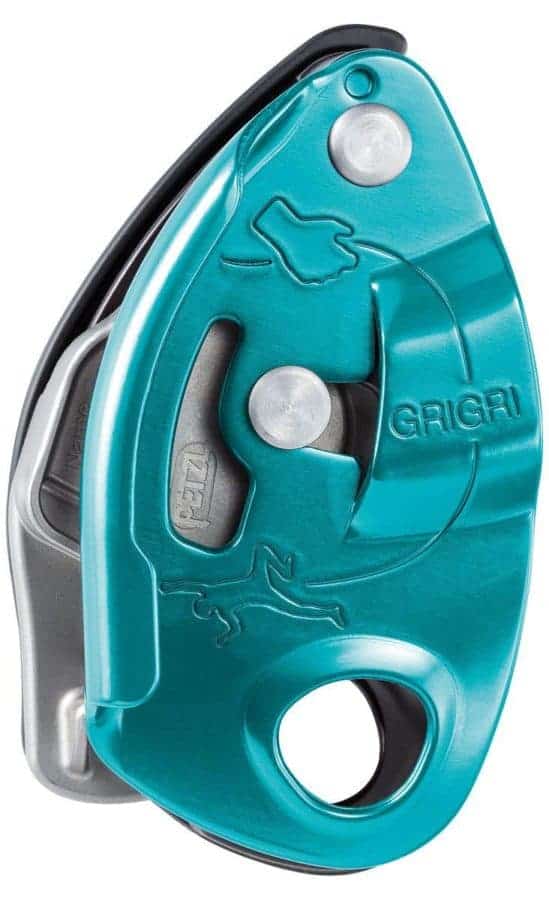
An assisted braking belay device is one of those upgrades you don’t want to go back on. You stop worrying about your belayer getting distracted or tired while you’re up on the wall, because the device adds a layer of assurance that it’ll help catch you if you fall.
The most common gripe about assisted braking devices like the beloved Grigri is the extra weight you carry. When you’re used to a lightweight ATC, switching to a Grigri feels like a lot if you’re counting every gram on your rack. But that extra 6.2 ounces is worth it.
A Grigri gives you assisted braking plus control of your rope speed on the way down, all while you keep a hand on the brake.
There are a few other assisted braking devices out there, each with its own features. If you’re wondering whether to make the jump, check out this article, and if you’re still learning the ropes, here are the best belay devices for beginner climbers.
One thing to keep in mind: a Grigri only works well if you keep it clean, so grit and old chalk don’t gum up the cam. Here’s how to clean your Grigri so it keeps catching the way it should.
I use a Grigri myself, and sometimes I swear my climbing friends invite me to the crag just so they can borrow it. So on top of peace of mind while I climb, I get invited out more and maybe even have more climbing friends because I own one. Perks you might pick up too if you add it to your bag.
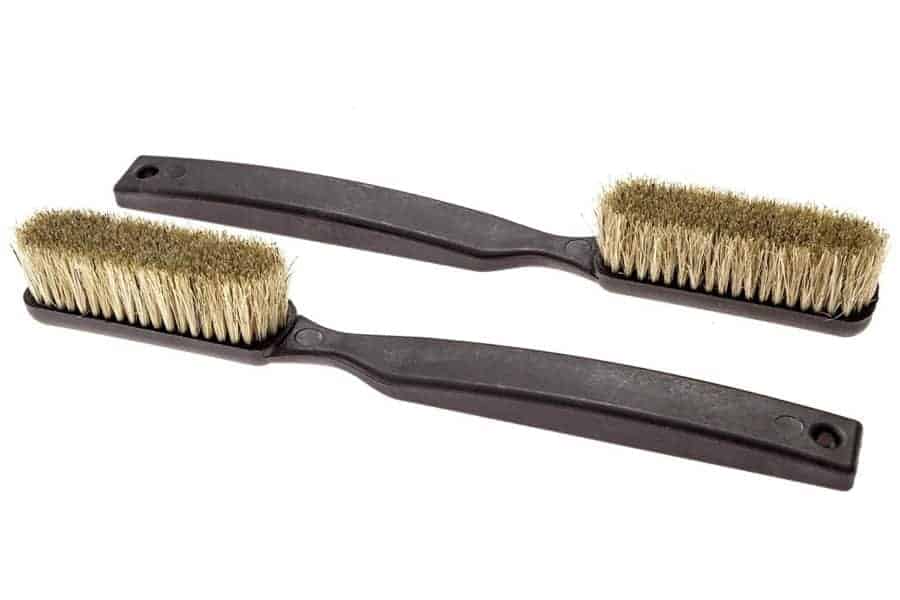
A brush is basically a big toothbrush for handholds. It’s a lifesaver when a hand hold or foot hold turns slick. You scrub the dirt, oil, or caked-on chalk off the hold so it’s easier to use. Some climbers just wipe a hold with a shirt or spare rag because they don’t want to carry a brush in their chalk bag. Trouble is, a rag or shirt doesn’t pull off the oil, chalk, and dirt the way a brush does.
You’ll see this at any climbing competition or with anyone who’s been climbing a while. They spend time brushing and cleaning the holds before they start, so the climb is easier to finish and the holds aren’t sending them off.
When you’re struggling to grip the rock, or you just want a bit of peace of mind, brushing the hold can be the thing that gets you to the top. And if you’re rethinking your chalk while you’re at it, here’s the best chalk for climbing.
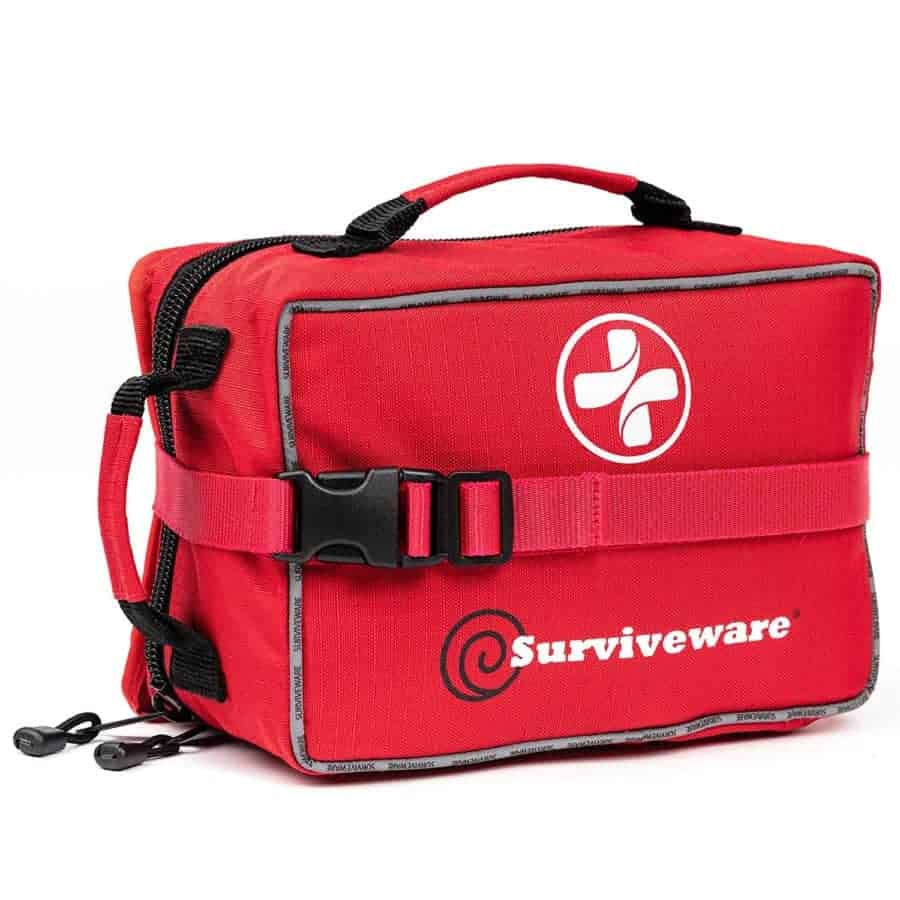
First Aid Kit: Weight Varies
See the price on Amazon here.
Climbing is a risky sport, and a first aid kit can make a real difference. Even when you’re nowhere near a life-threatening situation, climbing racks up scrapes and scratches. An anti-septic wipe with a bit of ointment and a bandaid keeps those from turning into infections.
A basic first aid kit with some climbing tape is probably all you need. As you get more experience, you may want to customize your kit to fit how and where you climb.
Of course, if you’re on a big trip that’s hundreds of miles from a hospital and a life flight would take hours to reach you, think about adding some more trauma related gear to your bag.
The weight of a first aid kit varies depending on what you bring. If you have heart problems and need to carry a defibrillator, for example, your kit will weigh more than someone’s who doesn’t. (I’m not a doctor and have no idea if you should be climbing with heart problems, so factor that in if you feel like you need to bring a defibrillator with you.)
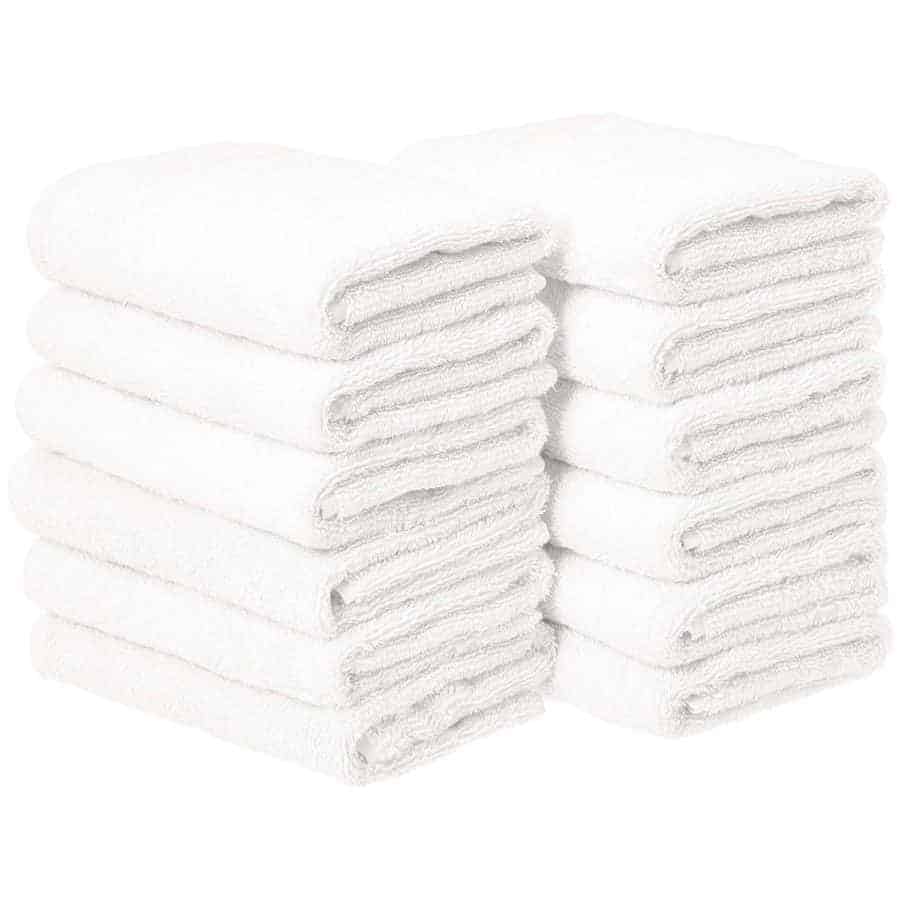
Hand Towel: 1.8 Ounces
See the pricing for these on Amazon here.
Whether you need to wipe the toes of your shoes off or you’ve got sweat running down your face and arms, a towel has a ton of uses. And if you’ve read Hitchhikers Guide to the Galaxy, you already know you can use it for warmth, protection from the sun, or even wave it in emergencies as a distress signal.
“You can wrap it around you for warmth as you bound across the cold moons of Jaglan Beta; you can lie on it on the brilliant marble-sanded beaches of Santraginus V, inhaling the heady sea vapours; you can sleep under it beneath the stars which shine so redly on the desert world of Kakrafoon; use it to sail a miniraft down the slow heavy River Moth; wet it for use in hand-to-hand combat; wrap it around your head to ward off noxious fumes or avoid the gaze of the Ravenous Bugblatter Beast of Traal (a mind-bogglingly stupid animal, it assumes that if you can’t see it, it can’t see you — daft as a brush, but very very ravenous); you can wave your towel in emergencies as a distress signal, and of course you can dry yourself off with it if it still seems to be clean enough.”
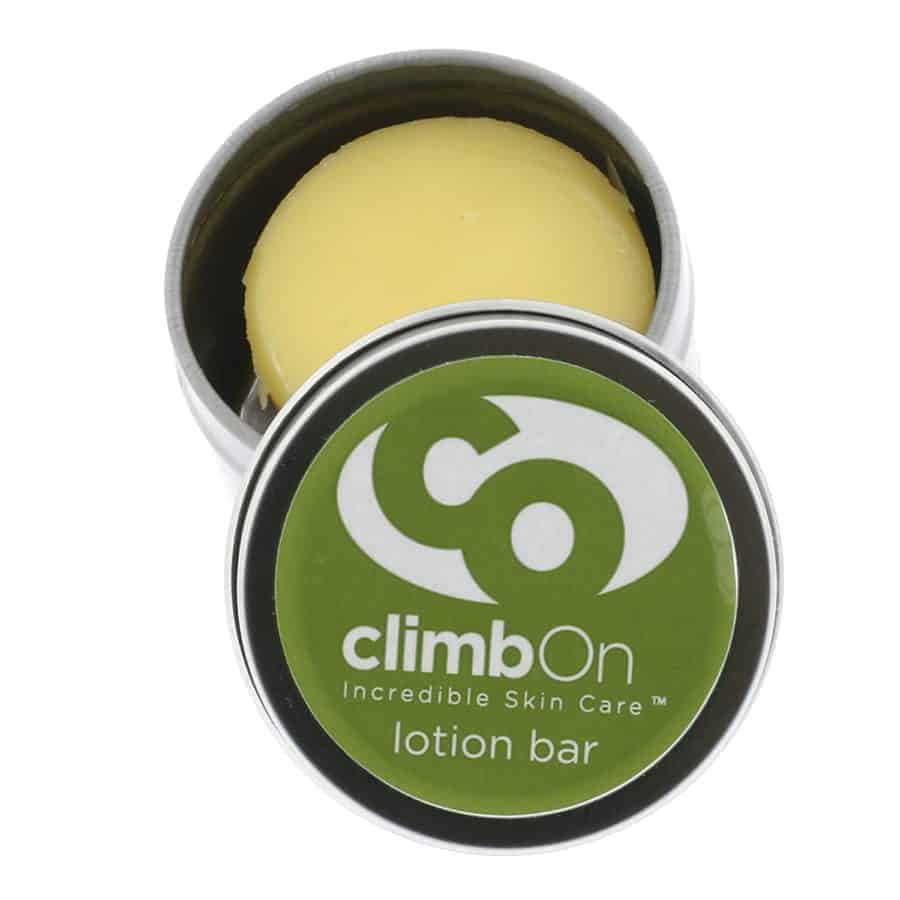
If you’ve ever wondered why some climbers get flappers and some don’t, it comes down to how they look after the skin on their hands. Flappers come from untamed callouses, and dry skin is a big reason callouses build up in the first place.
ClimbOn Salve is a climber’s best friend for their hands. When you think about what the holds do to your skin, a climbing salve is pretty much a must if you want to keep that skin healthy.
Once you’ve cleaned the chalk off your hands, salve should be the first thing you put on them. On top of cooling any soreness from climbing, it keeps your skin’s plasticity at a healthy level, which means your hands can take more of a beating.
The more your skin can handle, the more your hands can handle, which means more climbing you can handle. Skin, ropes, devices: the small stuff you look after tends to last, so it’s worth knowing how to care for your climbing rope too.
Want to climb stronger between trips without adding a single ounce to your pack? Join the free Send Edition newsletter and get one short climbing drill a week, about 15 minutes each, straight to your inbox.
Conclusion
There’s a lot of gear climbers haul around, and when you’re packing for a trip, prioritizing weight matters. A Grigri, a climbing brush, a first aid kit, a hand towel, and ClimbOn Salve all earn the extra ounces. If you want a full list of what to bring on your climbing trip, check out 37 Things Serious Climbers Bring With Them To The Mountains.
Frequently asked questions
Is a Grigri really worth the extra weight over an ATC?
For most climbers, yes. It’s about 6.2 ounces, and in return you get assisted braking and smoother control of rope speed while lowering, with your hand still on the brake. If you’re on the fence, read the best belay devices for beginner climbers and decide what fits how you climb.
How heavy is this gear all together?
The three fixed-weight items come out light: a Grigri at 6.2 ounces, a hand towel at 1.8 ounces, and ClimbOn Salve at 1.12 ounces. A brush and a first aid kit vary depending on the size you carry, but you can keep both small. Even loaded up, this is gear that’s worth the weight when you’re rock climbing.
Do I really need a brush if I already carry a rag?
A rag wipes a hold, but it doesn’t pull the oil, dirt, and old chalk off the way a brush does. Watch anyone experienced clean a hold before a hard move and you’ll see why the brush earns its spot in the bag.
What else should I pack for a longer climbing trip?
Beyond these five, it depends on the style of climbing. If you’re bouldering, start with your first bouldering pad, and for everything else there’s the full rundown in 37 Things Serious Climbers Bring With Them To The Mountains.